
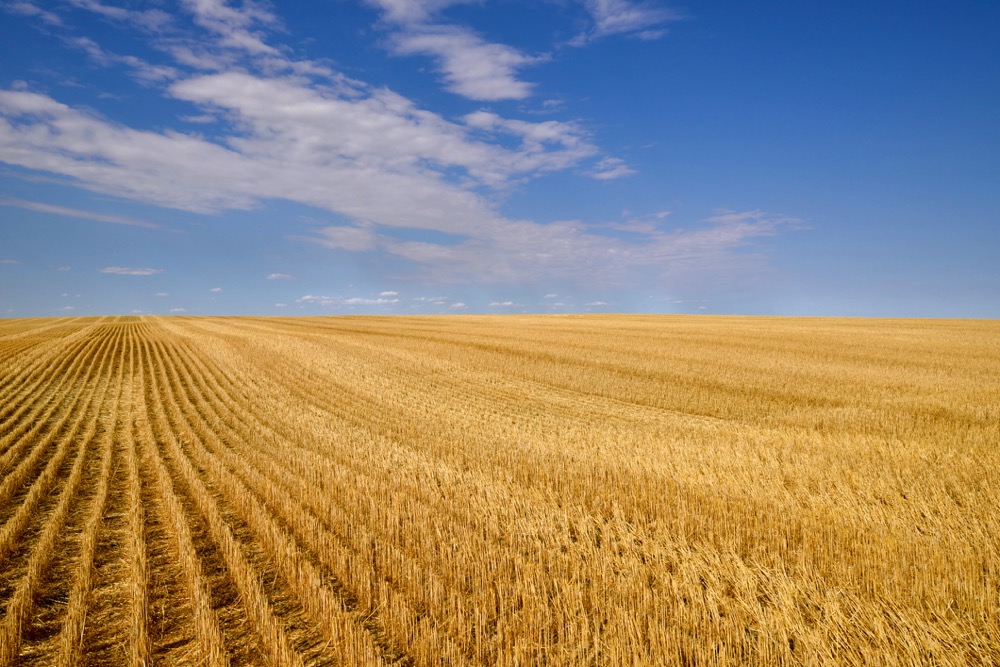
If you’re turning cows out in stubble fields or allowing them to graze slough hay or mature hay along fences and headlands, there are nutritional factors to consider, says a provincial forage specialist.
Straw, chaff and overmature grass hays are typically low in protein, energy, calcium and magnesium, but relatively high in phosphorus, said Barry Yaremcio. These feeds are also high in neutral detergent fibre, which can reduce total feed intake, and relatively high in phosphorus. Grains and weed seeds are also high in phosphorus and have higher energy and protein content than the grasses, straw and chaff.
Read Also
Canada’s $5B forage crop needs a closer look
Forage production is a valuable contributor to the ag economy, ranking as Canada’s third most important crop behind wheat and canola.
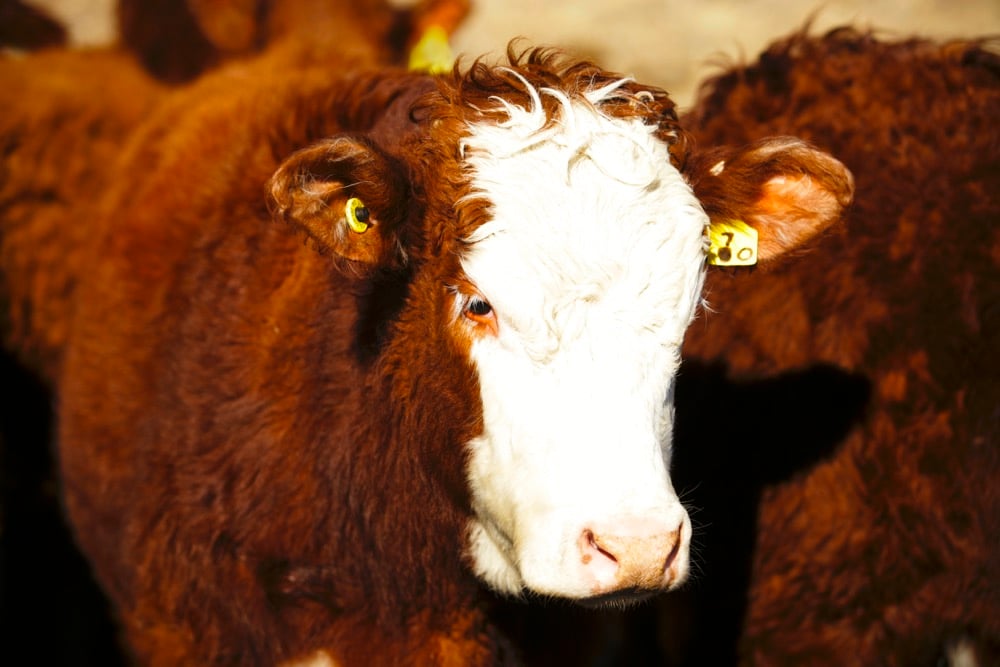
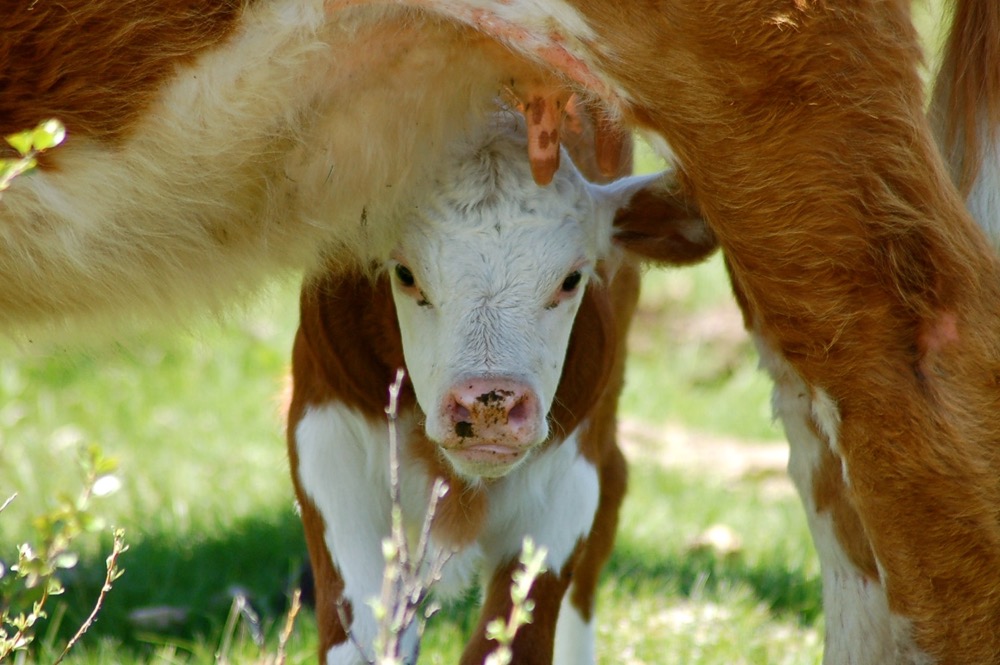
Cow-calf pairs turned onto stubble fields have different mineral supplementation needs than when on pasture. The lack of calcium and magnesium in straw and forages can cause two problems.
“A diet that is low in calcium and higher in phosphorus can reduce phosphorus absorption,” said Yaremcio. “Phosphorus is the driver of all metabolic functions. When it is not absorbed, feed intake is reduced. That in turn reduces milk production and weight gain on the calves. Cows can also start to lose weight.
“A calcium or magnesium deficiency can cause cows to go down. Winter tetany and milk fever can also occur. It generally requires a veterinarian to treat animals in this situation.”