

A trademark that Swiss commodity firm Glencore picked up when it bought its way into Prairie agriculture is about to become the global brand for its agribusiness offspring.
David Mattiske, CEO of Glencore Agriculture, announced in a statement Wednesday the company will rebrand the business to Viterra in “late 2020.”
The Viterra brand dates back to 2007, when Regina-based grain firm Saskatchewan Wheat Pool merged with its Winnipeg rival Agricore United under the new name. Viterra then expanded that brand into Australia in 2009 when it took over ABB Grain.
Read Also
AAFC projects tighter canola stocks for 2026-27
Canadian canola carryout supplies at the end of the upcoming 2026-27 marketing year will be tighter than earlier projections, according to updated supply and demand estimates from Agriculture and Agri-Food Canada, released April 17.
“Viterra is a globally recognized brand within the business. It also has a deep connection to agriculture, with Viterra meaning vitality from the earth,” Mattiske said Wednesday. “This is an opportunity to unite our business under one brand with a shared purpose and identity.”
Glencore started as a metals and minerals firm under the name Marc Rich and Co. and got into agriculture with the purchase of Dutch grain trader Granaria in 1981. The firm rebranded as Glencore in 1993 and its Glencore Agriculture arm bought Viterra in 2012.
In debt-reduction mode by 2016, Glencore that year sold stakes of 40 and 9.9 per cent of Glencore Agriculture, to Canadian public-sector investment firms CPP Investments and British Columbia Investment Management Corp. (BCI) respectively.
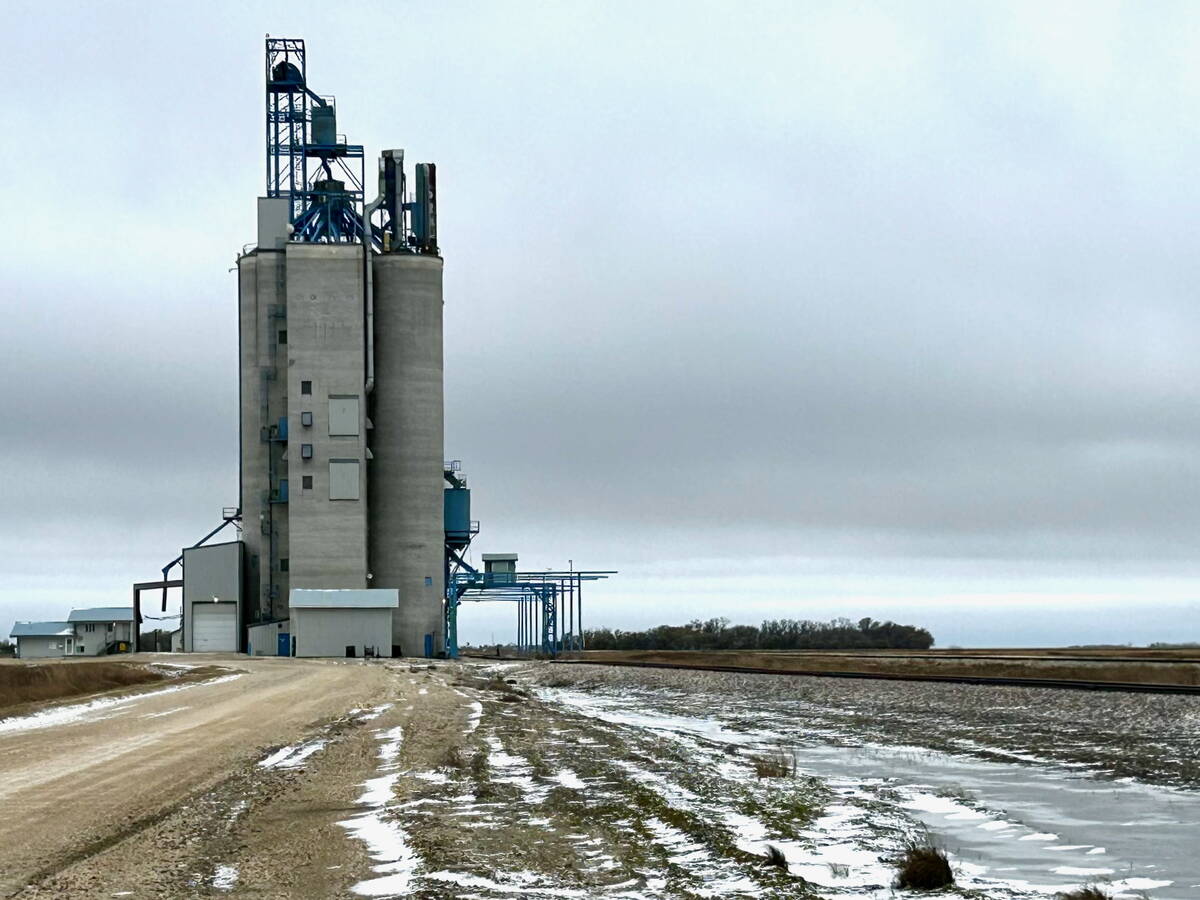
Glencore Agriculture — in which Glencore has held its stake since it spun off the ag business later in 2016 — today deals in grains, oilseeds, pulses, rice, cotton and sugar through 24 port terminals, 180-plus elevators and handling facilities and over 30 processing plants, across 35 countries.
Mattiske said Wednesday the company is “planning for a smooth transition to the new brand over the coming months, while for employees and customers it’s business as usual.” — Glacier FarmMedia Network