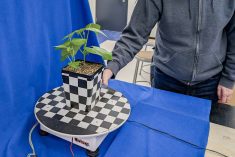

University of Calgary’s agricultural science team has discovered several new approaches to create shatter-tolerant canola crops.
The research, published in the peer-reviewed journal Proceedings of the National Academy of Sciences, could help farmers save both time and money.
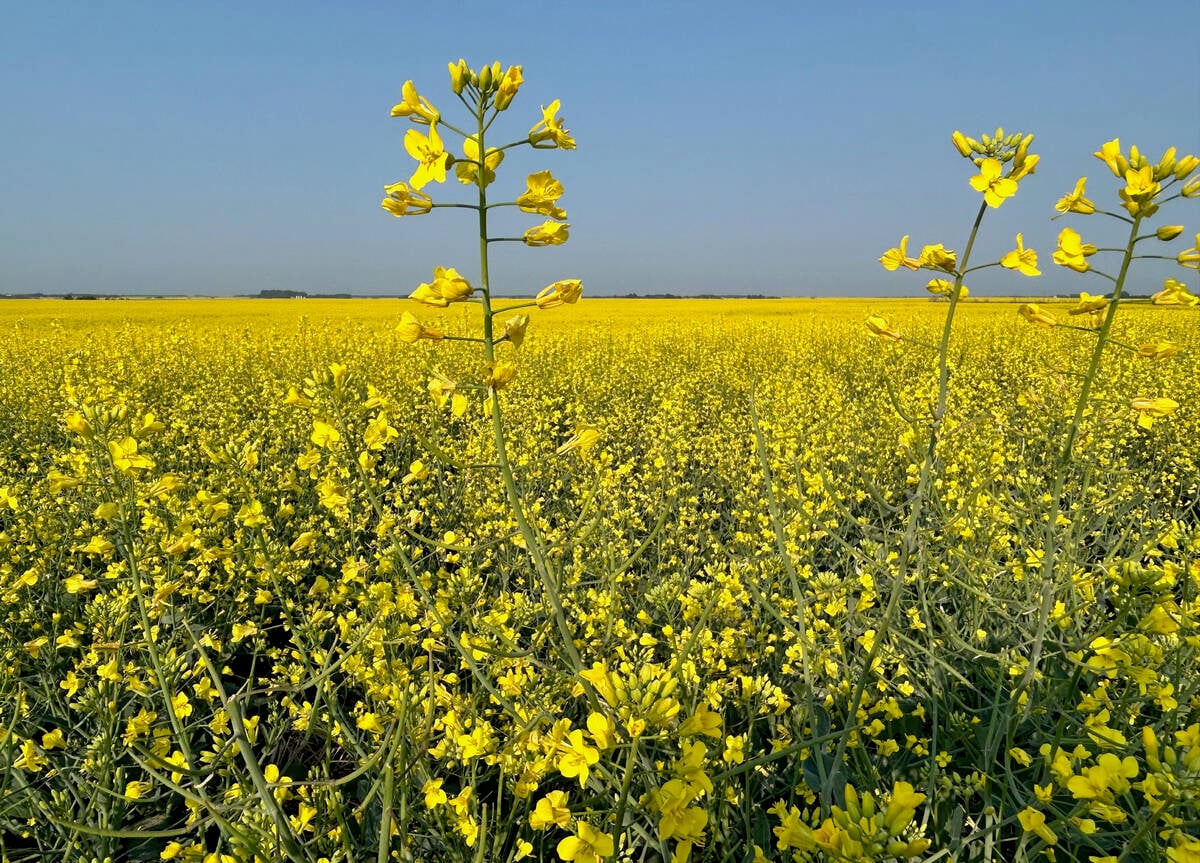
“One of the cash crops in Canada is canola. It is a pride of Canada, and the annual input to the economy is about $44 billion. One of the things farmers struggle with is pod shattering,” said Dr. Marcus Samuel, a professor in the Department of Biological Sciences at U of C in a press release.
Read Also
Liver abscesses in cattle cost producers millions each year
Research points to rising costs as cattle spend more days on feed.
WHY IT MATTERS: Pod shattering leads to billions of dollars in loss to cash crop canola.
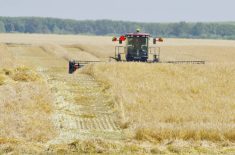
Farmers want the plant to be dry when they go to harvest the seeds at the end of the growing season. The seeds are inside a little pod that can shatter during the cutting process.
The paper notes pod shattering can lead to an average seed loss of three per cent, which equates to a $1.3 billion loss to the economy. That number can jump as high as 50 per cent under harsh weather conditions.
The U of C team developed a new technology to achieve shatter tolerance as part of their research, after finding a protein that strengthens the pod the right amount. Shatter-tolerant canola varieties are available, but high seed prices affect input costs for farmers.
Two former PhD students who co-authored the paper now run a company called AgGene, which is a plant biotechnology startup.
“Certainly with our company, we are working on traits like pod shattering — and hopefully we can bring this to a farmer’s field one day,” said Dr. Logan Skori, CEO of AgGene.
U of C strives as a startup creator, building 90-plus companies in the last five years. It is more than any other Canadian university.
The university is also a national leader in key areas of agricultural science research, including plant genomics to increase crop yield and drought tolerance for canola, peas, wheat and other crops.