
Canada remains the largest exporter of pulses in the world, to more than 120 countries, and yet consumption of pulses continues to lag domestically with many reasons being the driving factor.
A pulse consumption per capita study from 2021, found Canada ranked 47th out of 144 countries, at 3,381 kilograms per capita, an alarming 30 per cent drop from the previous year. It’s been a continuous decline since it reached an all-time high in 2017 of 11,030 kg.
WHY IT MATTERS: Increasing domestic consumption of pulses at home in Canada helps with exporting pressures abroad when trade barriers pop up on the international stage.
Read Also
Copper deficiency could be costing you 50 per cent of your yield
Copper deficiency can slash crop yields by 50 per cent and is often mistaken for herbicide injury — an agronomy expert explains what growers need to know.
Pulses are found to be more highly consumed in developing countries than in industrialized ones, accounting for 75 per cent of the average diet.
Looking to reverse these trends in domestic consumption, Pulse Canada had its 25 by 2025 strategic initiative to diversify the industry by directing 25 per cent of pulse production to new markets and end-use categories to encourage consumption abroad and domestically. Also, the Road to $25 Billion campaign by Protein Industry Canada looks to bolster ingredient manufacturing and food processing at home to make domestic consumption easier.
Reasons for not consuming pulses identified in both North American and European studies include:
- dislike of taste and/or texture,
- low knowledge of health value
- lack of knowledge around cooking method
- negative perceptions of time and effort in preparing and cooking
- potential for gastronomical issues
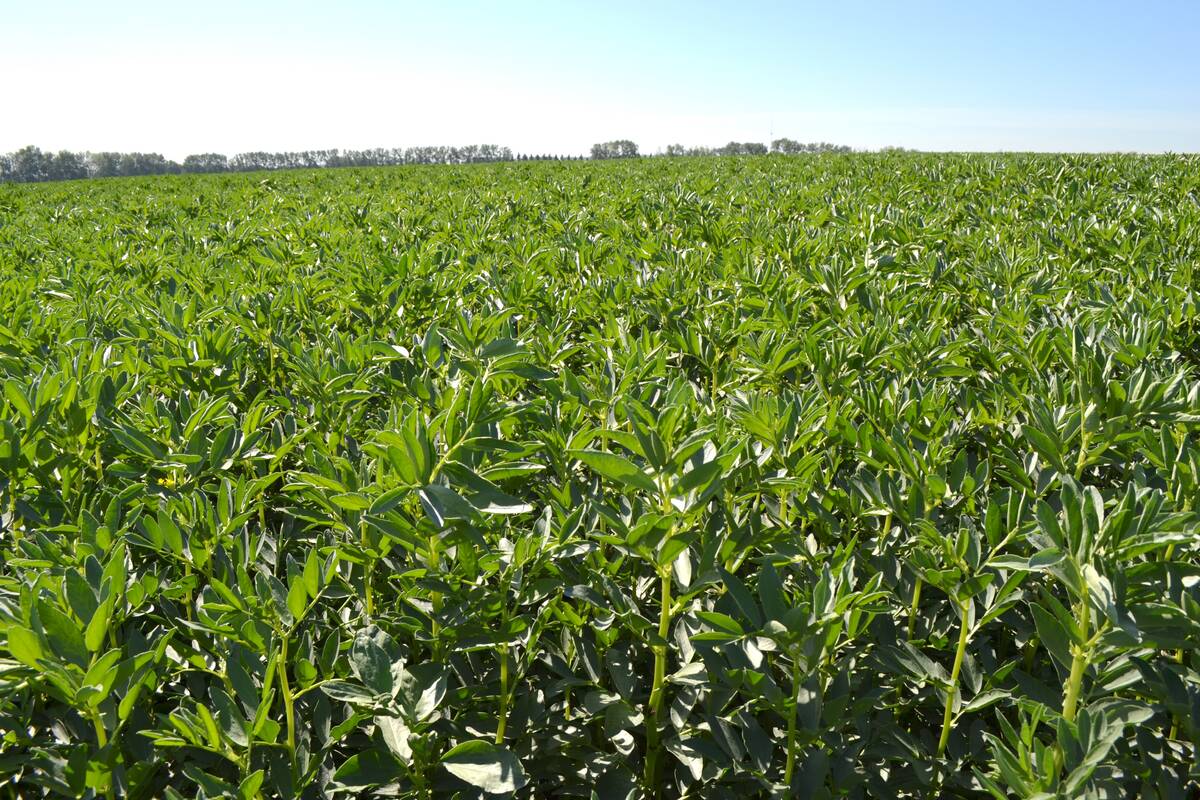
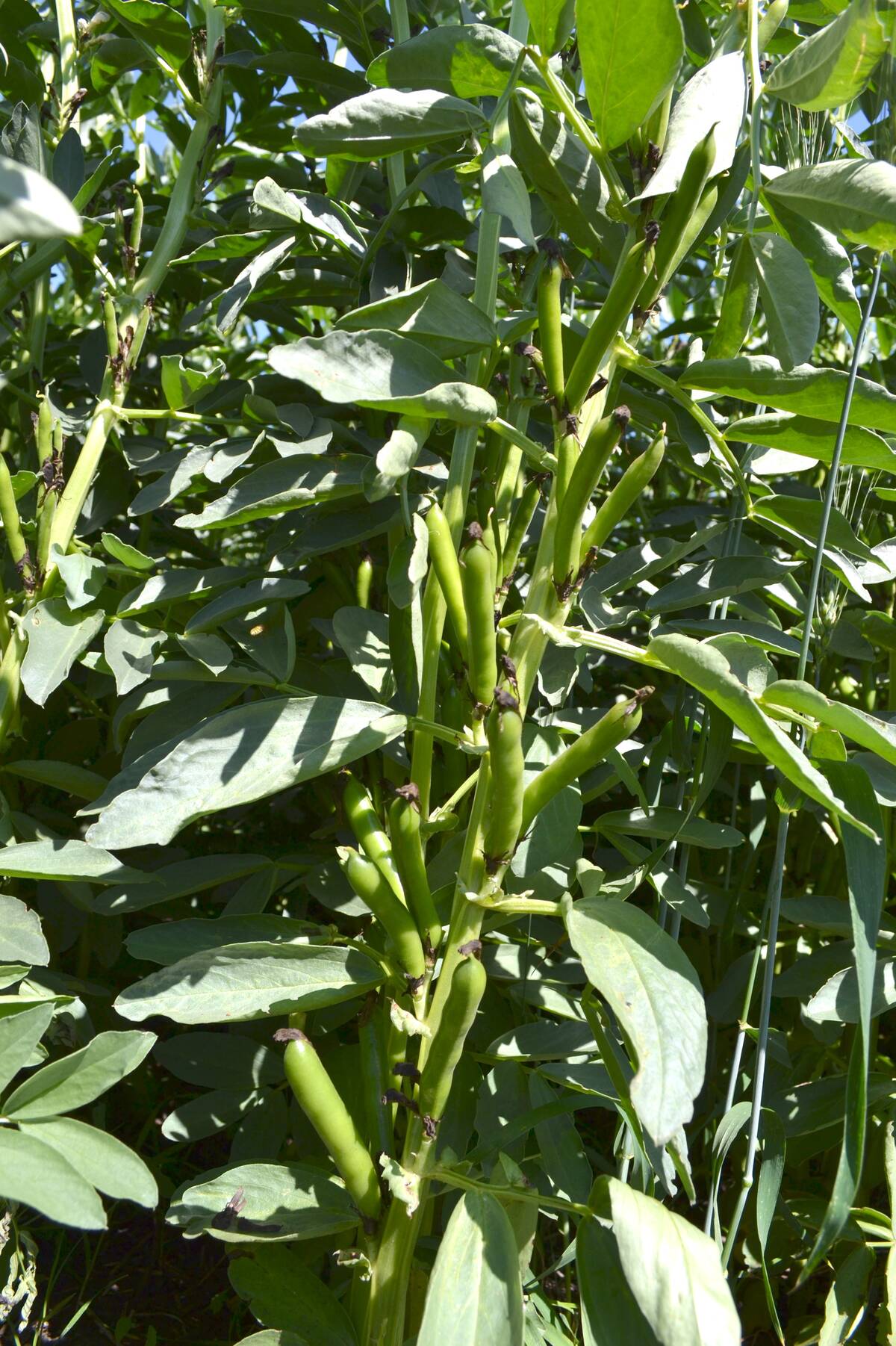
Pulse Canada did a deep dive into the production volumes of each pulse and have found dry beans, faba beans and chickpeas as the largest growth potential for domestic consumption. Direct-to-consumer promotions such as its Love Canadian Beans social media push have showcased its affordability in food security and their ability to be consumed in a variety of ways in meal and recipe types.
“To complement that, we recognize consumers do need to have an almost direct experience with food to encourage them to consume and make new dishes at home,” says Julianne Curran, vice president of Market Innovation for Pulse Canada.
“We’re leaning into opportunities with food-service operators here in Canada, where consumers may have an opportunity to try something when they’re dining out,” says Curran. “After a positive experience, then they would be more encouraged to perhaps buy a can of beans and make something at home. We do have a lot of natural interest from food service operators here in Canada, that are also looking at increasing their plant-based offerings (on their menu), recognizing affordability being a real big concern amongst their clients.”
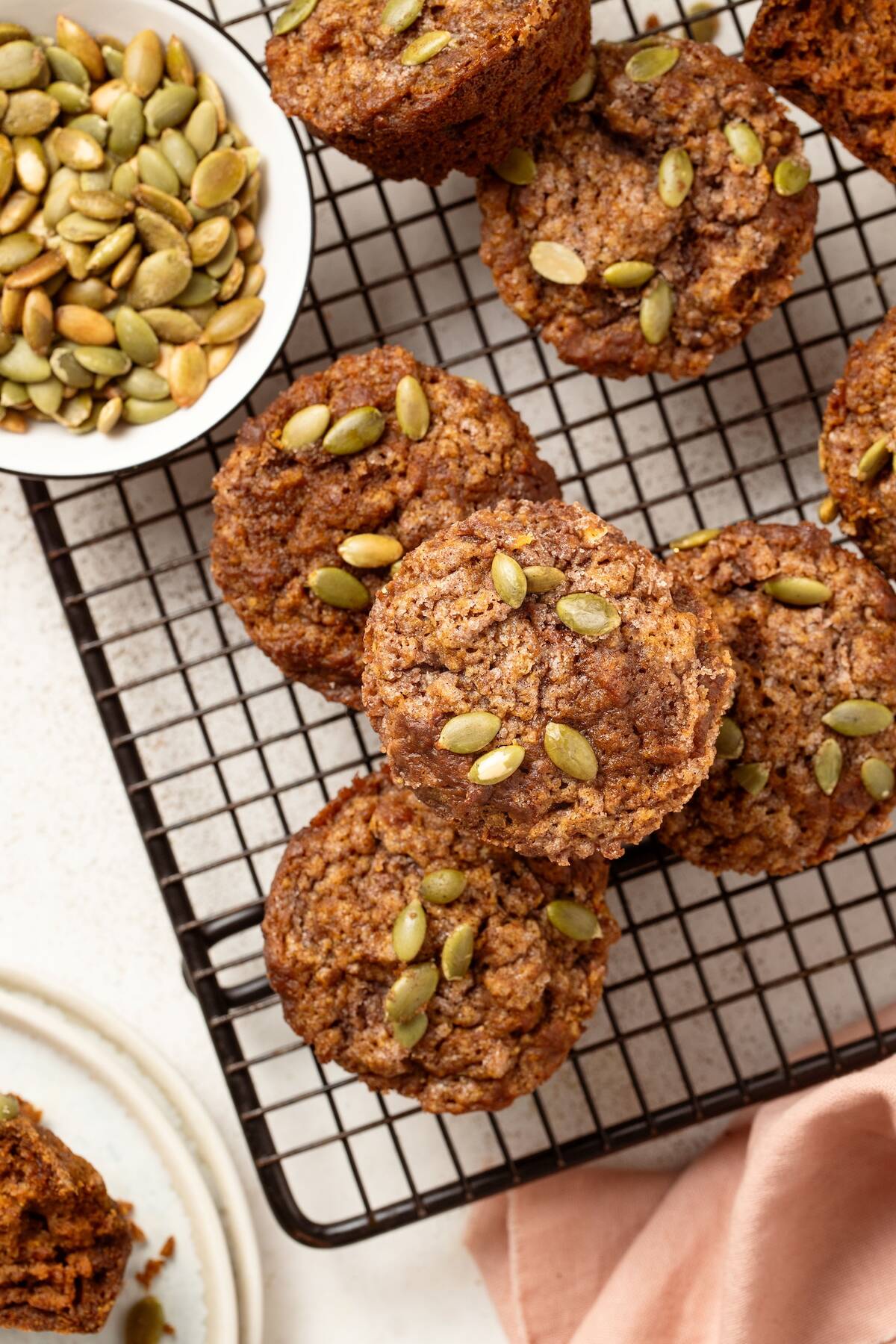
The Canadian pulse industry is also making its way into educational institutions to sing the praises of pulses to Gen Z, where university and public-school aged students are putting a higher priority on plant-forward dishes along with the general public.
Alberta Pulse Growers unveiled this academic year, a partnership with School Sports Alberta in promoting its Pulse to Plate campaign in its over 400 schools, including easy-to-make delicious recipes for families on the go.
“The other thing we’ve been doing more of is leveraging some of the marketing messages that you can be highlighting about being nutritional benefits and continuing to educate the companies that are manufacturing bean products for retail sales, so that they can use a lot of that messaging on their labels and in their marketing as well,” says Curran, adding in higher fibre and protein intakes in a food security affordable way.
“There are various nutrition claims that you can make around beans. We’re wanting to ensure that companies know all the things they can say.”
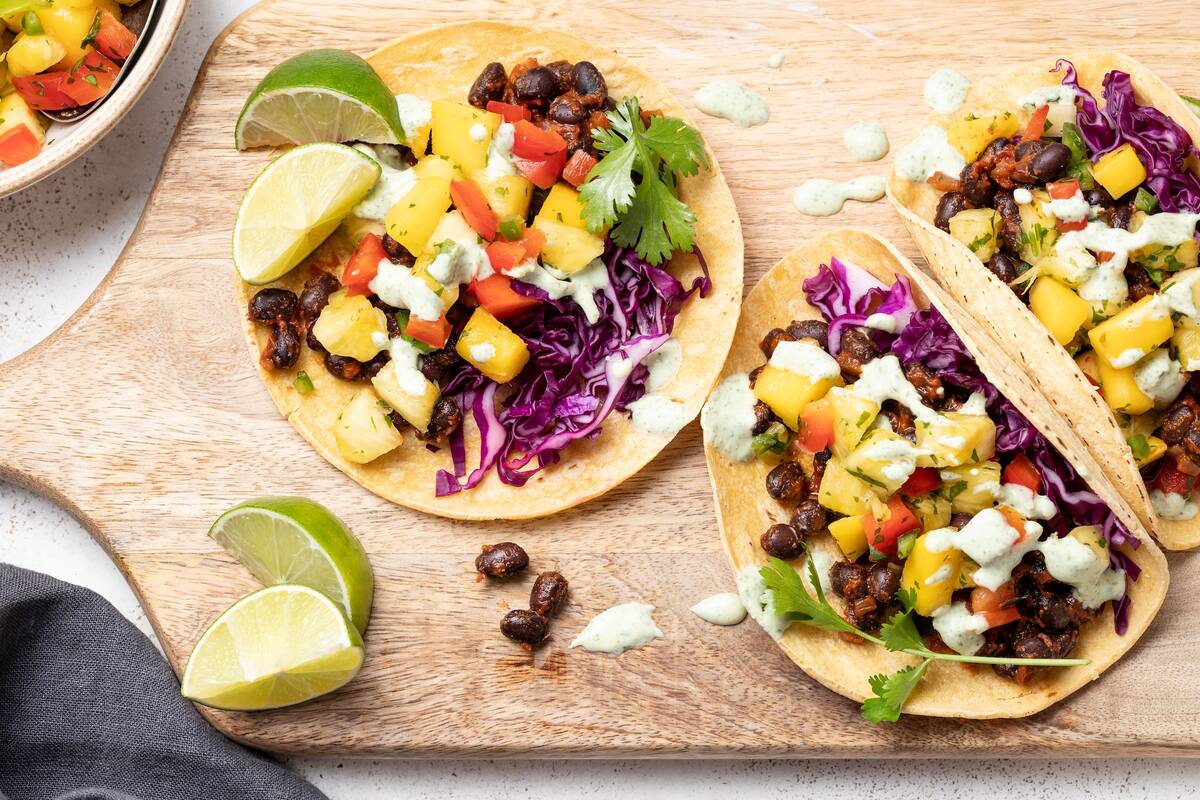
For the food-manufacturing industry, Pulse Canada is promoting the increase of the domestic utilization of faba beans and chickpeas. Given the quality of the crop grown in Canada, it lends itself to value-added processing.
“Faba beans in particular do lend themselves really well to the same type of processing as we’re seeing for dry peas,” says Curran.
“So that’s fractionation processing, flour processing. We’re trying to promote to the food-manufacturing industry here in North America the value in terms of added nutrition and functionality that those ingredients can provide to food products.”
There has been some successful use of fava beans in animal feed, with markets also available in pet food as an end-use product.
Demand for chickpeas has traditionally been for humus, but the versatile pulse can be ground into a gluten-free flour, rich in protein and fibre, for baking, thickening or binding, or used as an egg substitute in vegan recipes.
“It’s got high uptake by consumers, and so we are working to promote chickpeas for those value-added processing streams that are really seeing growth here in North America. We’re doing that through a lot of projects to demonstrate the performance of Canadian chickpeas into some of those newer applications and market that to the food industry,” says Curran.