

There is one export Canadian agricultural producers do not want from their U.S. brethren, and that’s the Macrosteles quadrilineatus (aster leafhopper) for its canola.
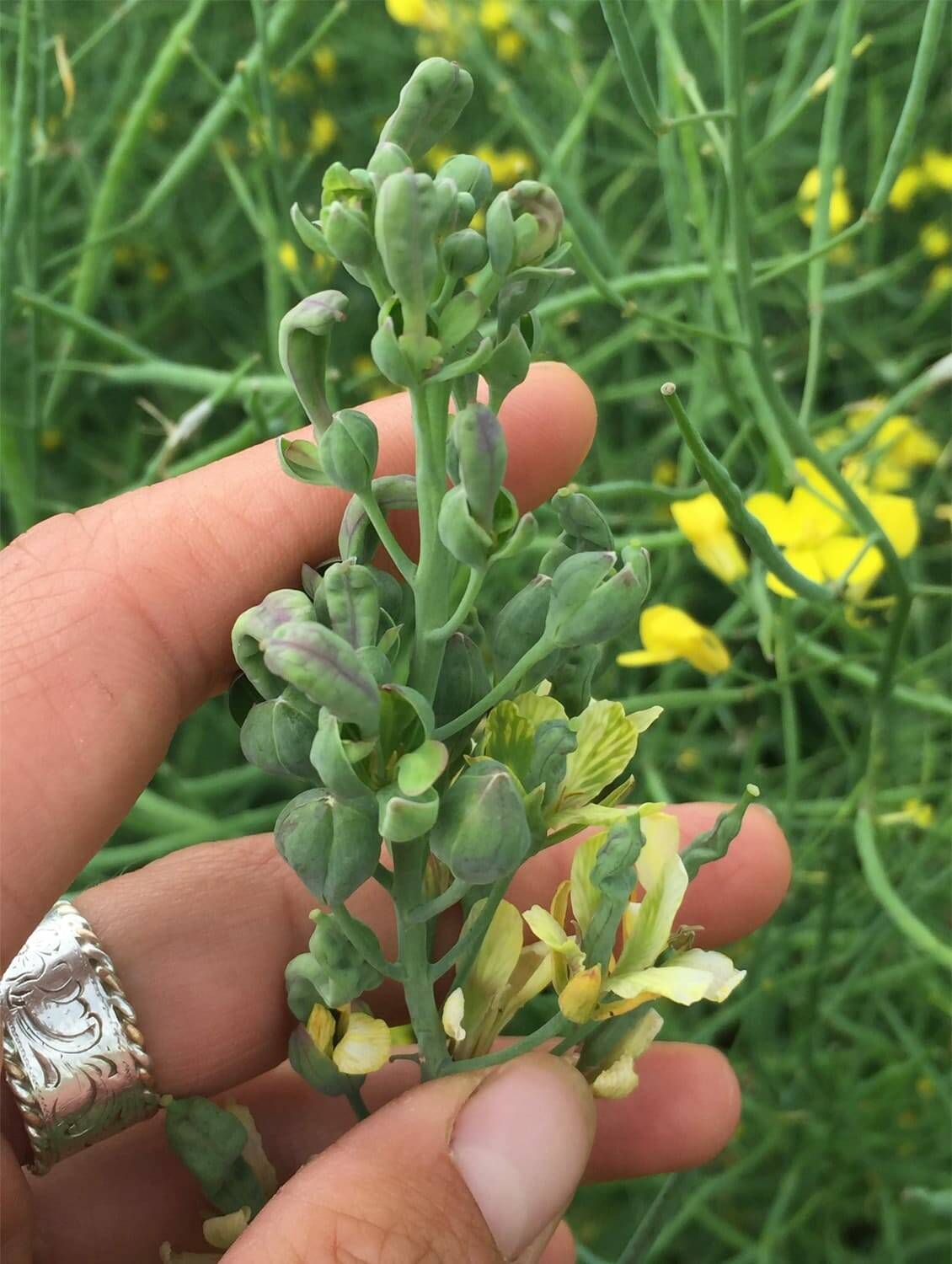
Macrosteles quadrilineatus injects a phytoplasma into the plant that affects its hormones; where you get green things where you should have yellow things in canola and you get leaves instead of seeds.
The leafhoppers spread aster yellows that affect over 300 plants including crops like canola, wheat and carrots as a generalist pest. Testing for leafhopper aster yellows infection using laboratory and field-adaptable DNA extraction has improved by leaps and bounds. Confirmation comes within a half-an-hour compared to a week previously.
Read Also
From soil to stall: the digital platform closing the data gap in methane reduction
Maxime Leduc’s ‘My Forage System’ helps livestock producers boost profitability and slash emissions by finally connecting field data to animal performance.
WHY IT MATTERS: The speed at which Western Canadian pests can be identified and the conditions and best practices used in combating them are crucial in saving yields in various crops including canola.
“Where do the leafhoppers come from, and when they come in, how infected are they? This is the key to the outbreaks,” said Dr. Tyler Wist, a research scientist in field crop entomology during his Pest-Side Story presentation at the 2026 Irrigated Crop Production Update in Lethbridge, Alta.
“There are a few different hypotheses going around. One, they come all the way up from Texas. Two, they come up and they hang around in Nebraska, Kansas, and then they come up. Some years they don’t even get all the way to Canada on this northward (wind) migration.”
Aster yellows affect on canola yields seem to be linked to water/moisture levels according to some of Wist’s and his colleagues research. Wist showed graphs of big outbreaks in May 2012 and May 2023, with a wide variance of moisture levels at the time. The much drier season in 2023 resulted in less damage overall, backed by an 2015 Elliott/Olivier study of leafhopper feeding density with corresponding canola seed yield in dry and wet conditions.
“It was really hot and dry in 2023. The canola wasn’t as trashed as I expected. I was catching leafhoppers that were infected over 61 per cent of the population, which is completely unheard of for aster yellows hoppers coming up here,” said Wist.
A working hypothesis is with canola seed treated with insecticide, it kills the leaf hopper alongside the flea beetle. Under dry soil conditions, most of the leafhoppers died with 24 hours and did not affect the plants.
Under the wet soil conditions, only about half of the leafhoppers died with the rest remaining to hang around and feed on the plant.
Most conditions cut down on the impact of the insecticides by taking a lot out of the root zone, where the plant does not pick it up, allowing the leafhopper to survive longer as a vector and increasing the chance of aster yellows infestation.
“Aster yellows went down under these dry soil conditions in 2023. Things that didn’t have a seed treatment, like carrots, peas, sunflowers and the whole cut flower industry in northern Alberta were just absolutely hammered by aster yellows,” said Wist.