
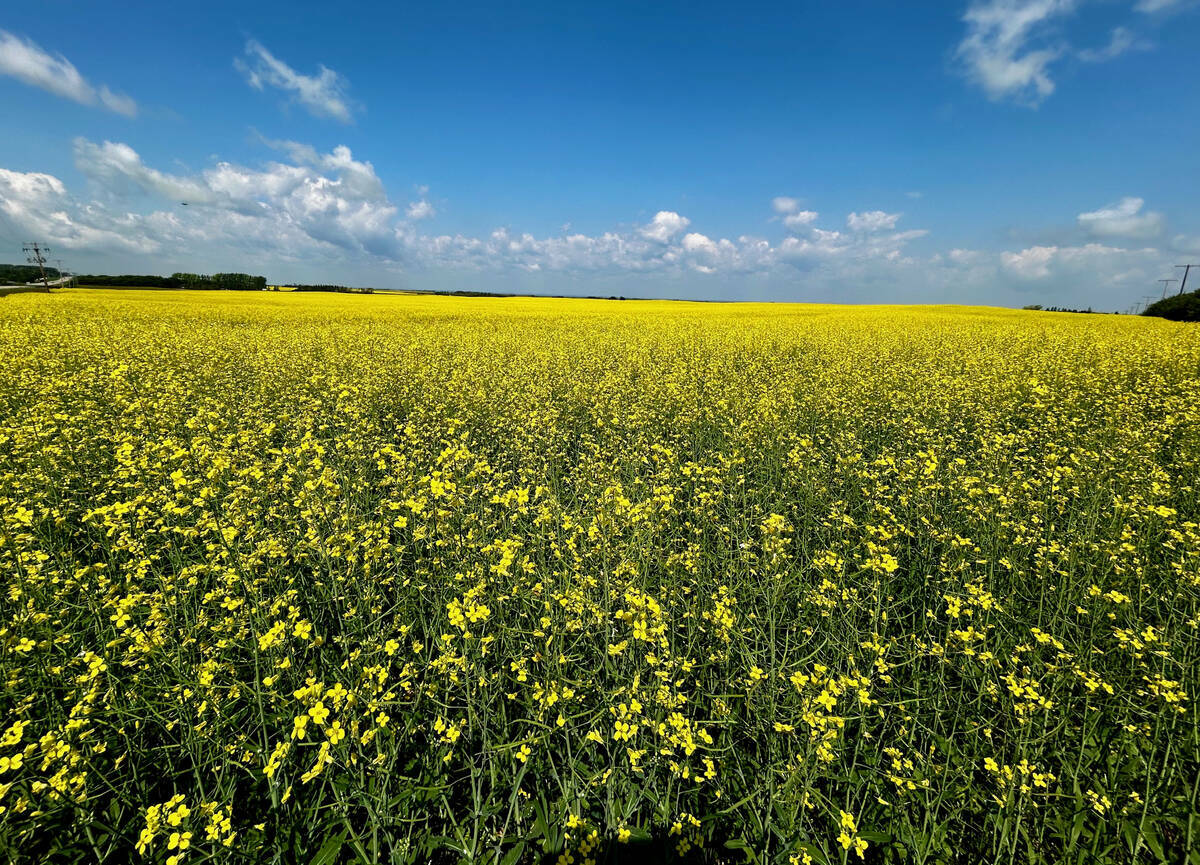
Glacier FarmMedia — The U.S. Department of the Treasury and the Internal Revenue Service has finally issued proposed regulations for the 45Z Clean Fuel Production Credit, and it contains good news for Canada’s canola producers.
The credit has been available since January 2025, but producers and farmers have struggled to capitalize on it because there was minimal guidance to accompany the credit.
WHY IT MATTERS: The U.S. biofuel sector is a potentially huge market for Canadian canola oil.
Read Also
EU crop monitor sees lower soft wheat and rapeseed yields in 2026
Crop monitoring service MARS said on Monday it expects the European Union’s average soft wheat yield to reach 5.98 tonnes per hectare this year, five per cent lower than in 2025.
The newly published guidance helps biofuel producers determine their eligibility for and to calculate the credit made available under the One, Big, Beautiful Bill.
The big news for Canada’s canola producers is that the credit limits feedstocks to those grown or produced in the United States, Mexico and Canada.
That is something that Canada’s canola industry had been hoping for.
The credit has also been extended to Dec. 31, 2029.
Clean Fuels America welcomed the proposed 45Z rules.
“The agency responded to many taxpayer concerns and resolved some uncertainties from the guidance issued a year ago. We anticipate this proposal will provide additional market certainty for biodiesel and renewable diesel producers,” Kurt Kovarik, Clean Fuels’ vice-president of federal affairs, said in a press release.
“The delay in rule-making led to market uncertainty that took a heavy toll on our industry, undercutting fuel production and the value added to agriculture.”