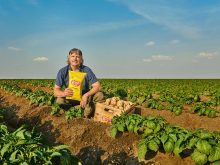

Chris Perry has shown that a small southern Albertan farmer can make a world of difference.
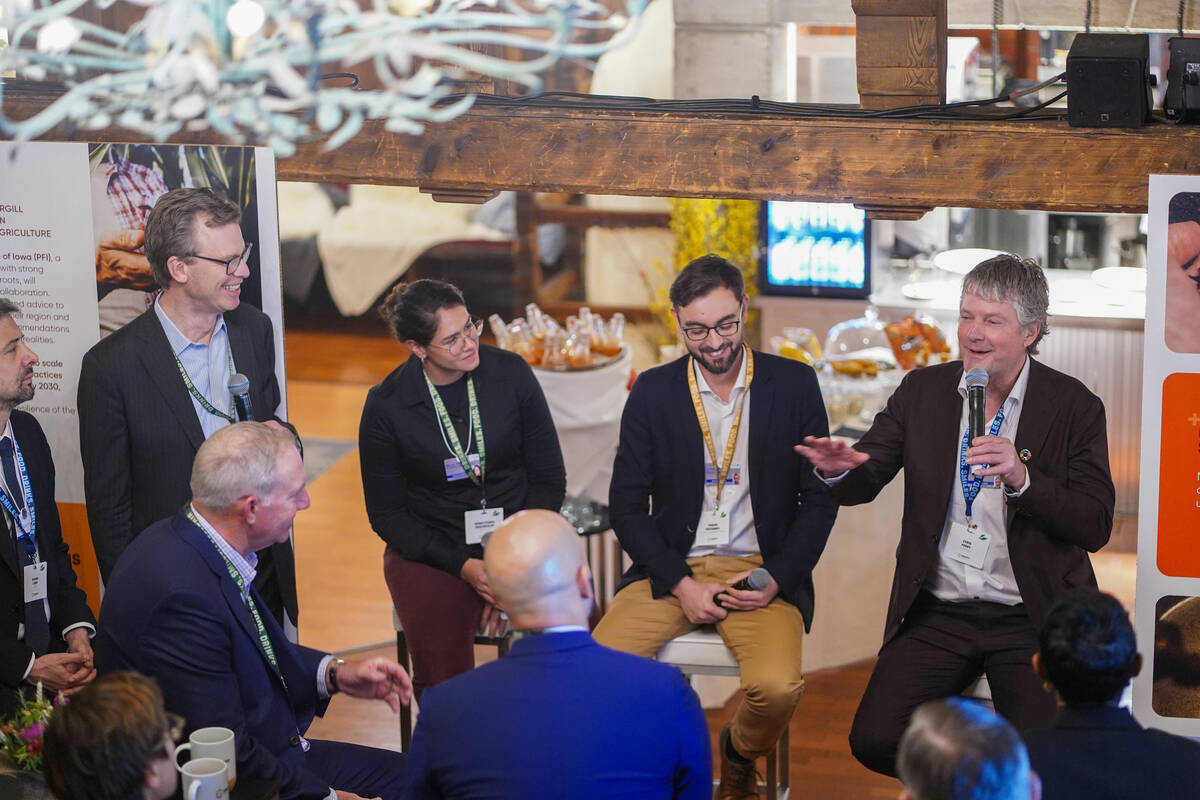
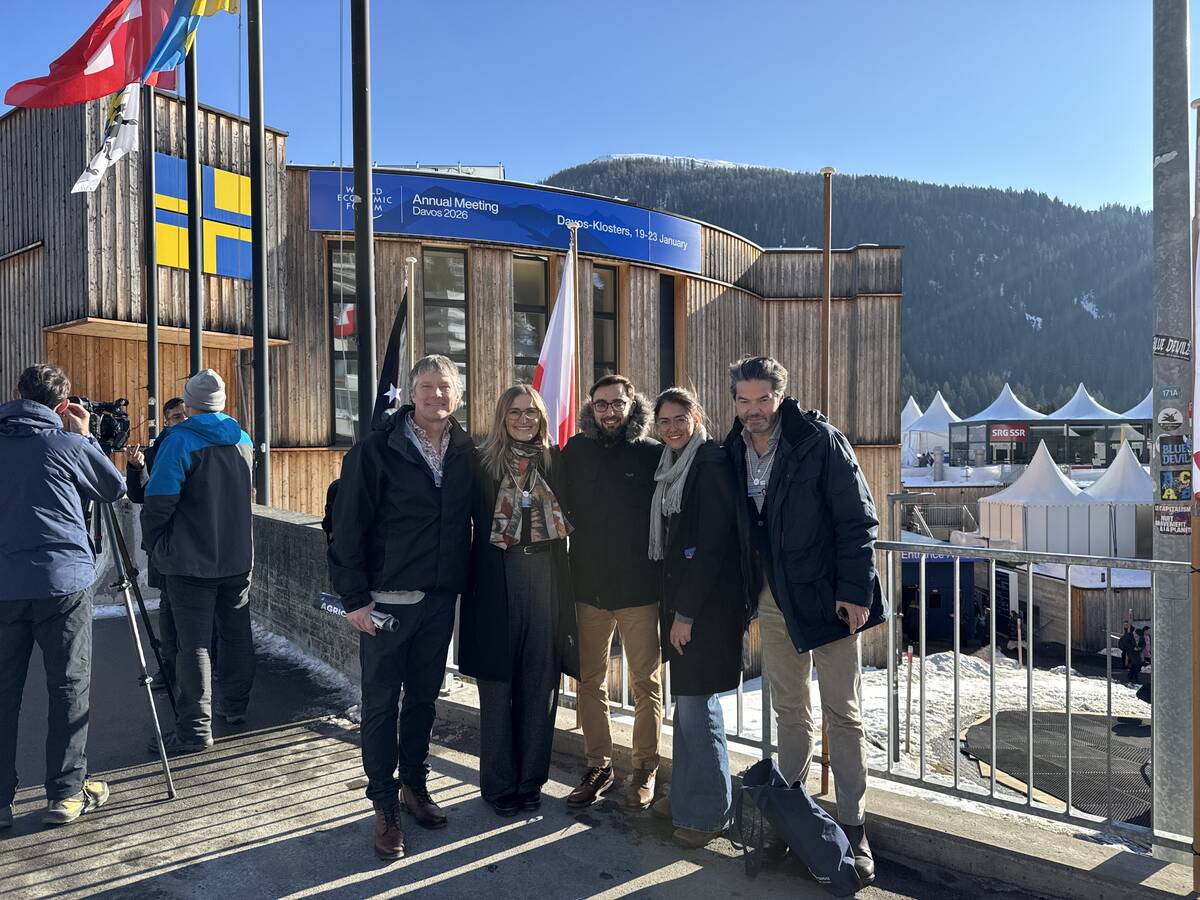
Coming off the heels of being PepsiCo Foods’ Global Farmer of the Year and its first-ever North America Potato Supplier of the Year award winner for the 2024 crop, recently spoke at the World Economic Forum in Davos, Switzerland, where he presented as part of a panel.
WHY IT MATTERS: Having a voice for front-line farmers among 130-plus countries helped recognize the overall value in the food chain in production.
Read Also
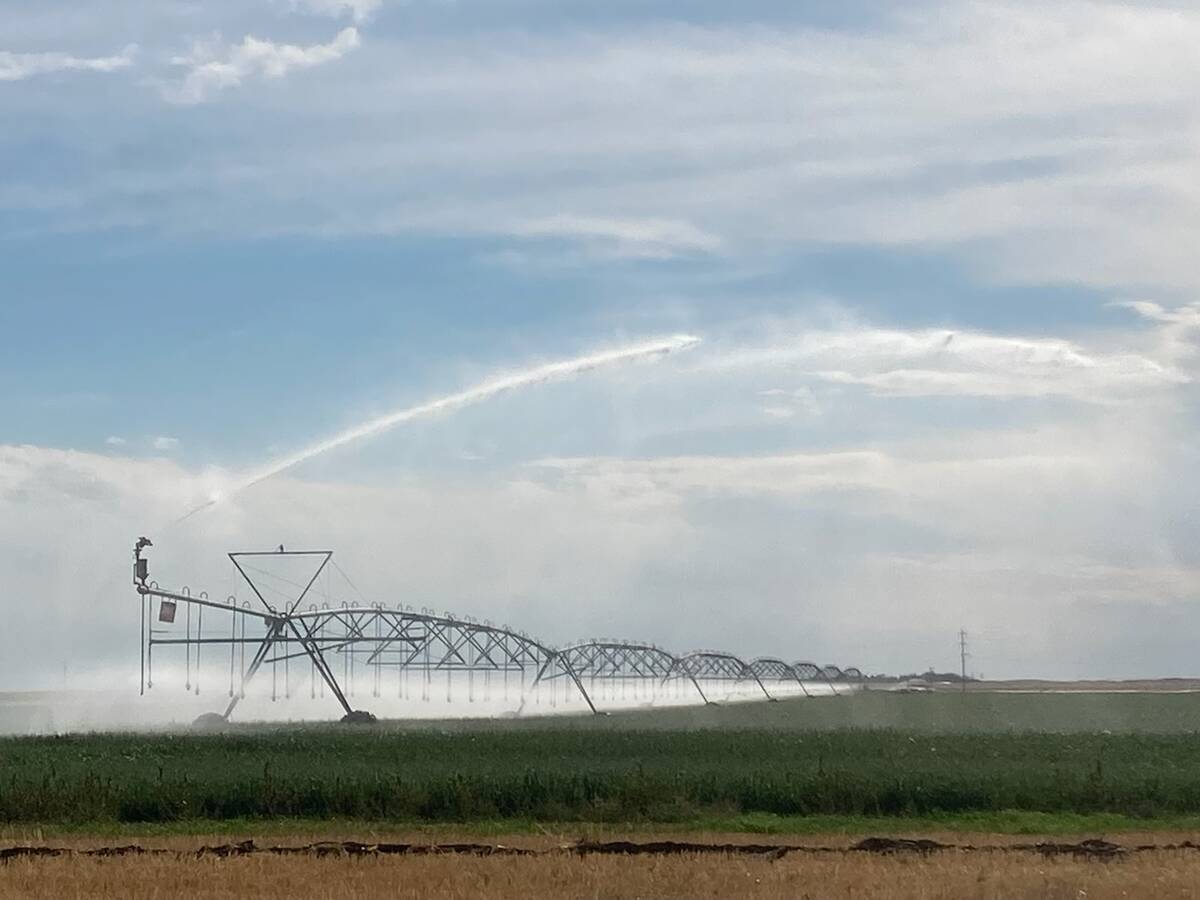
Southern Alberta irrigation district sets healthy 2026 water allocation
Southern Alberta farmers get good news in their water allotment for the 2026 growing season, which has nearly doubled in two years emerging from drought.
Normally a place for presidents, chief executive officers and the power broker elite, farmers were invited to the event as well.
“PepsiCo did invite three farmers to come. One was myself from Canada, another was from Brazil and another was from France. It was around regenerative practice — big picture, how do you support a farmer? It was an authentic investment and invite to have a farmer’s voice at the table,” said Perry.

The agriculture panel focused on the pillars of regenerative agriculture: corporate risk/reward investments, data ecosystems, circularity with value-added agriculture and blockchain/tokenization.
“Soil health is the foundation of so much, adding resilience into the soil so that it can withstand some of the climate change pressures that are there,” said Perry, who is part of the Perry Farm near Chin, Alta.
“That is absolutely a global focus. That is not just a North America piece or a Europe piece. That’s really on the tables of a lot of the food systems and across all the big players in the food industry.”
He said farmers are the ones who carry the challenges of climate, biological/disease, yield and increasing contractual and liability risk, while downstream margins are typically more stable.
If regenerative agriculture increases scale, it needs to become economically investable for the long term, he added.
Farmers have very little influence in the food supply chain despite being squeezed at the front end, he said. They must operate under tight margins while facing input costs such as steel, fertilizer, herbicides and seed.
“The returns across the food system, thinking about that in a more fair way — should the farmer be making a two per cent return when everybody else in the food system is making double digits, for example,” said Perry.
“When you’re hanging out with the corporates, you see how many boats are on the ocean. What is all going on, and the energy inputs and resources that are are at play to get food across the world and thinking about the returns across the food system.”
He said farmers aren’t rewarded enough for the environmental value they produce, be it biodiversity, nutrient efficiency, avoided emissions or soil carbon gains.
High-quality farm data can be translated into verifiable units that support corporate Scope Three reporting and improve farmer economics by rewarding best practices, he added.
“A lot of big players, the Pepsicos, the Nestles, the Louis Dreyfus Corp., the Bunges of the world, are taking this climate where, how do you incentivize soil resilience or climate-aware practice,” he said.
“With blockchain and tokens and the ability to decentralize that, taking the cost out of the system, so you can incentivize some of the front-line farming, from a two-acre farm in India to a 6,000-acre farm in Alberta, that really landed to be honest (with the audience).”
Turning carbon into an economic market is often bogged down by bureaucracy.
“If money is feeding into that system right now, there’s so much of the middle bureaucracy that costs the system. If the world’s giants want to put in $100 into a carbon, better-practice idea, anywhere from 30 to 50 per cent of that is getting eaten up by the bureaucracy, it’s a centralized system. This is not the method to incentivize something like that,” said Perry.
“Whereas blockchain, you have the ability to build the trust in the system, but it’s really a minimal cost for that. Eliminate that cost in the middle to get money in the hands of the fringe edge of the farmers without it costing the system extravagant amounts.”
Perry was at Davos for the buzz surrounding Prime Minister Mark Carney’s speech, which received a standing ovation, one of only three among world leaders in the forum’s history.
Perry said artificial intelligence dominated many conversations at the conference, but the 3,000 delegates also focused on the challenges of an aging workforce in agriculture and the need to attract and retain young people.
Perry said he was proud of how many hats he wore on the world stage: Albertan, Canadian potato farmer and proponent of regenerative agriculture.
“I’m not scared to shout out to PepsiCo, saying they are really investing in the farmer in this. How do we get the voice there and make sure they’re a part of what we’re trying to achieve?” said Perry.
“We got a phenomenal industry of agriculture and farmers across Canada, none of us are better than others. We got different ways of doing good things. When I look at Alberta and the family farm, the heritage of that, that’s a powerful thing.”