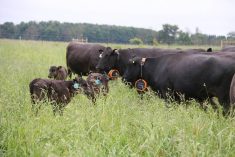

The clock is ready to strike midnight on a grazing lease controversy in an Alberta rural municipality, and it is abundantly clear that no matter what policy is drafted, not everyone is going to be satisfied.
Some grazing leases are set in expire at the end of February, and residents of the Municipal District of Taber were given one last chance at public consultation earlier this month in what has been a string of standing-room only discussions on the topic.
WHY IT MATTERS: With acres of native grassland dwindling in Alberta, agricultural producers across the province are taking a keen interest in what the future of tax-recovery lands in the MD of Taber will look like in its land-management strategies with various grazing leases set to expire soon.
Read Also

Gulf war fallout pushes crop chemical prices higher for Western Canadian farmers
A major crop input dealer warns prices and supply disruptions could hit Western Canada this spring.
Concerns from all directions have been voiced, including conservation groups, concerned residential taxpayers and lease holders, over how hundreds of millions of dollars worth of tax-recovery land should best be used to help the MD provide services for its approximately 8,000 residents.
Those issues resurfaced again at the Feb. 10 public consultation meeting as council takes feedback on the proposed draft policy updates to guide its decisions at its Feb. 24 meeting.
Because some tax-recovery land grazing leases are set to expire at the end of the month, any decision made at that council meeting concerning the 81,355 acres of land the municipality holds will likely be the final one.
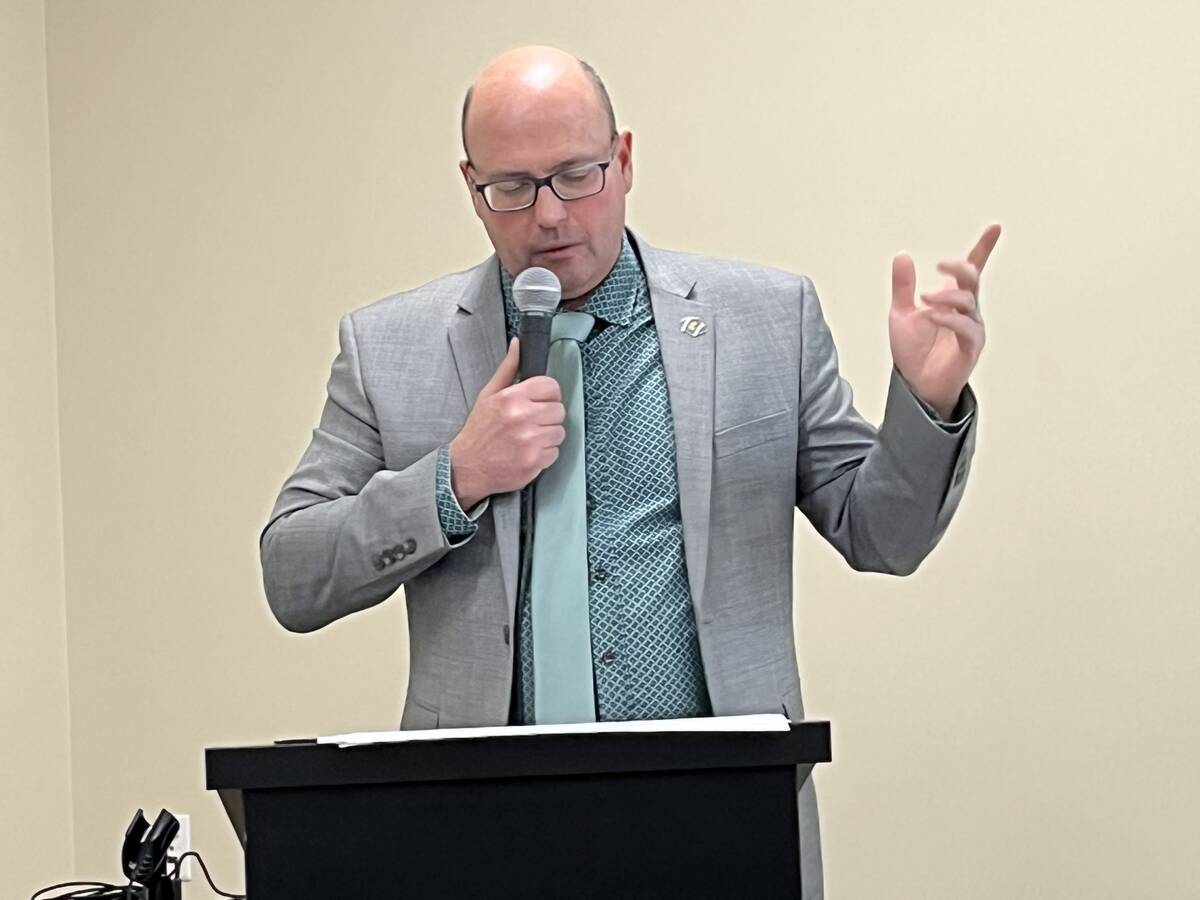
The contentious issue has dragged on for two years and has gained interest across Alberta.
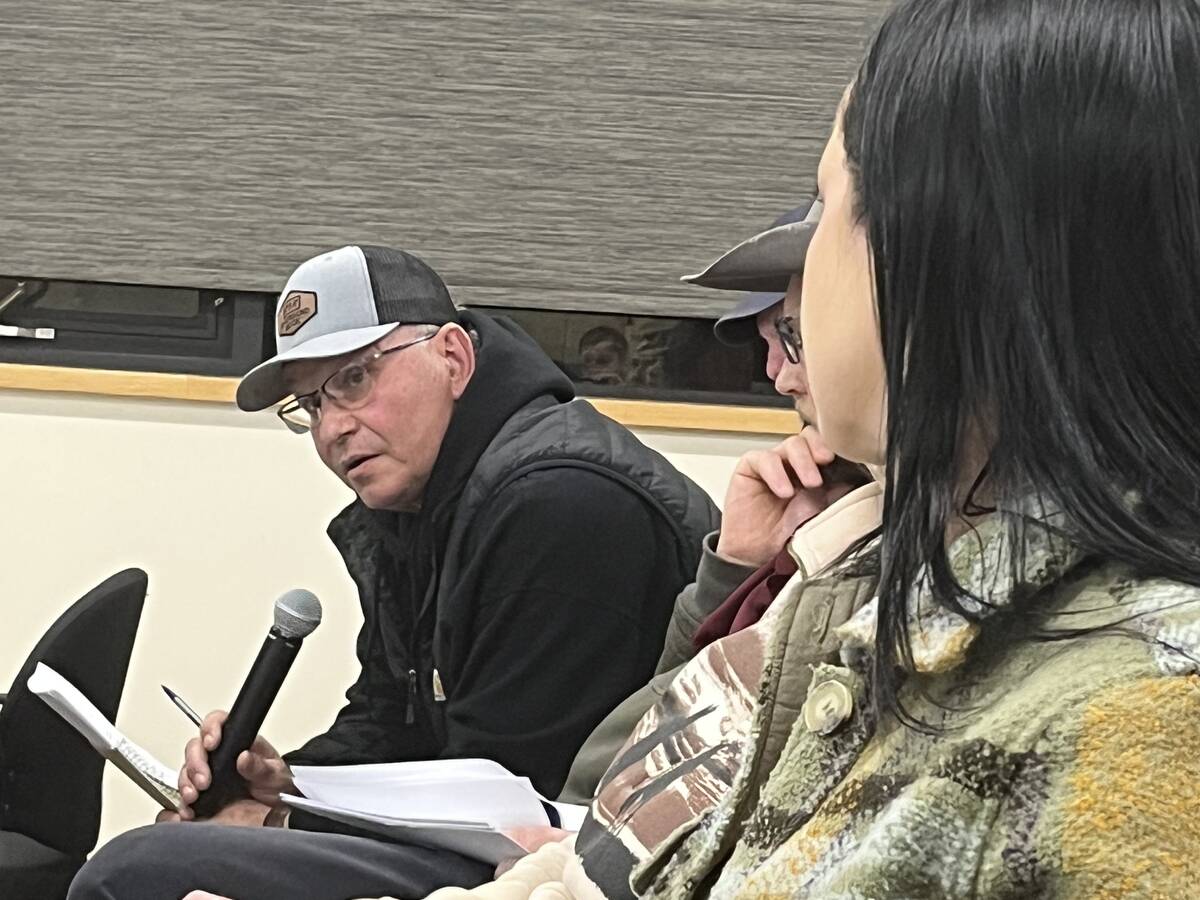
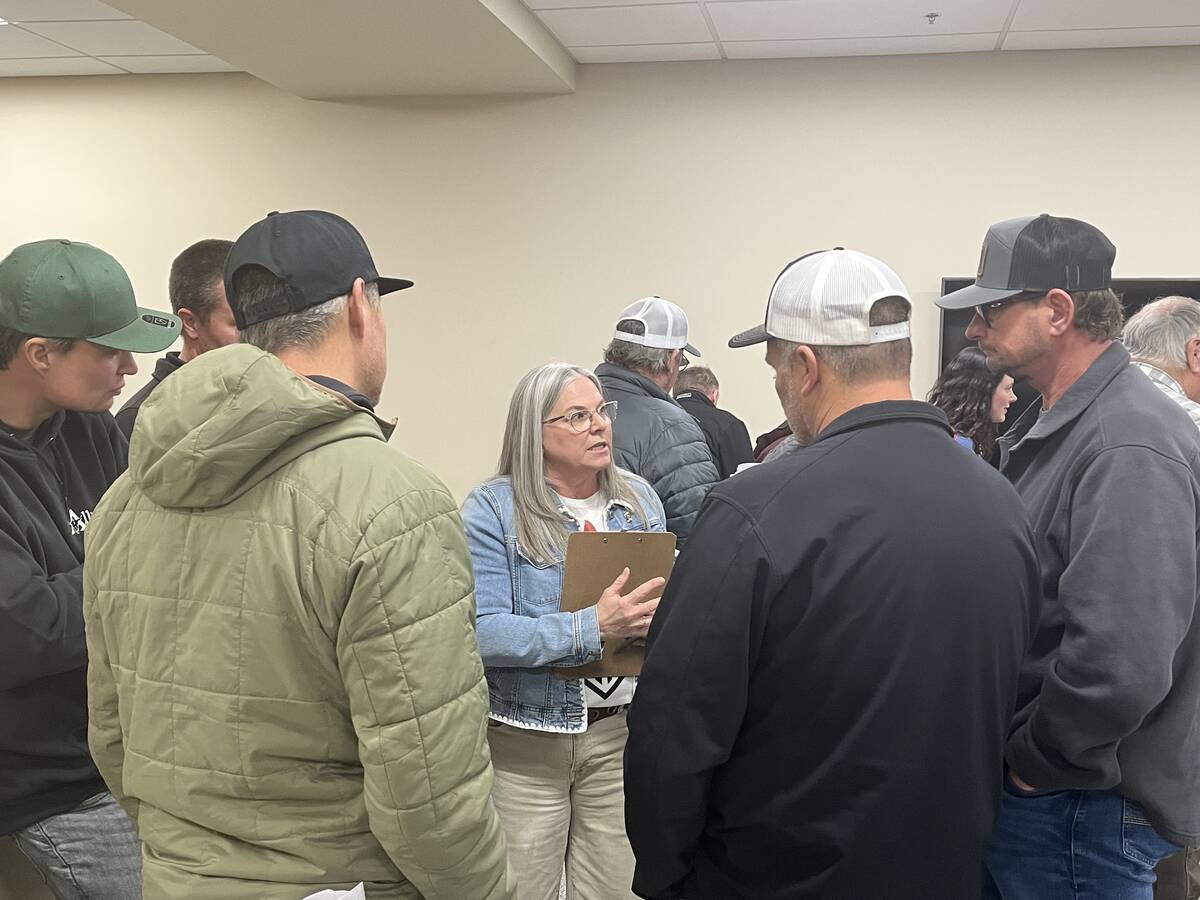
The packed information and feedback session meeting on Feb. 10 was attended by multi-generational ranching families with significant financial investments, conservation groups, high-value crop producers, residents feeling left out of a possible market-value tendering process and concerned taxpayers.
One resident in attendance read an excerpt from a memorandum of agreement from 2007 and 2011 when the MD first took on the tax-recovery lands.
“It is our intention to provide insurance to both the Province of Alberta as well as to existing lease holders, that this sensitive land will be protected in the future from breaking.”
The resident then went on to say: “This was probably mostly related to the MD selling lands to leaseholders, but where I guess what was coming, is they failed to protect this land from the MD itself. None of these caveats were ever put on title, and this is why we are where we are now trying to fight to keep this native grass.”
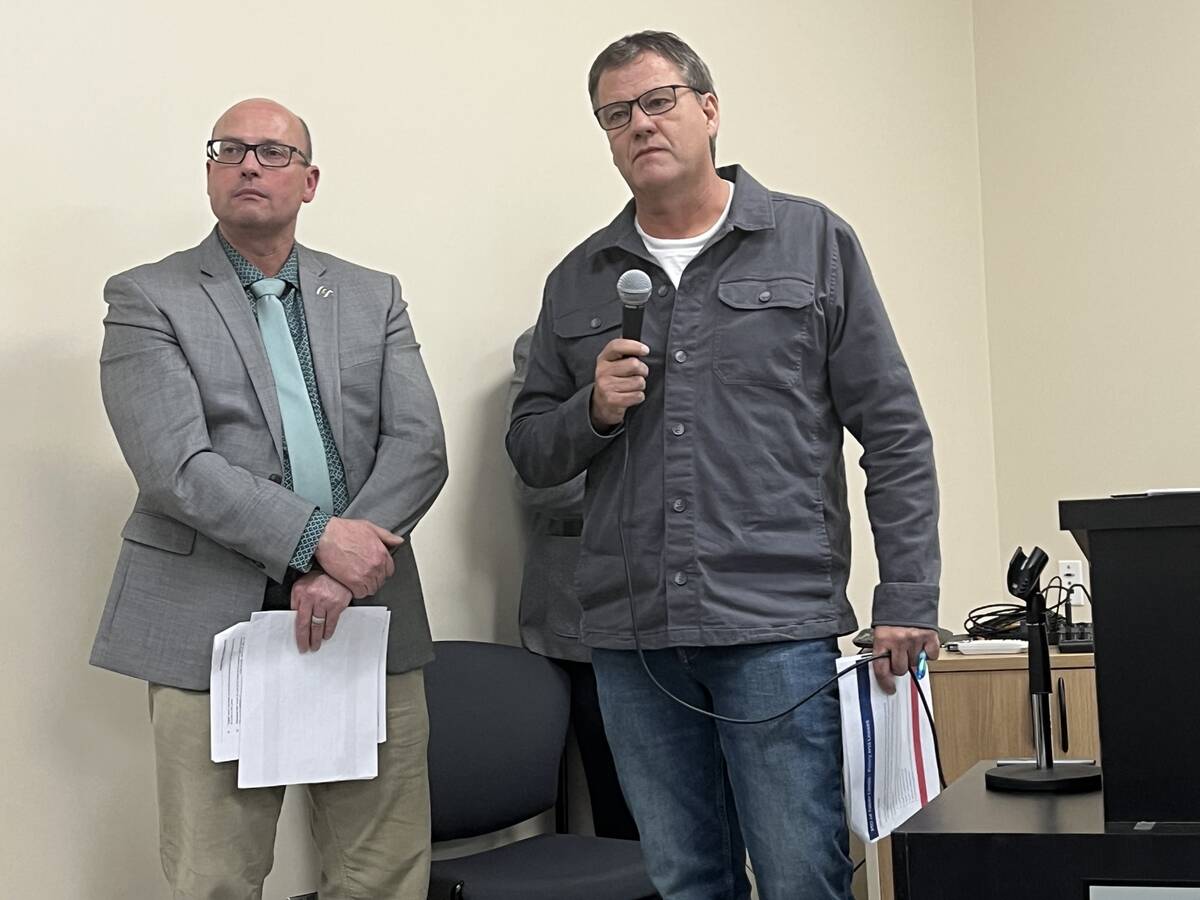
Former councillor Don Johnson cautioned the current council about the direction it takes with possible future land sales and the handling of grazing leases with future tenants.
He agreed council must get far better rates than it currently receives.
Transitional and community pasture grazing leases were set at $26.10 per AUM in August, and the new council is now proposing two times the provincial grazing lease rate for Zone 1.
Other proposed changes would allow lease rights to be sold and for leaseholders to receive some oil-and-gas payments based on thresholds. Tendered grazing leases would also have the option to purchase.
Johnson said council knew oil-and-gas revenues would eventually dwindle, and other municipalities, such as the County of Warner and Cypress County, sold tax-recovery land for a short-term cash infusion, but that’s now gone as a revenue stream.
“The intent was that it would never be sold, that the native grasslands would be protected and preserved. We met a number of times with grazing associations and the folks around that area, and with their input, we were able to come to an agreement in how these lands should be managed,” said Johnson.
“I have no problem with having a discussion about looking at are the rates appropriate? They need to be changed. Where I part company is any discussion about putting up for sale any tax-recovery land. I think that is wrong. I think if the council proceeds the way they’re going with this, it’s a violation of the trust in our council.”
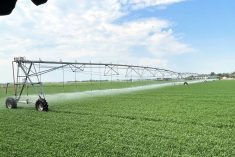
A previous council decision last year to proceed with a joint venture with the Bow River Irrigation District to convert 3,100 acres of grasslands to irrigated cropland was put on hold by the new council after October elections.
Only 4.2 per cent of the native grasslands were to be converted under the MD’s control for the proposed Scope Reservoir Joint Venture Agreement, generating considerably more revenue with the venture than with current leases.
However, some fear this would create a slippery slope, with more grasslands converted to irrigated cropland or sold to the highest bidder outside the MD.
Feedback from the MD’s numerous open-house discussions and written recommendations from residents, which had a Feb. 17 deadline, will be taken into consideration for council’s Feb. 24 meeting.