
The agricultural research community is still mourning the deep cuts Agriculture and Agri-Food Canada suffered earlier this year, resulting in the shutting down of seven research farms.
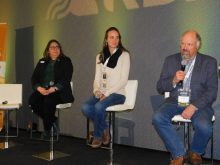
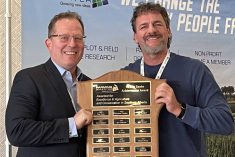
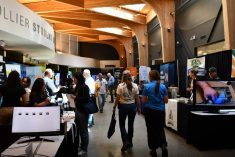
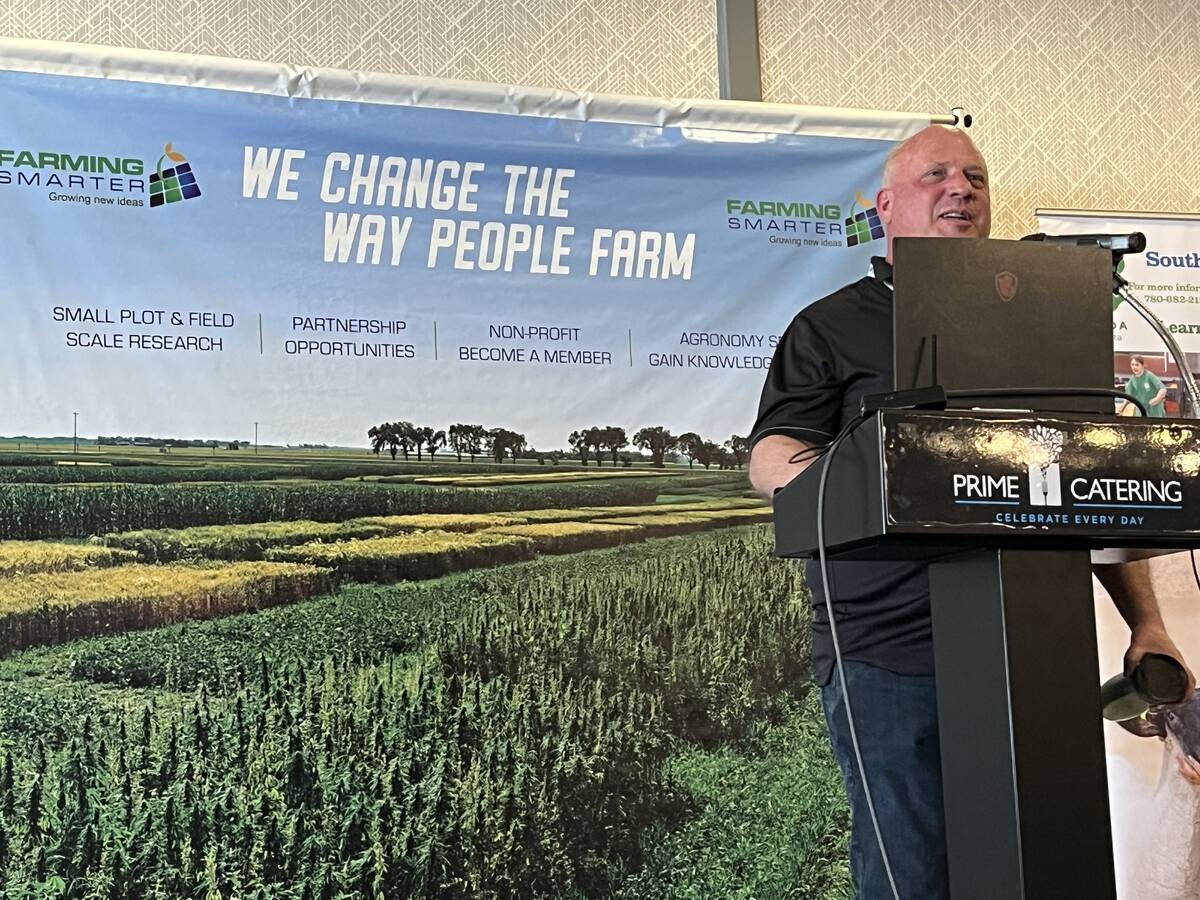
But through the hardships are the also the triumphs, as Farming Smarter celebrated its history with a federal government cash infusion at its conference in Lethbridge, Alta., on Feb. 11.
WHY IT MATTERS: In the aftermath of federal government cutbacks to agricultural research, showcasing those institutions who remain and highlighting their critical work helps with advocacy in driving the industry in innovation.
Eleanor Olszewski, minister of emergency management and community resilience was featured in a video presentation, announcing Prairies Economic Development Canada’s investment of more than $790,000 to support specialized testing equipment for Farming Smarter.
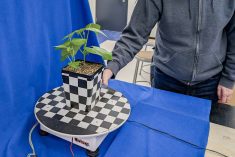
It comes in the aftermath of the provincial government investing $500,000 in Farming Smarter last summer to purchase equipment, aiding the organization in doubling its potato agronomy research projects in 2025.
Read Also
High-stakes balancing act for beef market
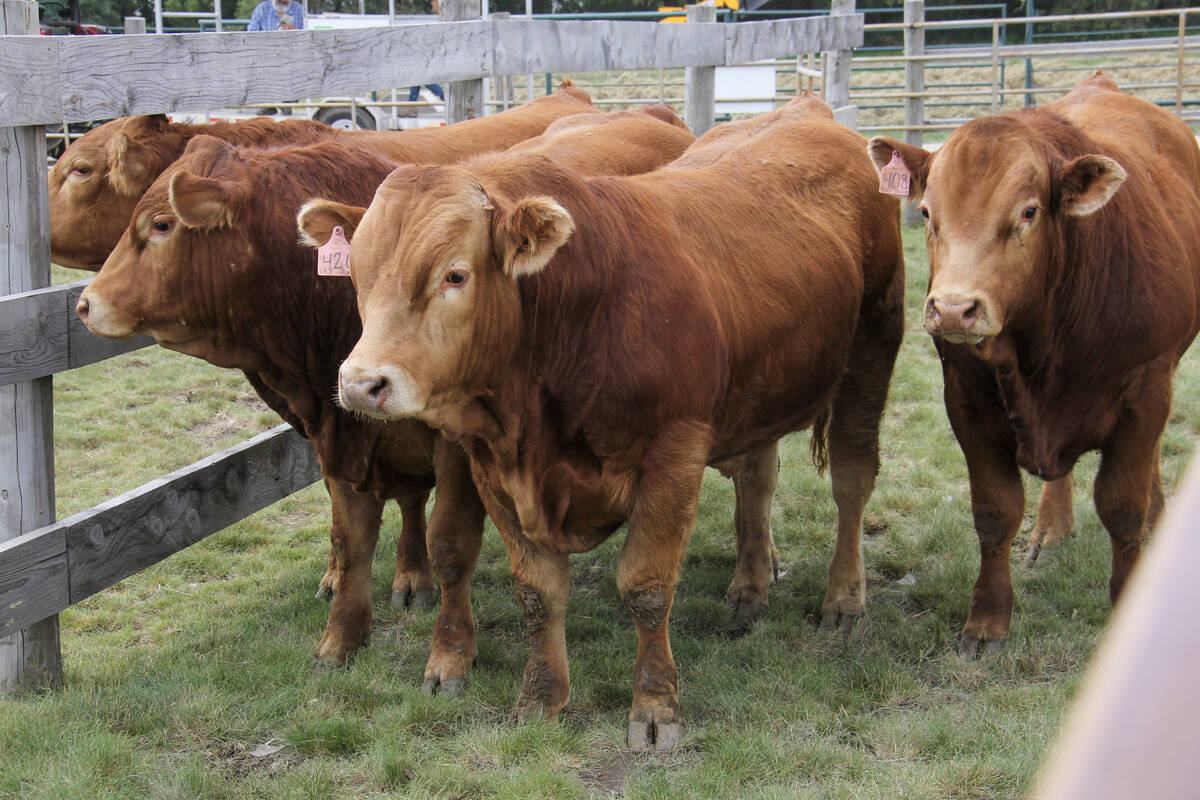
Global trade shifts, pest pressures and stubbornly strong consumer demand are reshaping the cattle and beef market.
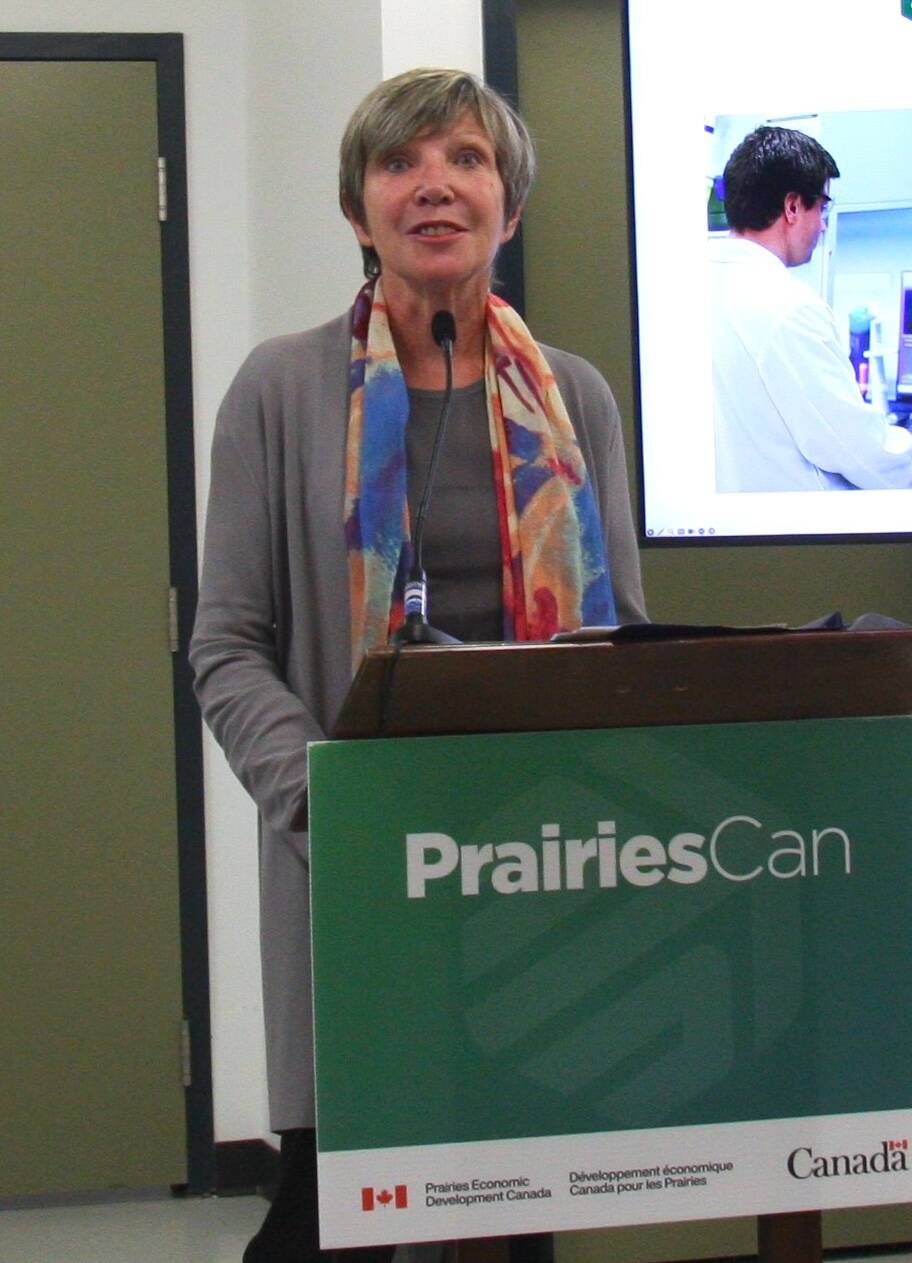
“Over the last two years, we have probably spent about $1.2 million in equipment that allows us to really delve into the high-value irrigated row crop industry. We all know it’s an amazing industry, but there sure is not a lot of research to support such an amazing, economically important industry,” said Ken Coles, executive director of Farming Smarter.
The non-profit Farming Smarter research institute was officially born in 2012, merging from the Southern Alberta Conservation Association and the Southern Applied Research Association.
Those humble beginnings as an association had a budget of $150,000, with Farming Smarter breaking an operating revenue of $3.24 million in 2025. Of that, 91 per cent goes to research, innovation, and knowledge extension.
“On the expense side, we spent $2.83 million on operations, but because of that large capital expenditure, we definitely put a good chunk of effort into building our resources,” said Coles.
Research acres have grown from 267 in 2024, to just over 500 acres in 2026, leasing a couple of quarters along Highway 3 near Coaldale, to form a strong presence in the crucial southern Alberta agriculture corridor. Plots can be found in the Lethbridge, Stirling, Barons, Coaldale and Bow Island areas.
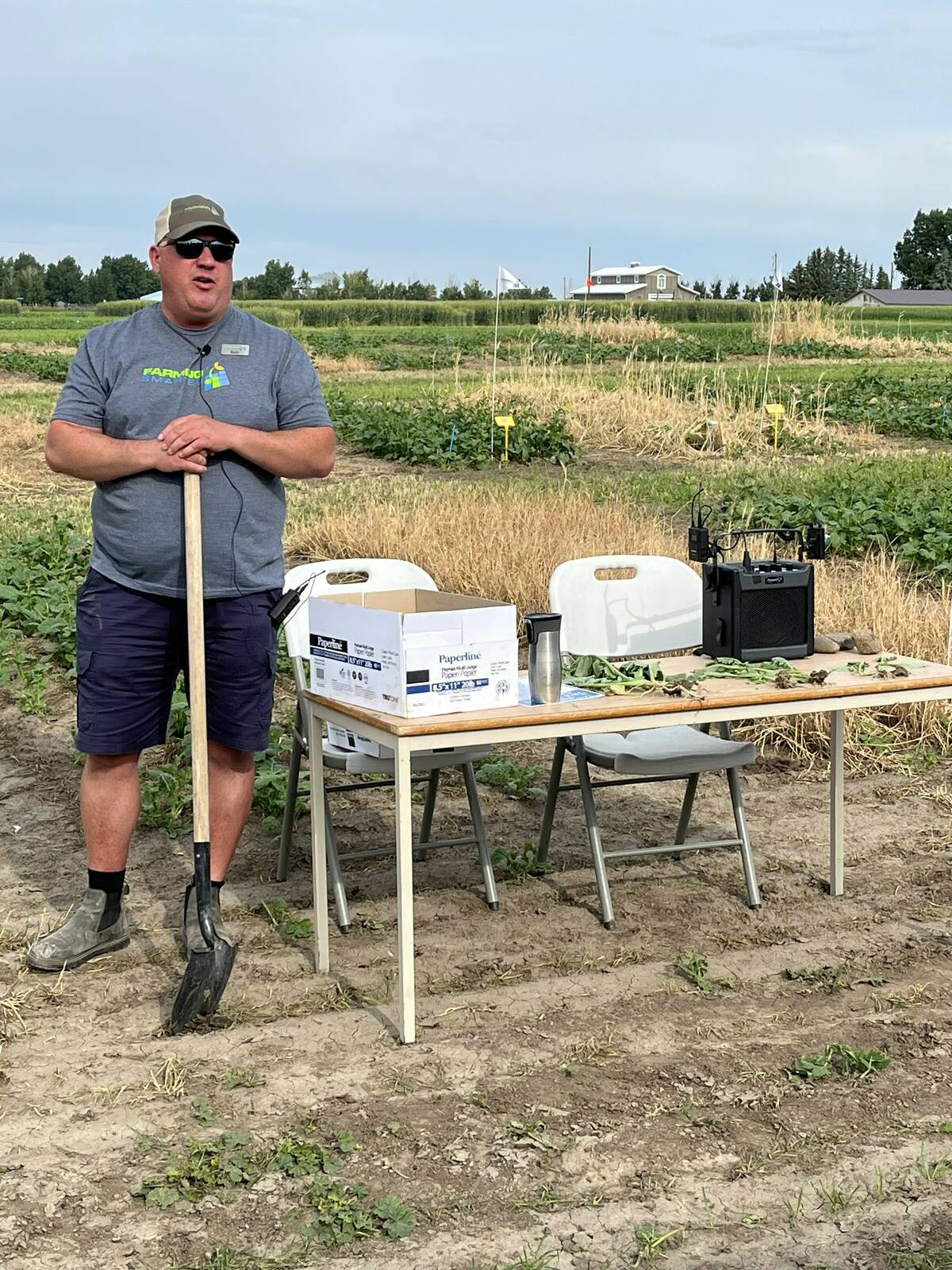
The small full-time staff of 11 also have summer students to rely on, as 119 students have walked through the door since 2012.
“When we dug in informally and looked at the capacity that we’ve grown to as an organization, we found out we’re doing twice the amount of field-based agronomy research than all of our post secondaries in Alberta combined,” said Coles, who is guided by a board of directors.
“The work that we’re doing here at Farming Smarter is unmatched in the province. We’ve got a good group of people that are willing to work with us, and I think there’s an opportunity for us to continue to build capacity and and get the support.”
Agriculture has caught the eye of philanthropic foundations in recent years as regenerative become the latest buzz word. The Weston Family Foundation, RBC Tech for Nature and Farmers For Climate Solutions, have supported Farming Smarter alongside a new grant from the Carthy Foundation for environmentally sustainable agriculture.
“It is allowing us to do work we have never done before. It provides us with the flexibility to work on things that are local. Whenever we’re working for research projects, we have to appeal to the entire province, or sometimes to all of Western Canada. So we’re looking continuing our efforts in building more relationships along that front.”
Farming Smarter is involved with a professional fundraising firm and is also hiring for a new community engagement position.
Farming Smarter funding and growth breakdown
Total recent equipment investment: $1.2 million
- Prairies Economic Development Canada (federal): Over $790,000 for specialized testing equipment
- Alberta government: $500,000 (one-time capital grant) awarded in summer 2025 to advance irrigated crop production and potato agronomy
Revenue growth (2012 vs. 2025)
- 2012 founding budget: $150,000 (merged from Southern Alberta Conservation and Southern Applied Research Associations)
- 2025 operating revenue: $3.24 million — with 91 per cent of funds dedicated to research, innovation and knowledge extension
Operational scale-up
- Research acres: expanded from 267 acres in 2024 to over 500 acres in 2026
- Staffing: 11 full-time staff supported by a robust student program (119 students hired since 2012)
Strategic philanthropic partners
- Weston Family Foundation
- RBC Tech for Nature
- Farmers for Climate Solutions
- Carthy Foundation (new grant for environmentally sustainable agriculture)
The moniker may say Farming Smarter, but Coles stressed it’s an organization that pushes the envelope to experiment in a culture of innovation. Creating an environment where staff can take risks so that agricultural producers don’t have to in absorbing the learning curve in best practices for land stewardship coupled with maximum productivity.
“A lot of about the culture is, let’s try some crazy things, and maybe we can even save you guys from doing something stupid. We call ourselves Farming Smarter, but really this is: ‘Let’s make as many mistakes as we can so that you don’t have to’,” said Coles.
Agriculture generates around $150 billion in Canada, supporting one in nine jobs, and is a top-10 exporter in the world of its goods. As the non-profit Farmer Smarter continues to expand, the executive director hopes what he called the catastrophic closing of seven research farms across the nation by the federal government will serve as a springboard.
For Coles, advocacy is needed now more than ever in the importance the type of work his organization and those like it are doing in helping power agriculture.
“While I do understand the need to cut back in bureaucracy and the size of government, what we’re cutting here is irreplaceable, and we’re cutting all the rural region,” said Coles.
“Some could argue that, ‘Oh, well, you guys can pick up the slack’. That’s not true, because the only way we’re successful is to partner with others across the country, to share the expertise. We’re really general, and we need those experts. All those agronomy battles, kochia is the number-one problem we heard from everybody. You just lost half of the weed scientists in the province, and that’s not a good thing.”
Farming Smarter collaborates with numerous colleges, universities, provincial and federal agencies, and private research associations across western Canada on many projects.
The organization also helps train industry and has conducted product demonstrations for Syngenta, BASF, Bayer, Valent, FMC, NuFarm, SeCan, and SeedNet among many others.