
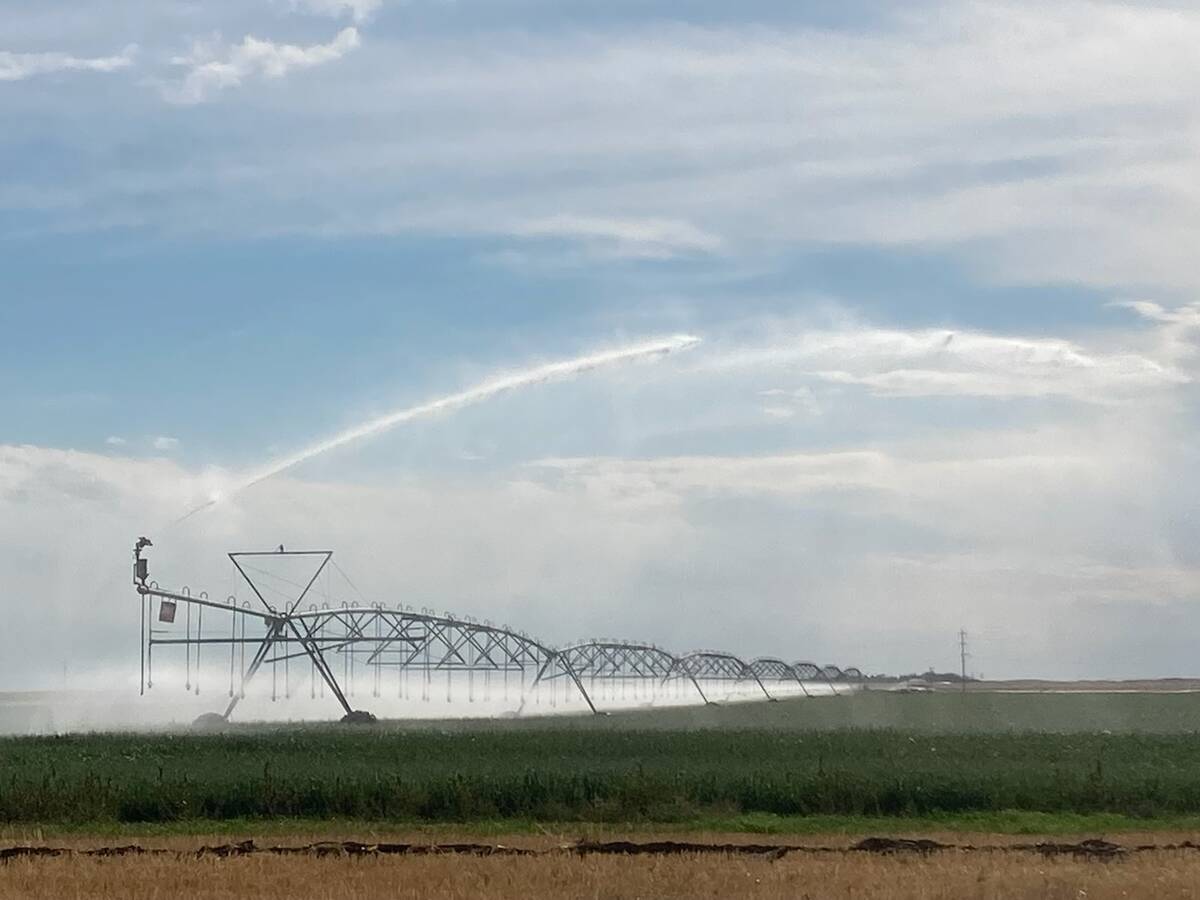
Canada’s largest irrigation district is a step closer to completing its most critical flood mitigation project after securing nearly $3 million in provincial grant funding.
The Horsefly Regional Emergency Spillway project, spearheaded by the M.D. of Taber and supported by fellow Southern Regional Stormwater Drainage Committee members, is now moving into its final construction phase. The funding is part of $28.5 million the Alberta government announced through its Drought and Flood Protection and Watershed Resiliency and Restoration programs.
Read Also
Copper deficiency could be costing you 50 per cent of your yield
Copper deficiency can slash crop yields by 50 per cent and is often mistaken for herbicide injury — an agronomy expert explains what growers need to know.
WHY IT MATTERS: The Horsefly spillway is considered the most impactful of seven flood mitigation projects in the southern Alberta region. Once complete, it will protect communities from flooding while safeguarding an irrigated agriculture sector that generates $8 billion annually in domestic product.
“Investing in drought and flood protection keeps communities safe, while allowing them to continue to grow and thrive,” said Grant Hunter, Alberta’s minister of environment and protected areas, in a government press release.
How the spillway works
The Horsefly Emergency Spillway sits near the middle of the St. Mary River Irrigation District’s (SMRID) 312-kilometre main canal system. The 15-kilometre spillway diverts water from the main canal near Taber and channels it through existing irrigation infrastructure to the Oldman River.
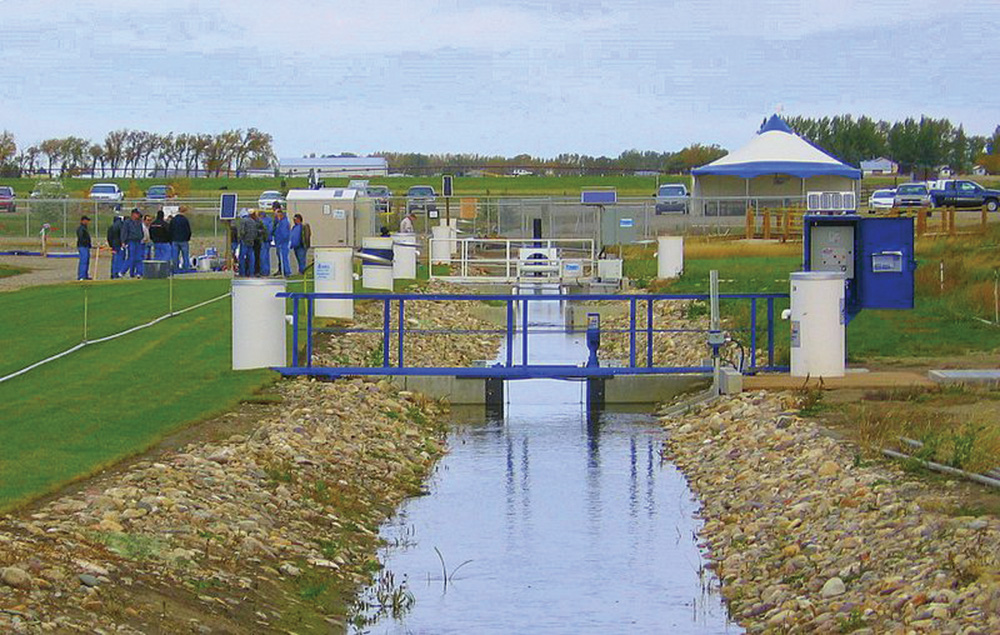
With two of three construction phases complete, the spillway’s diversion capacity has already increased from 7.6 m3/s to 47 m3/s — six times the previous volume. The final phase is targeted for completion by the end of 2027, capping 15 years of planning and construction.
The Horsefly project is one of seven flood mitigation projects identified by the SRSDC under its stormwater management plan and is considered the most impactful in enhancing flood attenuation capacity for the regional system. Combined federal, provincial, municipal and SMRID contributions total approximately $50 million. The SMRID contributed $1.5 million in land and right-of-way acquisitions from the outset.
“I’ve always been very impressed with how the other communities have bought in and wanted to contribute financially, because the project wasn’t completely financed with grant funding. It did require municipality participation,” said SMIRD general manager David Westwood in an interview with Alberta Farmer Express.
Protecting the food corridor
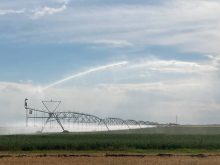
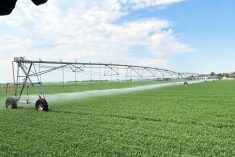
The project sits in the heart of what’s known as Canada’s Premier Food Corridor, stretching from Lethbridge to Medicine Hat. The corridor encompasses approximately 4,470 farms working more than 900,000 irrigated acres and growing 65 specialty crops. The SMRID services roughly 518,000 of those acres for 2,000 farmers.
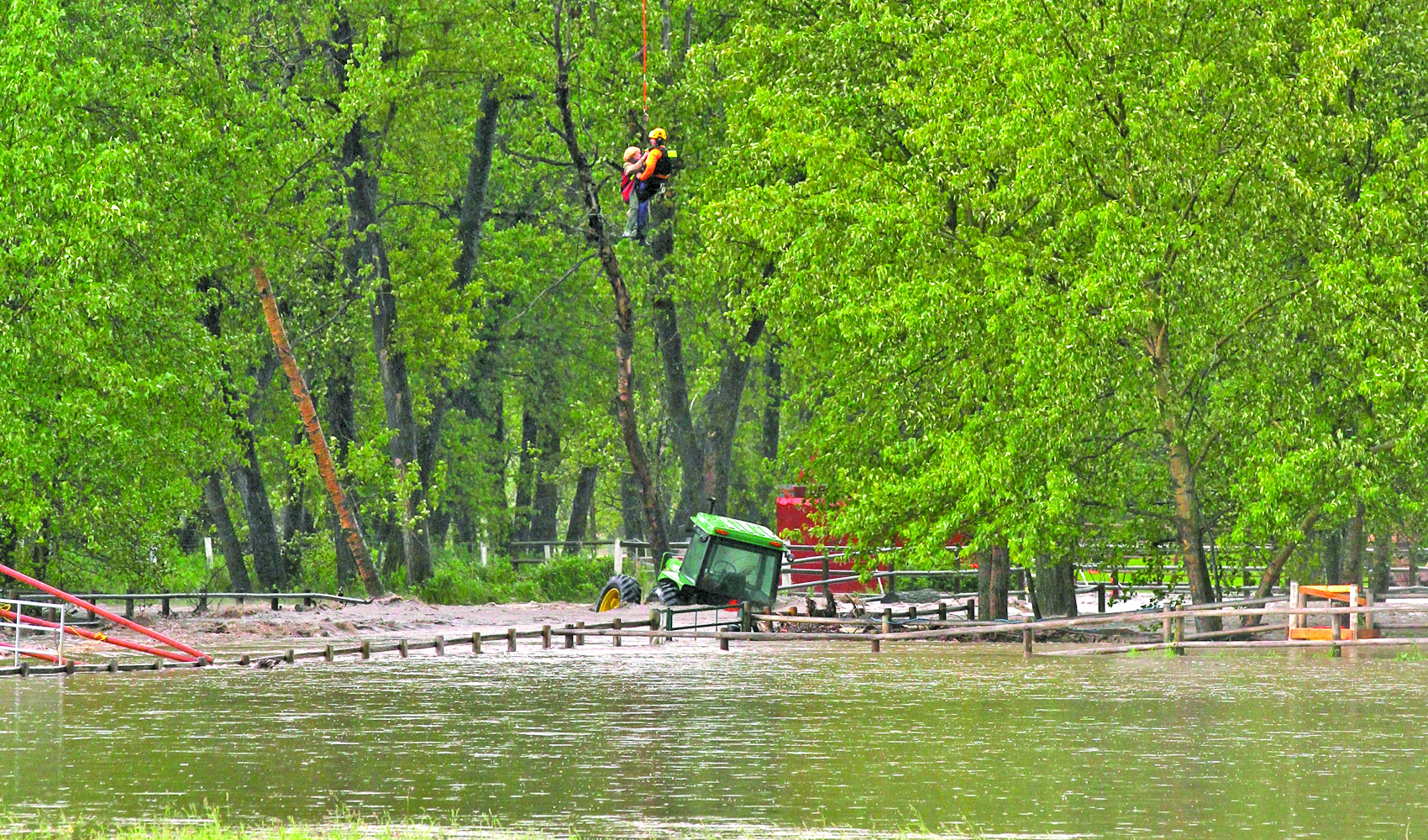
Numerous major weather events from 2010-2018 emphasized the need for the project, the latest when ice jammed many of the SMRID canals. It makes for a situation with Mother Nature of not if, but when the Horsefly project will help mitigate the next major weather event in southern Alberta.
“It shows the whole ag industry in southern Alberta is prepared to reinvest in itself, to make sure it is safeguarding its assets if we were to have a significant flood event,” Westwood said.
He added the completed spillway will give investors and food processors confidence in the region’s ability to deliver stable, repeatable production even in extreme weather.
“We’ve invested the capital to safeguard the assets, which is being able to continue to provide irrigated agriculture, which is going to lead to stable and repeatable production, which leads to them being comfortable that they’re going to have their food processing demands met,” he said.
A bonus for the SMRID: a portion of $3.5 million from the Watershed Resiliency and Restoration Program will go toward restoring two wetland complexes in the M.D. of Taber, improving water quality for downstream irrigators.