
Canada’s hog supplies edged higher year over year for the first time in nearly five years as of Jan. 1, while its cattle herd fell to the lowest January level in 16 years, Statistics Canada said on Feb. 17.
Reductions in numbers of beef cows and sows, however, represent diminished potential to expand herds and suggest significant growth may not be imminent.
Hog producers had 11.9 million hogs to start the year, up 0.6 per cent from a year earlier and the first year-over-year increase since April, 2006. Numbers of sows and gilts slipped one per cent to 1.3 million head, with sows at the lowest level in 12 years.
Read Also
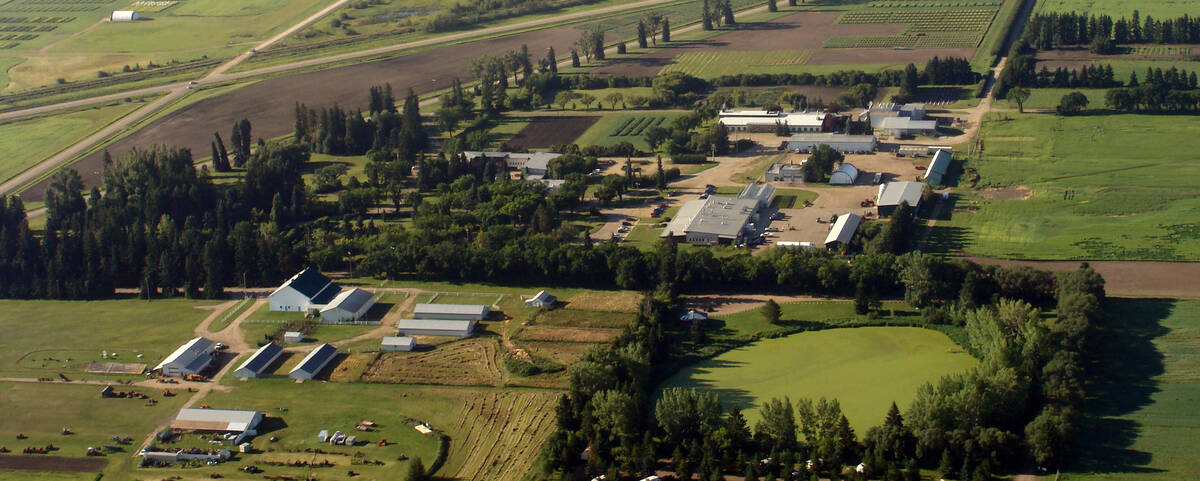
AAFC’s Lacombe Research and Development faces imminent closure
The closure of AAFC’s Alberta facility will have a lasting impact on the Canadian agriculture industry.
“The thing that matters most is the sow herd and the fact that’s down is reflective of the federal government (incentives to cease hog production) and the difficult economic circumstances, especially at the end of the year,” said Kevin Grier, senior market analyst at the George Morris Centre, an independent Canadian agriculture research organization.
“That’s just a continuation of the downturn.”
Cattle numbers down
Canadian ranchers had nearly 12.5 million cattle on Jan. 1, down 3.4 per cent from a year earlier, continuing a six-year decline caused by strong currency, high feed costs and trade barriers.
The beef cow inventory slipped by nearly three per cent, more than offsetting an increase in numbers of beef replacement heifers.
Strong export and domestic demand for cows has pulled down cow supplies, but some ranchers likely made profits in 2010 that may explain the buildup of beef heifers, Grier said.
“2010 started out pretty bad, with drought in Alberta, but finished the year with a note of optimism.”
Canadian cattle exports rose in 2010 nearly five per cent to about 1.1 million head, but hog exports slipped 10 per cent to 5.7 million hogs.