
If an emergency arises, everyone working in a poultry operation should know exactly what to do.
“A lot of effort goes into training growers, but priority should also be given to training employees,” says biosecurity expert Jean-Pierre Vaillancourt.
“Poor execution or a lack of an emergency plan can result in more problems.”
A disease outbreak is not a static situation and the right decisions need to be made quickly.
“You can’t prevent it once a disease has broken out, but you can make decisions that can control the damage,” said Vaillancourt.
Read Also
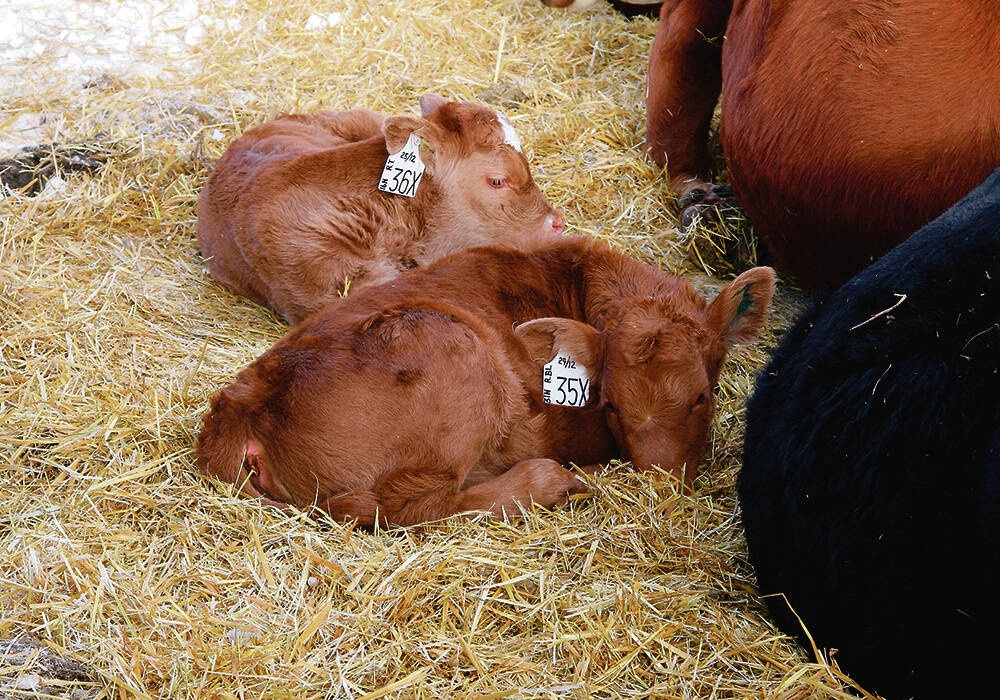
Biosecurity during calving: What’s your farm’s risk?
Cow-calf producers in Western Canada should have a well-designed plan for winter confinement period to reduce disease risks to herd.
This includes talking to your vet, quarantining the entire area (which includes posting appropriate warning signs), getting word out to any service personnel who might be coming by the farm, and determining how to best reroute other traffic on the farm.
In fact, controlling traffic and limiting access should be an ongoing concern, said the University of Montreal professor.
“Farms that had employees travelling to other farms daily were 14 times more likely to get ILT (infectious laryngotracheitis, a viral infection of the respiratory tract),” he said.
Along with a pre-arranged emergency action plan, growers should be constantly monitoring their birds. If there’s a concern, they should be able to consult experts in a discreet manner.