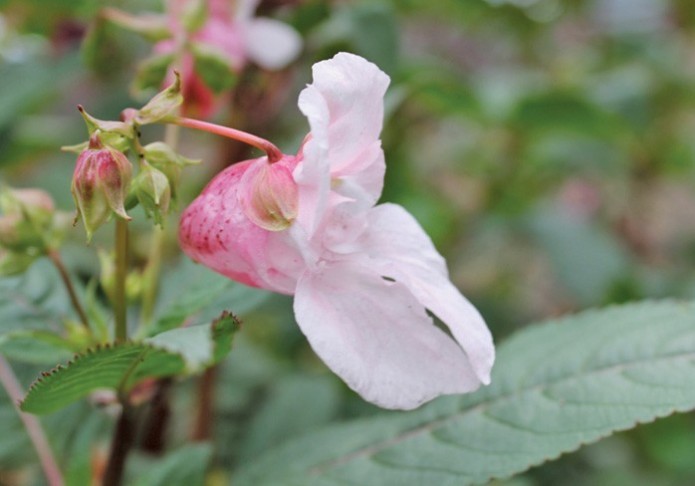
Producers have reported ‘strange regrowth’ of Himalayan balsam following control measures to Alberta Agriculture and Rural Development.
“There are some important points to keep in mind when attempting to eradicate this invasive weed,” said provincial weed specialist Nicole Kimmel.
Himalayan balsam is shallow rooted and easily pulled up by hand. That makes it labour intensive to deal with heavily infested sites, but is the simplest and most reliable management technique, she said.
If cutting the plant, the stem must be cut below the lowest node, otherwise it will send out more stems from that point and produce more flowers and therefore, more seeds. Strimming or weed whacking will not accurately cut the stem below the first node as it is often very close to the ground. If you go this route, it must be repeated on a regular basis — prior to the plant setting seed — for two to three years, she said.
Read Also
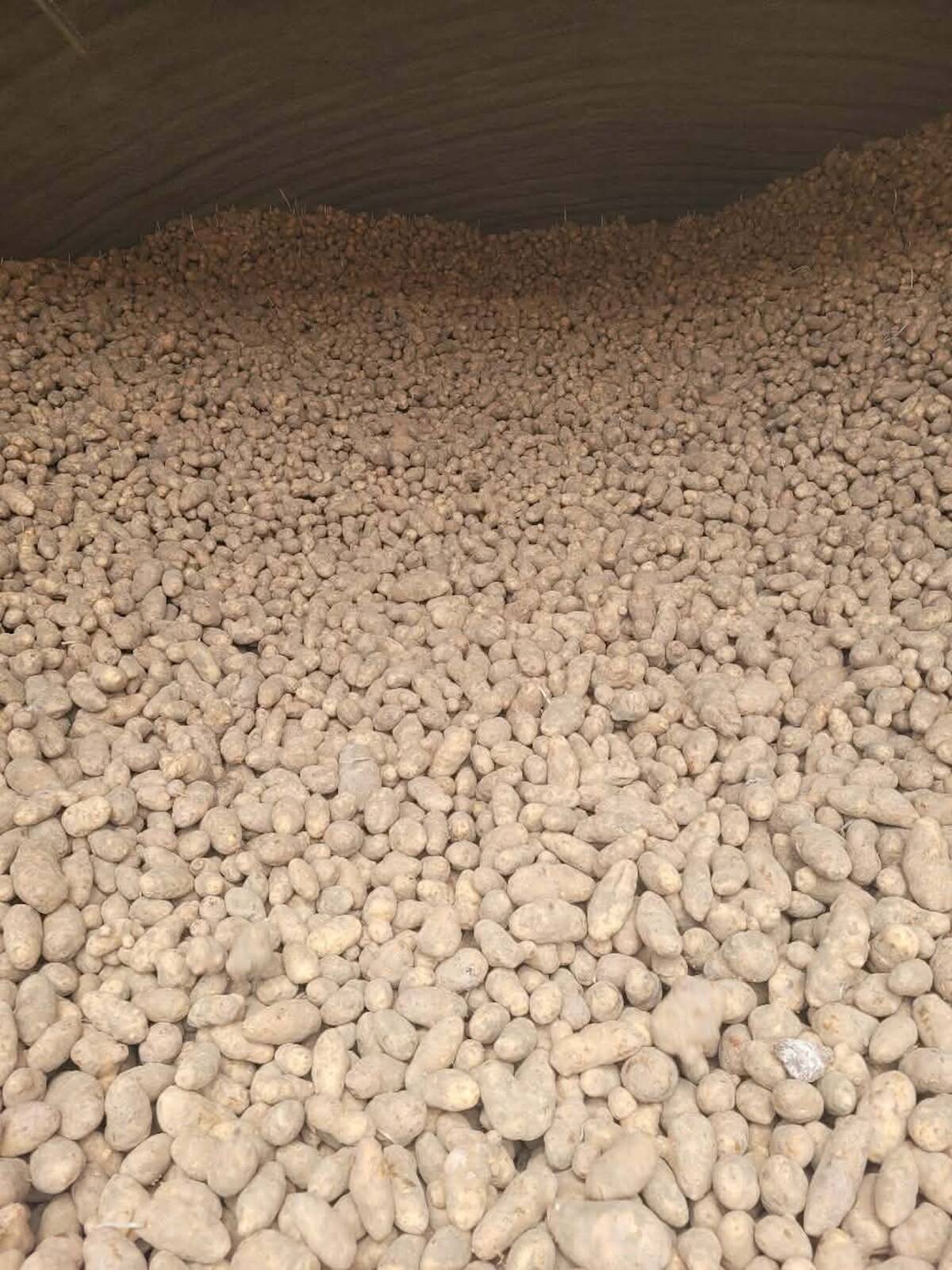
Alberta agtech start-up tackles potato storage losses with sensor technology
A Calgary-founded agtech company is bringing sensor technology and predictive analytics to Alberta’s potato storage bins.
- More from the Alberta Farmer Express: Aussie weed ‘seed destroyer’ ready to roll in Alberta trials and Weed competition costing corn growers yield
“Management must be before the plant sets seed, as disturbing the plant once it has seeds will spread the seeds over a wider area,” says Kimmel “The cut or uprooted plant, if left on the ground, may send out new roots at every node point along its length, producing more plants and more seeds than without management. The cut or uprooted plants should be left off the ground, burned or removed from the site or piled up in a single location — depending on the number of plants.”