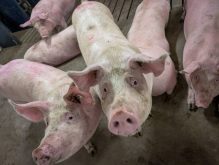

Two weeks after opening for business, the federal cull breeding swine program has had enough uptake to get it over halfway to its target.
The Canadian Pork Council, which is administering the cull on behalf of the federal government, said Wednesday that over 75,000 breeding animals were committed to the program in its first two weeks.
That’s enough to cover more than half the target set by Ottawa, to reduce the size of Canada’s breeding swine herd by 10 per cent.
“The $50 million
program… is being accepted as a necessary step in
Read Also
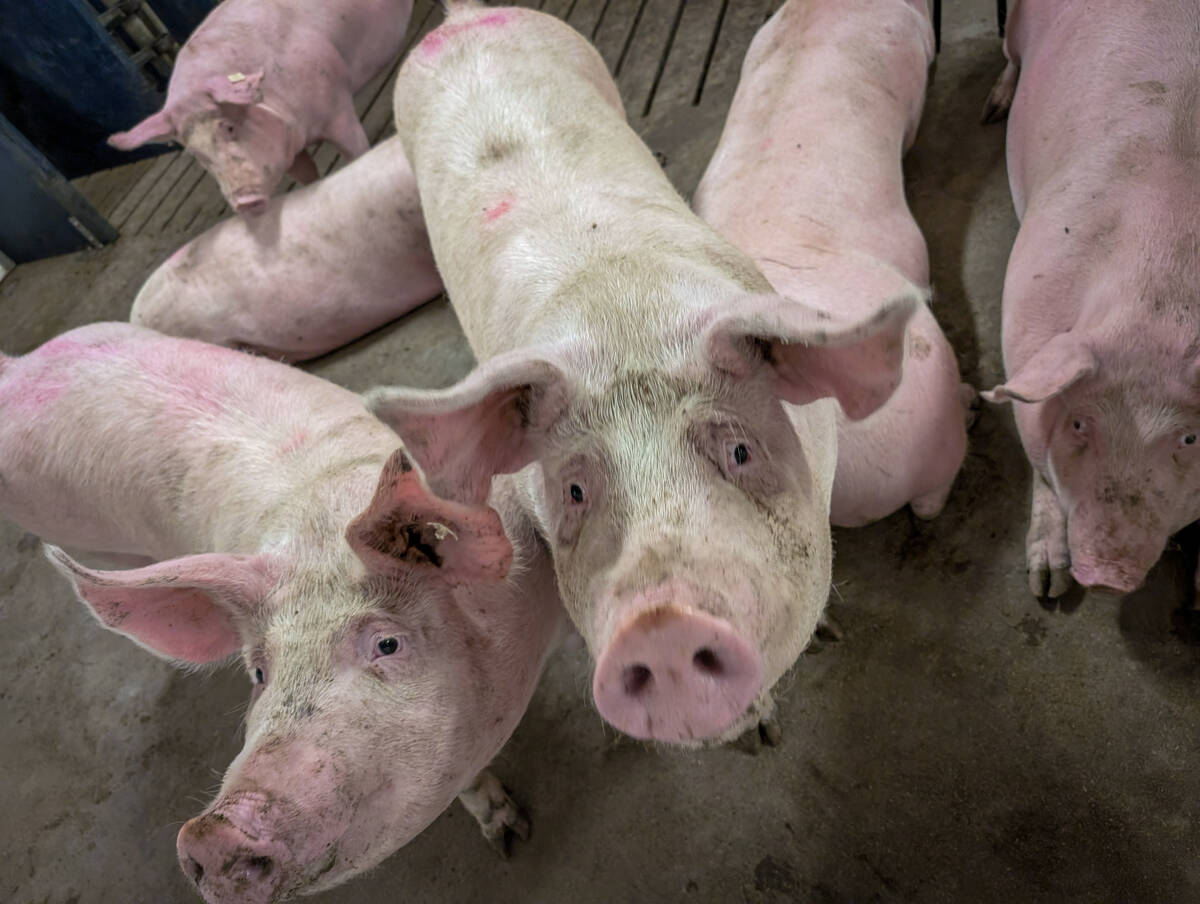
No way to segregate gene-edited pigs Canadian Pork Council says as groups call for labelling
Canadian Pork Council says it supports bids to get public acceptance for pigs gene edited for resistance to PRRS as some consumer and agriculture groups call for mandatory labelling.
Claims filed to date indicate that two thirds of the animals eligible for the program were
marketed before the program’s April 14 launch date.
This shows producers were already trying to adjust to
market conditions on their own, the council said, noting meat from those animals was marketed through regular food
channels. Animals sold between Nov. 1, 2007 and April 13 this year produce payments of $225 per animal minus the selling price.
Qualifying producers, subject to application approval, will get $225 per breeding swine culled after April 14, and reimbursement for costs of slaughter and carcass disposal. Participating hog farmers must agree to empty at least one barn, and to not restock for a three-year period.
Funding from several provinces and private investors will allow a significant portion of
the meat from animals culled after April 14 to be donated to food banks, the council noted Wednesday.
Alberta announced Wednesday that it would provide $300,000 to process cull sows, while Saskatchewan and Manitoba each previously announced such funding.