
Properties of a “cactus-like” plant from Arizona might have a future in Canada in an oilseed crop for the industrial lubricant market.
Randall Weselake, a professor at the University of Alberta’s department of agricultural, food and nutritional science, has lined up $360,000 for a research team to experiment with seeds from the plant, called lesquerella.
Lesquerella naturally produces high levels of certain fatty acids that are “particularly suited” to production of lubricants and other industrial oils, the university said in a release Friday.
Weselake’s team aims to transfer that particular trait into a “canola-like” oilseed plant grown in Canada, the end goal being to produce a “fine liquid wax with superior industrial properties.”
Read Also
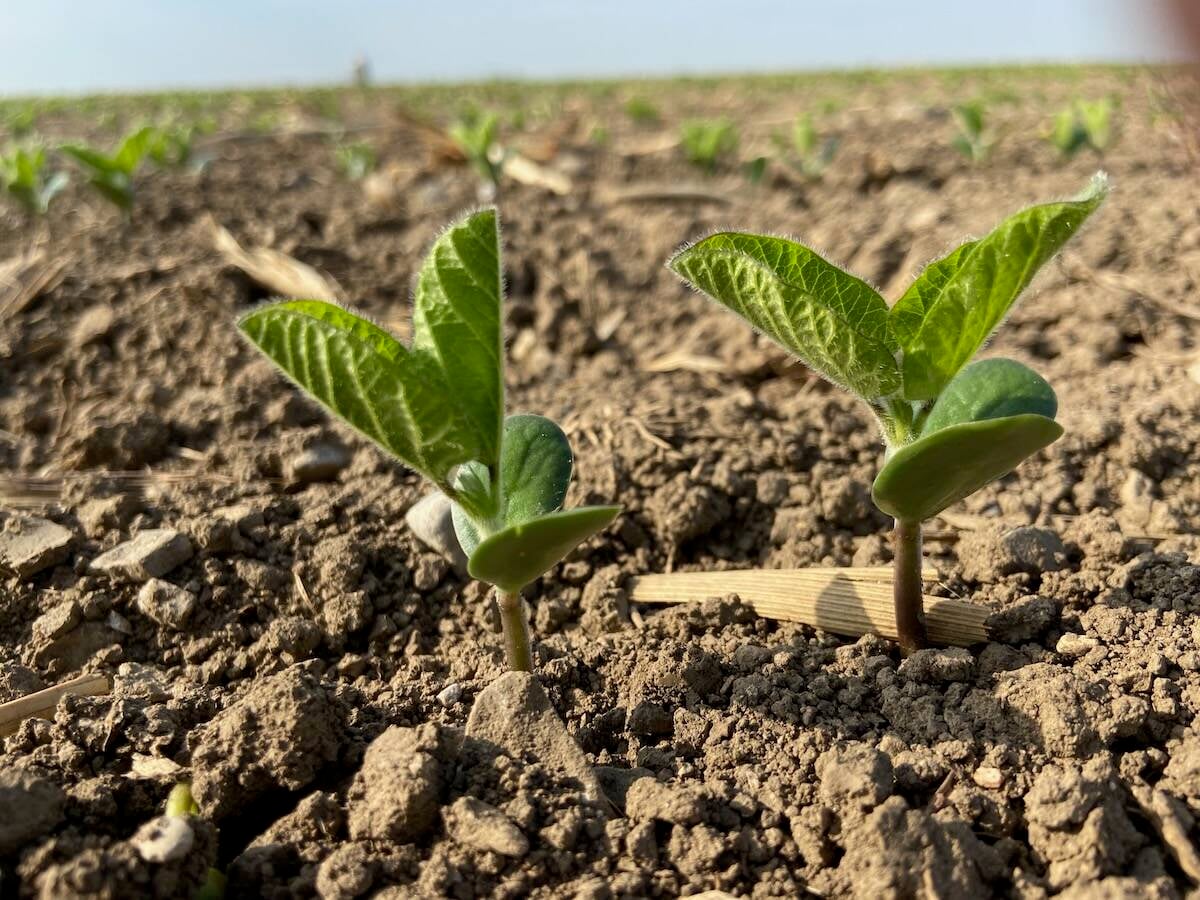
CBOT weekly outlook: Soybeans/corn awaiting acreage data
Soybean and corn futures at the Chicago Board of Trade posted some large price swings during the week ended March 25, as market participants reacted to the shifting news out of the Middle East and adjusted positions ahead of upcoming acreage data from the United States Department of Agriculture.
If such research pans out, it could “substantially increase the industrial uses of plant oils and serve as a high-performance lubricant,” Weselake said in the release Friday.
The canola-like plant in this case would be Brassica carinata, which would be genetically modified using an enzyme from lesquerella, to help convert the plant oils into a liquid wax that’s more resistant to high temperatures and pressures than unmodified plant oils, the university said.
Potential applications include automobile transmission fluid, hydraulic fluids, adhesives and numerous industrial lubricants, the university added.
“The overall goal is to decrease reliance on fossil oils currently used in the global chemicals industry,” Chris Kazala, manager of the university’s BioActive Oils program and a research team member, said in the same release.
“Using plants to produce these products provides a secure, environmentally sustainable supply of these materials for industry and is, in many cases, easier to manufacture.”
The funding for the U of A project comes from Avac Ltd., the Calgary-based venture capital fund launched in 1997 by the province with added start-up money from the federal government, to expand value-added industry in Alberta with a focus on the “agrivalue” sector.
The U of A noted this research is part of the ICON Project, a four-year worldwide collaboration involving 23 partners from 11 countries and sponsored by the European Union.
Several U.S. research projects have recently focused on bringing lesquerella itself directly into crop production, for its seed oil’s use in industrial oils and biodiesel additives.