
Researchers at Ontario’s Trent University say they may have linked “intensive” farming to the amount of carbon dioxide released from river systems.
Ph.D. student Henry Wilson and his supervisor at the Peterborough-based university, Maggie Xenopoulos, published their findings online Sunday on the website of the journal Nature Geoscience.
Their study, Wilson said, aimed to explore how organic matter is processed in agricultural streams. They found that “intensive agriculture” — that is, higher levels of cultivation and usage of cropland — “decreases the chemical complexity” of dissolved organic matter in nearby rivers.
Read Also
Pulse weekly: USDA to buy US$75 million in pulses as part of support package
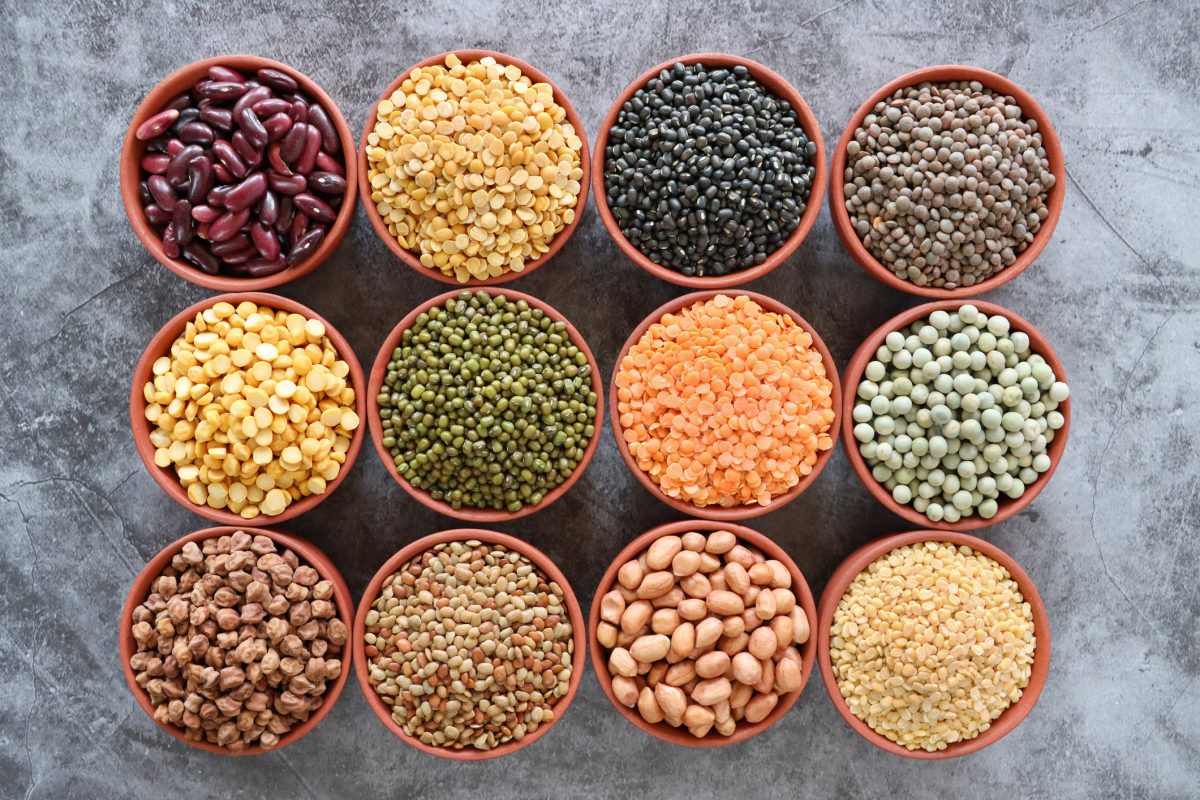
Pulse growers in the United States have a new market after a recently announced program from the U.S. Department of Agriculture allocated US$75 million to purchase peas, lentils, beans and chickpeas.
Coupled with the loss of nearby wetlands, Wilson and Xenopoulos suggested in a Trent release Monday that such “simplification” of organic matter could boost the rate at which river microbes process the carbon from that material.
As a result, they said, organic matter may be more readily removed from rivers. That carbon could then either end up stored in sediments or released into the atmosphere as carbon dioxide.
“Where wetlands have been maintained as a component of the landscape and where perennial crops, like forages or pasture, have been incorporated into rotation, we see much less drastic changes to how stream ecosystems function,” Wilson said Monday.
The study, he said, highlights the importance of careful management of ag inputs such as nitrogen fertilizer applications.