
Brazil, one of the world’s largest wheat importers, will have to turn to the Northern Hemisphere to meet demand after a weak South American harvest, the head of one of the country’s top flour milling groups said Wednesday.
Brazil’s nearly-harvested wheat crop is smaller than normal as is the case in neighboring Argentina, which is usually the source of 80 per cent of Brazilian wheat imports.
Lawrence Pih, president of Brazil’s biggest flour milling group Moinho Pacifico, said, "I’ve been in the business for 47 years, and this is one of the most difficult years in terms of supply of raw material."
Read Also
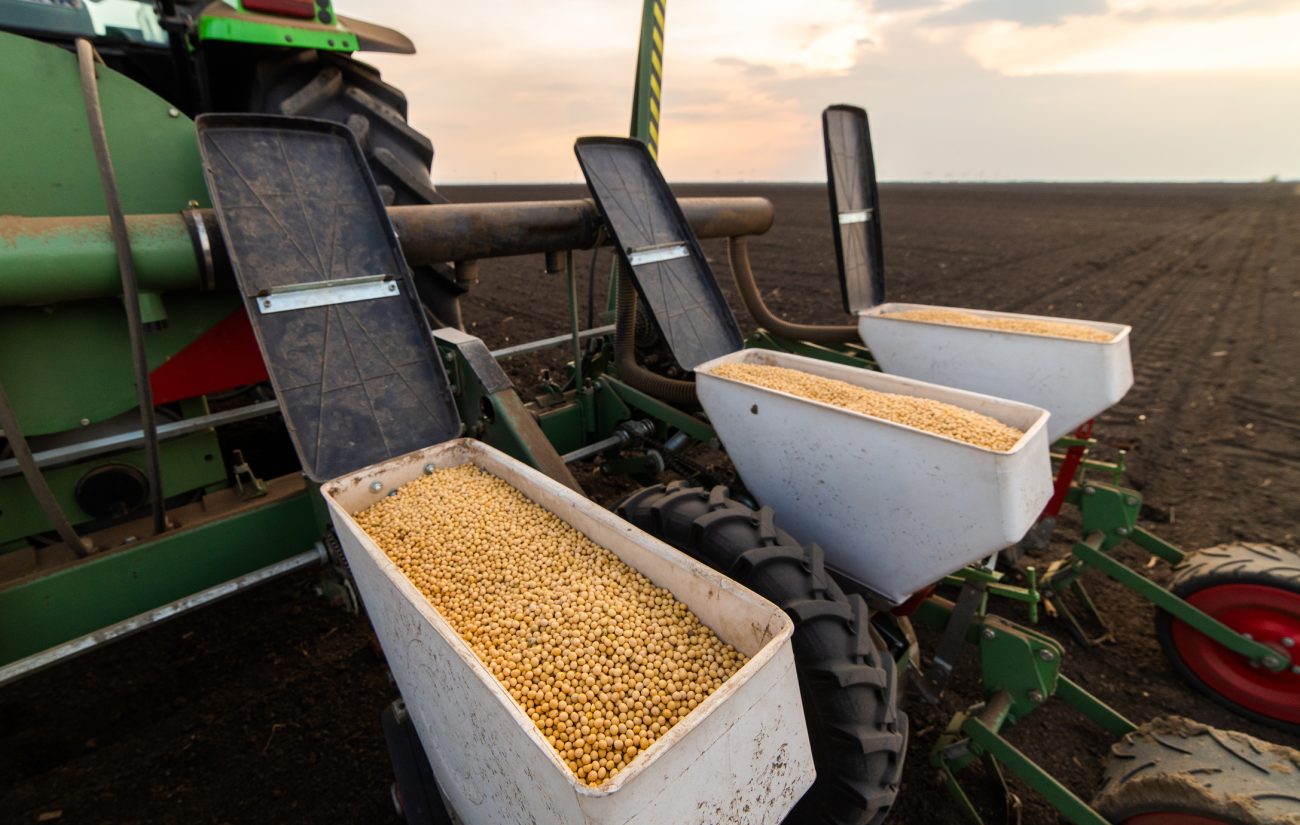
CBOT Weekly: USDA predicts declines in planting intentions
Declines in projected planting intentions for 2026/27 were not as big as the market expected, after the United States Department of Agriculture released its estimates on March 31. The USDA also issued its quarterly grain stocks report with stocks for soybeans bigger than anticipated, while those for corn were smaller and wheat virtually matched the average trade guess.
European traders said Brazil had made a rare purchase of German wheat. When it does do deals outside South America, Brazil usually imports wheat from Canada and the U.S.
Brazil’s crop supply agency Conab forecasts Brazil’s wheat production at 4.4 million tonnes, compared to 5.7 million tonnes last year, because of heavy rain in a short period of time. Demand for wheat, however, is between 10 million and 11 million tonnes annually.
Argentina is expected to produce 11.1 million tonnes of wheat in the 2012-13 crop year, down from the government’s previous forecast of 11.5 million tonnes due to flooding, the country’s agriculture ministry said Nov. 22.
Brazil’s Conab expects imports at seven million tonnes, 16.67 per cent more than last year and the largest since 2007. Brazil imported 7.8 million tonnes in the 2006-07 season.
Pih said at least one million tonnes will come from outside of Mercosur, the South American trade bloc, raising costs for Brazilian importers, who are also being squeezed by a weaker real, the Brazilian currency.
Consumers will also pay more for bread and pasta.
"Costs for the raw material are much higher than six months ago, around 40 per cent," Pih said.
Considering the effect of exchange rates, the increase in real costs for the period was 60 per cent, he said. The Brazilian currency has depreciated about 11 per cent this year against the dollar.
— Reporting for Reuters by Roberto Samora, writing by Caroline Stauffer.