
A fungicide used against various diseases in potatoes, beans and various vegetable crops has picked up registration for use in apple orchards and carrot and ginseng plots.
Syngenta Canada on Tuesday announced federal approval for the expanded label on its fluazinam product Allegro, the only crop protection product in the pyridinamine (Group 29) class of chemistry.
In apples, Allegro’s use has been granted for control of apple scab, flyspeck and sooty blotch, and for suppression of mites, the company said.
In carrot crops, Allegro is now allowed for control of white mould and alternaria leaf blight, and in ginseng, it’s registered against rhizoctonia root rot, alternaria blight and botrytis blight.
Read Also
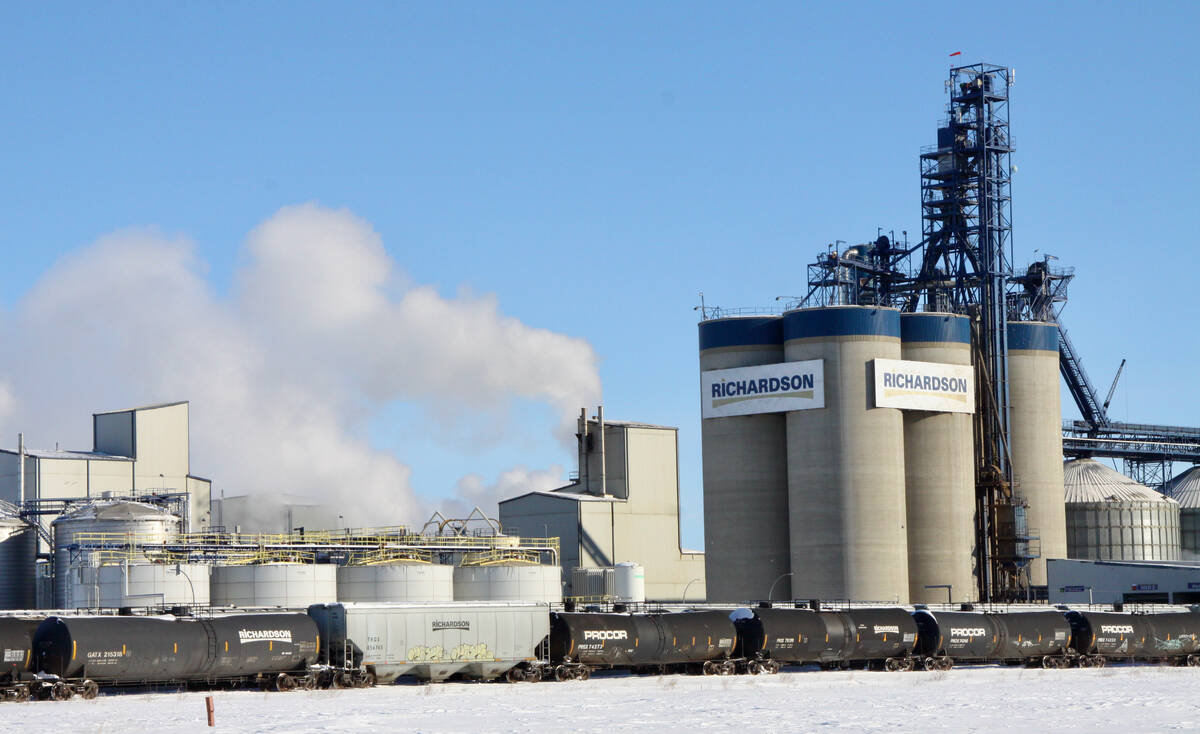
Canola, U.S. soybean crushes expanding
In calendar year 2025, the canola crushes in Canada and the United States remained above their respective five-year averages, Statistics Canada reported on March 13. While the U.S. soybean crush continued to expand, StatCan didn’t include any soybean crush data for 2025 due to confidentiality requirements under the Statistics Act.
Neighbouring crops on the product label include potatoes, beans, dry beans, brassica leafy greens, bushberries (subgroup 13B), cabbage, broccoli and cauliflower plus edible-podded legume vegetables other than peas.
A pyridinamine works against fungi by inhibiting their respiration and by reducing energy within them, thus preventing spore germination, Syngenta technical crop manager Tara McCaughey said in a release.
A product such as Allegro working against fungi in two separate sites makes development of resistant fungal strains “extremely unlikely,” McCaughey said, adding that “activity against spores also successfully isolates the disease lesions and prevents fungal spread.”
For apple growers, the product “provides control, or suppression, of most apple foliar and fruit diseases,” Syngenta customer marketing manager for horticulture Steve Gomme, said in the same release.
Unlike other apple fungicides, he said, Allegro “provides control of some of the major mites that infest apple orchards.”