
Colder temperatures are bringing the risk of frost in Western Canada from Sept. 13 to 15, according to Environment Canada, although an agronomist predicts severe damage to crops is unlikely.
A northern cold front, swooping into the Prairies, is expected to increase the chances of frost over the next few days.
Natalie Hasell, a warning preparedness meteorologist with Environment Canada in Winnipeg, said the best chances for frost this week are Tuesday night over central Alberta and Saskatchewan, and Wednesday over Manitoba.
“Most of Manitoba is in a frost risk on Wednesday night/Thursday morning,” she said.
Read Also
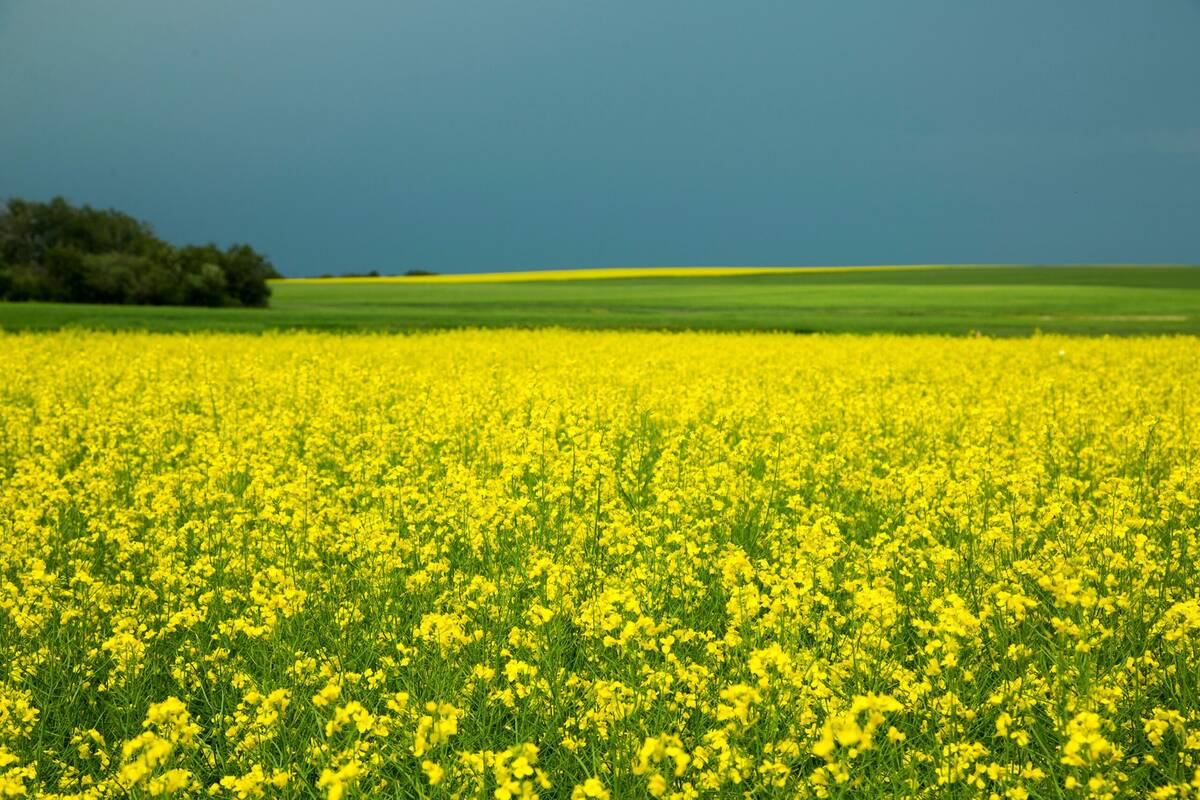
India, Japan canola crops to be steady in 2026/27 – USDA
Canola supplies for India and Japan are expected to remain relatively stable in the 2026/27 crop year, the United States Department of Agriculture said.
Temperatures will dip below 0 C over much of central Alberta and Saskatchewan Tuesday night, and in Manitoba Wednesday night, she said. Lows will range from -1 to -5 C in some areas, according to Environment Canada.
Most of Alberta, outside of the central part, will remained unscathed, Hasell said.
Despite the concerns over frost on the Prairies, severe damage likely won’t occur around temperatures near zero, according to Grant McLean, a cropping management specialist with Saskatchewan’s Agriculture Knowledge Centre at Moose Jaw.
“If it only goes to -1 or -2 C in most cases that wouldn’t be significant because frost is variable. There may be lower portions of the field where that cold temperature would pool and might experience damage, but in general -1 or -2 C in most cases wouldn’t be considered a bigger concern.”
Also, since crops are now near maturity, damage would be very low, he said.
The biggest concern is with immature crops in a late harvest, as farmers may have to pull out their crops earlier than expected, McLean said.
Apart from immature later-seeded crops in areas such as northwestern Saskatchewan, parts of the northern and midwestern U.S. Plains may be affected.
According to forecasting firm World Weather Inc., immature soybeans, corn and sugarbeets could be affected by frost in those areas.