

Feeder cattle prices in Western Canada traded very uneven last week depending on the region. Prices were $3 lower to $2 higher per hundredweight (cwt) in comparison to seven days earlier, with many factors influencing the daily attitude of buyers.
Alberta packers were buying fed cattle at $118/cwt, which is slightly below break-even values on most pen closeouts. The feeder market continues to suffer a hangover from last winter’s feedlot equity erosion. Cattle buyers appeared to shrug off the gains in April live cattle futures and the weaker feed grain complex because the nearby feeding margins remain dismal at best.
Read Also
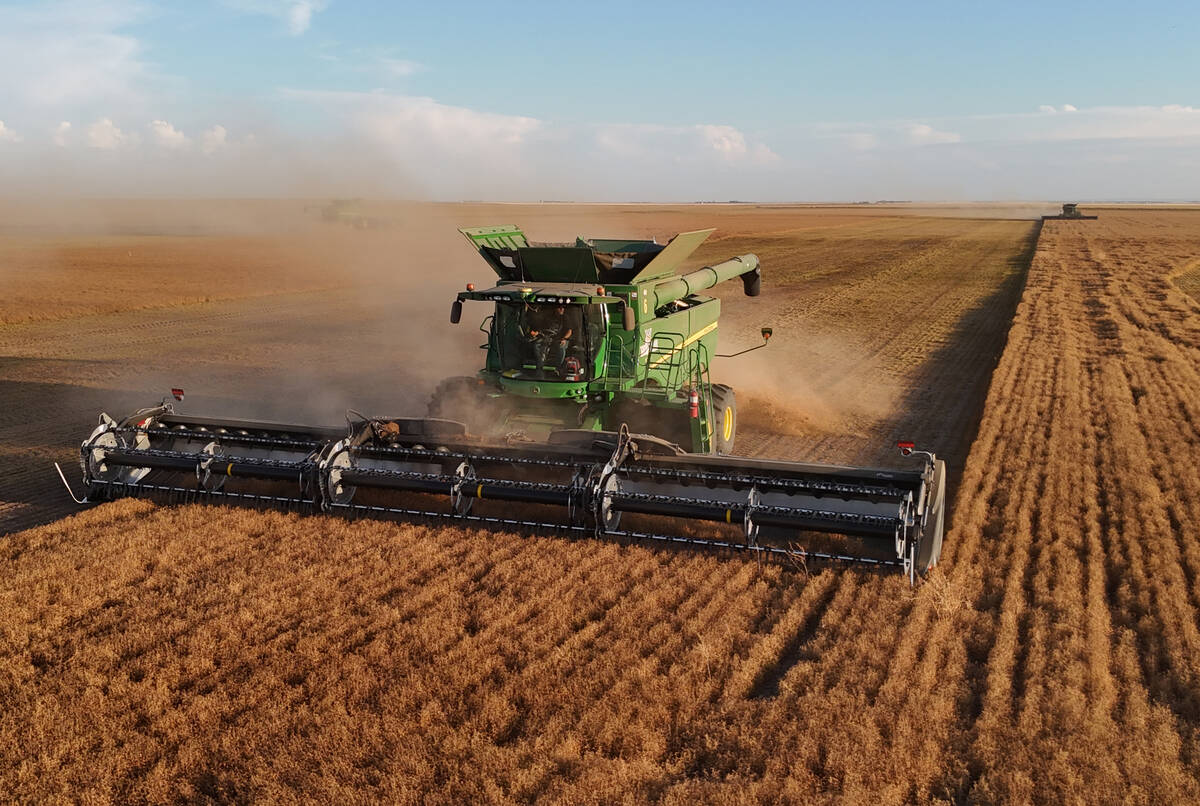
Pulse Weekly: StatCan projects fewer pea and lentil acres
Statistics Canada projected fewer pea and lentil acres to be planted this spring in its initial 2026 planting estimates released on March 5.
Alberta prices appeared to hold value in comparison to last week. Black Angus-based steers weighing just over 600 pounds sold for $172/cwt in the Lethbridge area. Charolais-cross steers weighing 710 lbs. sold for $156/cwt in the same region; exotic steers weighing 850 lbs. sold for $147/cwt just south of Calgary.
Softer wholesale beef prices and economic uncertainty provided little incentive to pay higher values for replacement cattle. There are many fears due to the U.S. government shutdown. Coffee shops were full of discussion of an economic meltdown if the U.S. government misses its debt payments later in the month; another example is the food stamp program, which will run empty at the end of October if government doesn’t open. Cattle buyers quickly pulled in their hands when the media turned extremely negative. Beef demand is once again at the mercy of politicians, which can have severe consequences on the feeder market.
The uncertainty in the beef complex will continue if there is no resolution to the U.S. government shutdown over the next week. Ranchers will be hesitant to sell cattle and feedlots managers will move to the sidelines. Cattle markets do not like this uncertainty, which usually results in a softer price structure.
— Jerry Klassen is a commodity market analyst in Winnipeg and maintains an interest in the family feedlot in southern Alberta. He writes an in-depth biweekly commentary, Canadian Feedlot and Cattle Market Analysis, for feedlot operators in Canada. He can be reached by email at [email protected] for questions or comments.