
The results are in for disease prevalence in Alberta fields during 2025, with emerging trends giving producers a glimpse at what to be wary of in 2026.
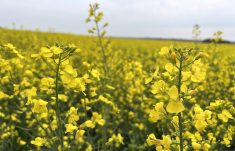
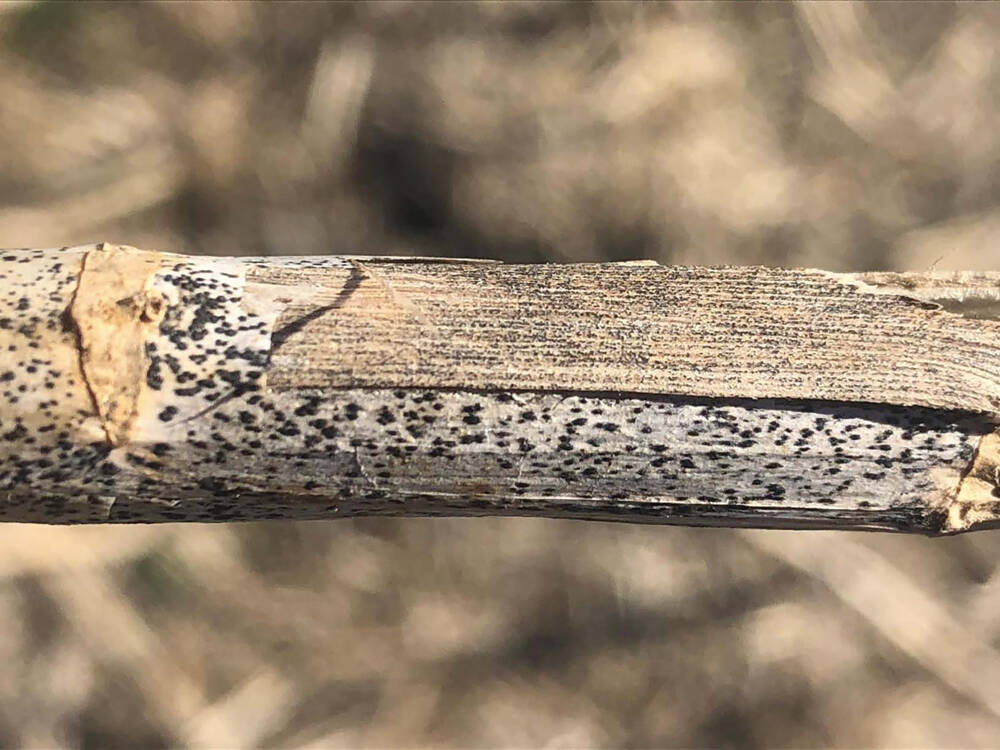
Verticillium stripe has become more prevalent in canola and is not easy to recognize because symptoms mimic other diseases like blackleg or sclerotinia. It’s important for farmers to familiarize themselves with the disease, as it’s expected to become a greater issue moving forward.
WHY IT MATTERS: Tracking historical trends in crop diseases in Alberta can give farmers a head start in preventative measures for present growing seasons.
Read Also
Rural vet clinics can apply for $10K grant to hire summer veterinary students
Alberta rural vet clinics can apply for up to $10,000 to hire a summer veterinary student. SCAP-funded pilot runs May to August 2026.
“It’s here, and it’s going to get worse,” said Michael Harding, crop assurance program lead at Alberta Agriculture and Irrigation, in his disease update for 2025 at the Irrigated Crop Production Update in Lethbridge, Alta.

Segwaying into stripe rust, it has a hard time surviving in open conditions with little snow cover paired with cold temperatures. But, Mother Nature has a way of changing her mind.
“Based on the forecast, I don’t think we’re going to have a lot of stripe rust overwintering in southern Alberta. But, anywhere that there’s snow pack and mild winter conditions, it could survive. So we should keep an eye out for it showing up, and if it shows up early, it could be a real problem, especially in susceptible cultivars,” said Harding.
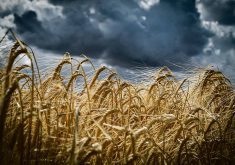
A dedicated head survey in 2025 showed out of 287 wheat fields processed so far, 28 tested positive for ergot, with the near 10 per cent ratio high compared to previous years.
In one sample, 1.4 per cent of the grain by weight consisted of ergot bodies, indicating a severe problem in that field.
“That is horrible. That sample was a 580 gram sample, and it had over 500 ergot bodies in it. So ergot was a real problem in some fields this year,” said Harding.
The survey is ongoing, with about 300 out of 450 total fields for wheat and barley processed. The final results will be released when the analysis is complete.
“That’s a lot of ergot bodies that are getting returned to the soil at harvest. So there could be some fields that have a lot of ergot. You don’t want to grow an ergot susceptible crop in a field that had lots of it in 2025,” said Harding.
For pulse growers of lentils and peas, if you are seeing root rot and it is getting worse, he recommended finding out if you are dealing with aphanomyces or fusarium or both.
“You are going to march to the drum of the aphanomyces. If it is there, you need to manage the field. When you do that you will also be managing fusarium, so it’s a good idea to do testing,” said Harding.
In 2025, 395 canola fields in Alberta were visited, striving for one per cent of canola acres in every county. There were 98 per cent which showed black-leg symptoms, with 44 per cent of plants affected.
Clubroot was found in eight per cent of fields and two per cent of plants. Sclerotinia affected almost half the fields and eight per cent of plants. Verticillium was minimal at just under one per cent in fields and only a few positive plants.
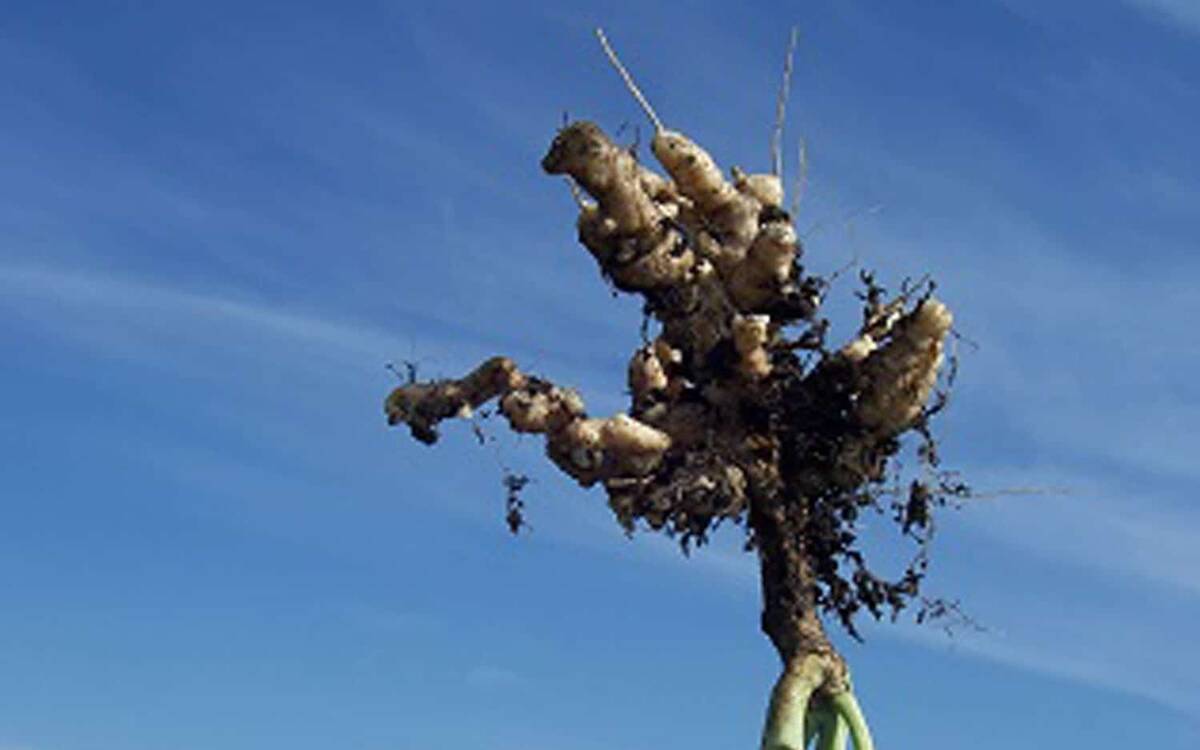
Zooming the microscope tighter to southern Alberta where irrigated crops are most common, the scouting area featured 90 fields. Black leg was more prominent in southern Alberta fields, but less sclerotinia to go with no club root or verticillium being found in southern Alberta fields.
“We do have irrigated fields in southern Alberta that have club root (historically), but not that many, and it’s really not spreading nearly as quickly in southern Alberta as it is in the other parts of the province,” said Harding.
About 95 per cent of 250 wheat fields surveyed in Alberta in 2025 showed some leaf spot symptoms and 35 per cent of the plants. On average, around 11 per cent of the flag leaf area was covered by leaf spot, with Harding noting some fields had much higher severity.
Stripe rust was found in 5.6 per cent of fields during the initial survey shortly after heading, but spread to 50 per cent of fields in southern Alberta by August.
“When striped rust shows up, it can spread really quickly. We went back about three weeks after this survey and looked at the same fields. The cultivars that had good resistance, you barely can find the stripe and then the susceptible varieties, some of them were devastated by this disease. But, it did show up late enough that it in lot of fields, it wasn’t that big of an issue,” said Harding.
Powdery mildew, wheat streak mosaic and bacterial leaf streak were also observed, with wheat streak mosaic found in just over eight per cent and bacterial leaf streak in four per cent of fields.
The prevalence of these diseases was similar in southern Alberta, though the severity (per cent diseased flag leaf area) was almost half that of the provincial average.
In historical disease trends, the most commonly-occurring disease in canola is black leg, followed by sclerotinia.
“In some years, that’s the second most common. In some years, it’s almost the least common depending on how much rainfall we get, usually around July,” said Harding.
In wheat, fungal leaf spots such as tan spot and septoria are by far the most common. Bacterial leaf streak and wheat streak mosaic have also appeared prominently in some years.
In barley, fungal leaf spots including scald and net blotch are consistently the most widespread. Loose smut and stripe rust are also present.
In pulses, root rot is the most frequently found disease in both pea and lentil fields. Other diseases such as chocolate spot and Alternaria blight are notable in faba bean.
Fusarium has been present as the most consistently common disease in garlic, with Aster yellows and stem and bulb nematode rising in prominence more recently.
Harding encouraged farmers to use disease scouting cards, the Prairie Crop Disease Monitoring Network and the Canada Canola Council of Canada as resources to help battle crop-specific diseases.