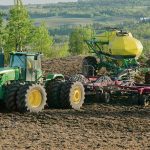

After a virtual harvest stand still, with recent higher temperatures and warm winds aiding the progress, producers have welcomed the turn in weather and the provincial harvest experienced a bit of thrive. At this time last week almost 50 percent of this years’ harvest was complete. This weeks’ survey shows an increase of 28 per cent moving up to 78 per cent of the crops in the bin. Both the North East and North West moved up 35 points, the Peace and Central moved slightly over 30 and the South moved up 11 points. Provincially, 22 per cent of canola has been swathed. With the exception of the Peace region, the majority of peas have been harvested. Harvest has normally progressed past 90 per cent and not reported on at this time so five year averages are not available. We can however, make a comparison to 2016 crop year where provincial progress was 3 points behind the current 78 per cent. Harvest numbers are substantially improving and producers are relying on a promising forecast to close out this year’s harvest season.
Read Also

100 years of sweet success: Alberta Sugar Beet Growers overcome tough ’25 season
From tense contract negotiations in Montreal to a record-breaking “mad rush” planting in May, the Alberta Sugar Beet Growers’ 100th year was anything but predictable. Here’s how southern Alberta producers managed to beat the five-year sugar content average and navigate local disease pressures to deliver over 726,000 tonnes.
The fields that were flattened by snow are proving difficult to pick up and are slowing down harvest. Some of these acres may end up baled or grazed. Livestock producers are happy to be able to finally turn cattle into stubble fields to augment their feed supply. The moisture received in September and early October is now filtering down to a sub-surface level and ratings of good have increased 4 percentage points.