Indications that farmers, analysts and traders have started to lose trust in the data from the United States Department of Agriculture (USDA) is hardly a surprise.
Reuters reported as such on Feb. 10, noting that deep staff cuts to the department made by the Trump administration have been seen as a main culprit. Reuters said there was growing skepticism in the USDA’s corn acres, which has concerned those who depend on the ups and downs of corn futures at the Chicago Board of Trade.
Corn acres and distrust
Read Also
Nortera’s Lethbridge plant closure ends 75 years of frozen vegetable processing in southern Alberta
Quebec-based Nortera Foods is closing its Lethbridge frozen vegetable facility in June as part of a strategic restructuring, ending 75-year processing run in region.
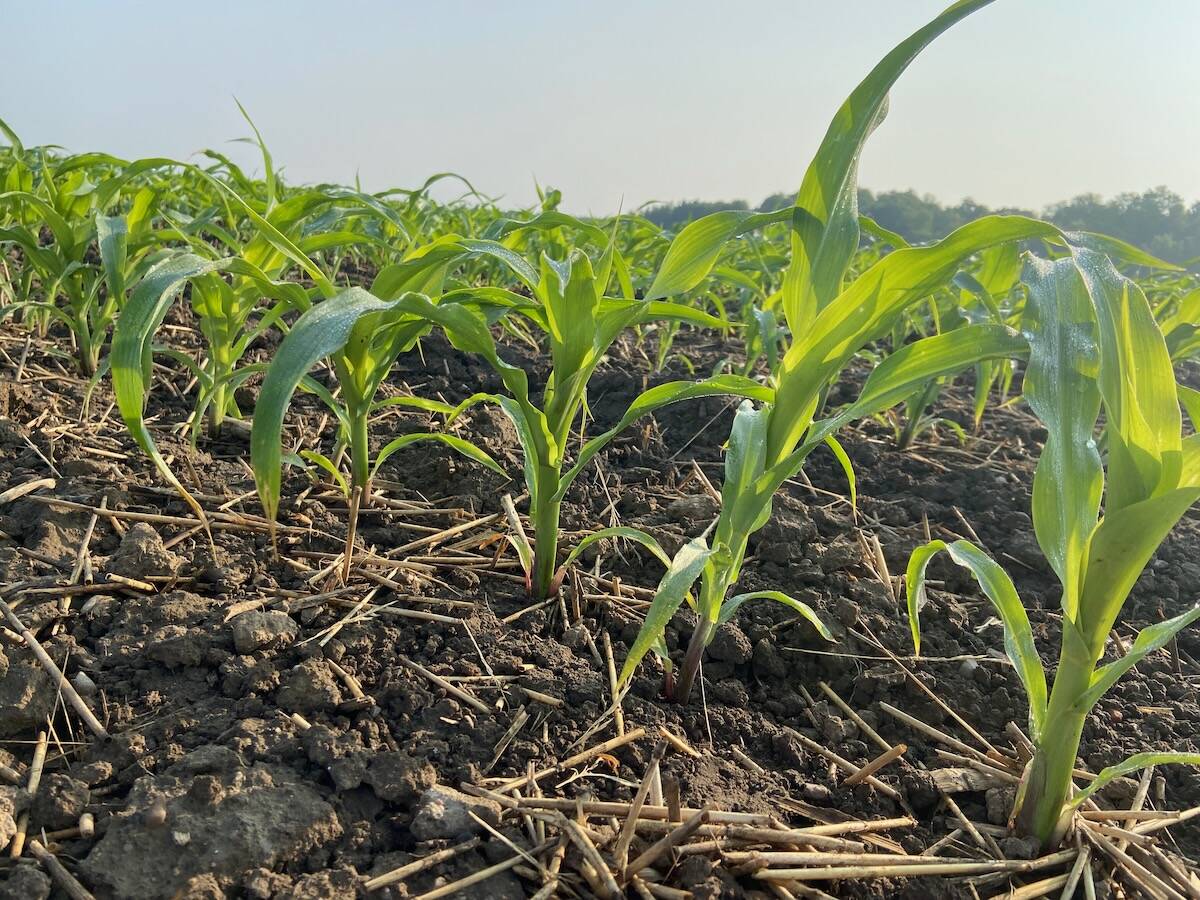
The crux of the matter is the USDA’s corn estimates from June 2025 compared to those this January. Last month, the department finalized 2025/26 corn acres at 98.8 million planted and 91.3 million harvested. Those numbers are up 8.7 per cent and 1.4 per cent, respectively, from 2024/25.
In June, the USDA estimated 2025/26 planted corn acres at 95.3 million. Harvested acres were projected to be 87.4 million.
It’s a given that adjustments will be made over time, but the scope of the adjustment has the corn industry worried about the quality of the data from the USDA. After all, the USDA is widely considered to be among the best sources for such information, be it from farmer surveys or model-based analysis. In terms of accuracy, the USDA has typically been considered a gold standard.
Lack of willing farmer participation in the USDA surveys is part of the problem. That’s compounded by fewer staff interpreting and processing that data.
There are always going to be skeptics when it comes to such an information gathering process. It’s the level of that distrust that can become disturbing.
Canola harvest
As a reporter, I’ve often compared the numbers coming from Statistics Canada (StatCan) and Agriculture and Agri-Food Canada to what the USDA says about Canada.
I marked with some amazement how close StatCan and the USDA came to estimating the 2025/26 Canadian canola harvest. StatCan pegged it at 21.80 million tonnes, while the USDA projected 22 million. That told me that StatCan was likely pretty close to the amount of canola.
Unfortunately, the USDA’s reports on other countries have also come under scrutiny — again, because there are far fewer staff to oversee gathering that information.
The USDA now is looking inward. It’s trying to figure out what happened with its corn numbers and how to rebuild the credibility it’s lost.
Let’s hope effective solutions are put in place that keep this treasure trove of information coming.