
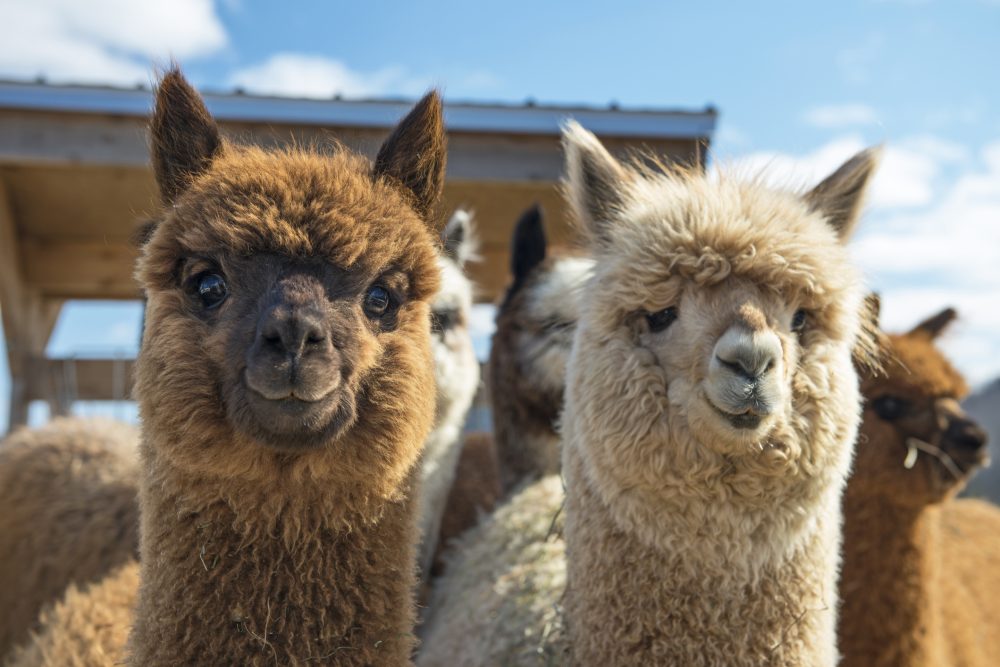
The bird flu strain that has infected dairy cattle herds in nine U.S. states has been detected in alpacas, says the United States Department of Agriculture (USDA).
Highly Pathogenic Avian Influenza (HPAI) H5N1 was discovered in alpacas from a location where HPAI-affected poultry were depopulated in May 2024. The National Veterinary Services Laboratories (NVSL) also confirmed the virus strain (B3.13) is the same currently circulating in dairy cattle.
“While this HPAI confirmation is not unexpected due to the previous HPAI detection on the premises, the high amount of virus in the environment, and co-mingling of multiple livestock species on-farm, it is the first HPAI detection in alpacas,” the USDA’s Animal and Plant Health Inspection Service (APHIS) said.
Read Also

New strategies needed for Canadian agriculture to stand out in global trade
Canada may need new strategies to stand out as issues like tariffs, conflict in the Middle East and loss of faith in the World Trade Organization changing the face of global trade.
The news release did not identify the U.S. state where the strain was detected. However, the University of Minnesota identified a farm in Idaho as the location.
The polymerase chain reaction (PCR) confirmation was completed May 16. APHIS reported the confirmation to the World Organisation for Animal Health and on the HPAI livestock website upon additional gene sequencing, per APHIS policy for disease detections in new species.
According to Reuters, bird flu in the United States has infected over 90 million chickens, more than 9,000 wild birds and 52 dairy herds since 2022.
Two farm workers have also been diagnosed with the virus this year.
The strain found in U.S. dairy herds has not been identified in their Canadian counterparts to date.