
Chicago | Reuters — U.S. renewable diesel production capacity will more than double to about five billion gallons by 2024 from about two billion gallons, Bunge CEO Greg Heckman said on Tuesday.
The agricultural commodities trader has not altered its own capacity plans due to a U.S. government proposal on biofuels announced last week, Heckman said on a webcast. “Demand is up,” he said.
Under the plan, announced by the U.S Environmental Protection Agency, oil refiners will be required to add 20.82 billion gallons of biofuels to their fuel in 2023, 21.87 billion gallons in 2024 and 22.68 billion gallons in 2025.
Read Also
Ukraine wheat exports remain low amid Russian attacks on ports, weak demand
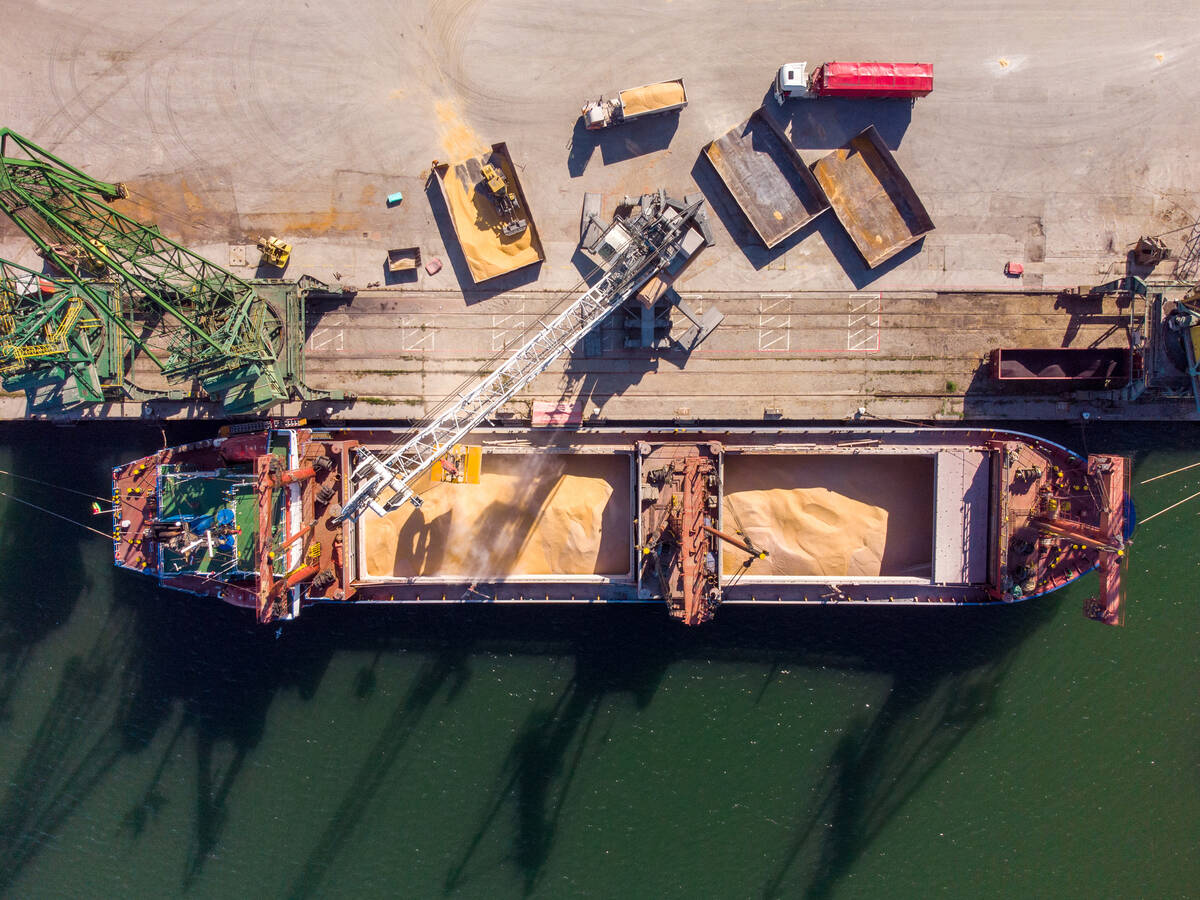
Ukraine’s wheat exports remained relatively low in the first half of January amid Russian attacks on Ukrainian seaports and low external demand, data from the country’s grain traders union UGA showed on Wednesday.
Some analysts said the proposal’s increase in the amount of biofuels that refiners must use was not as great as they expected — a view that has pressured shares of Bunge and rival ADM.
The proposal “calls for a surprisingly low amount of growth” in the requirement for biofuels use, JP Morgan analysts said in a note on Tuesday. The sector could have an oversupply of renewable diesel and delays or cancellations by companies of capacity expansion without large enough mandates, the firm said.
“It’s sure not affecting us,” Heckman said of the EPA proposal. “We’ve been making our analysis for the long term.”
Bunge and Chevron formed a joint venture last year and announced plans to expand capacity by 2024 at Bunge facilities in Illinois and Louisiana that crush soybeans, which can be used to produce soy-based diesel.
Separately, Heckman said it makes “complete sense” for China to add Brazil as a supplier of corn, a move that threatens U.S. grain exports to China. Chinese customs updated its list of approved Brazilian corn exporters last month, including facilities owned by Bunge, ADM and others.
In Ukraine, the war has likely been a “net positive” for Bunge because the company has needed to manage more risk for customers, Heckman said. An agreement to maintain an export corridor for Ukrainian grain has helped bring down food-price inflation, though capacity has not returned to pre-war levels, he said.
— Tom Polansek reports on agriculture and ag commodities for Reuters from Chicago.