

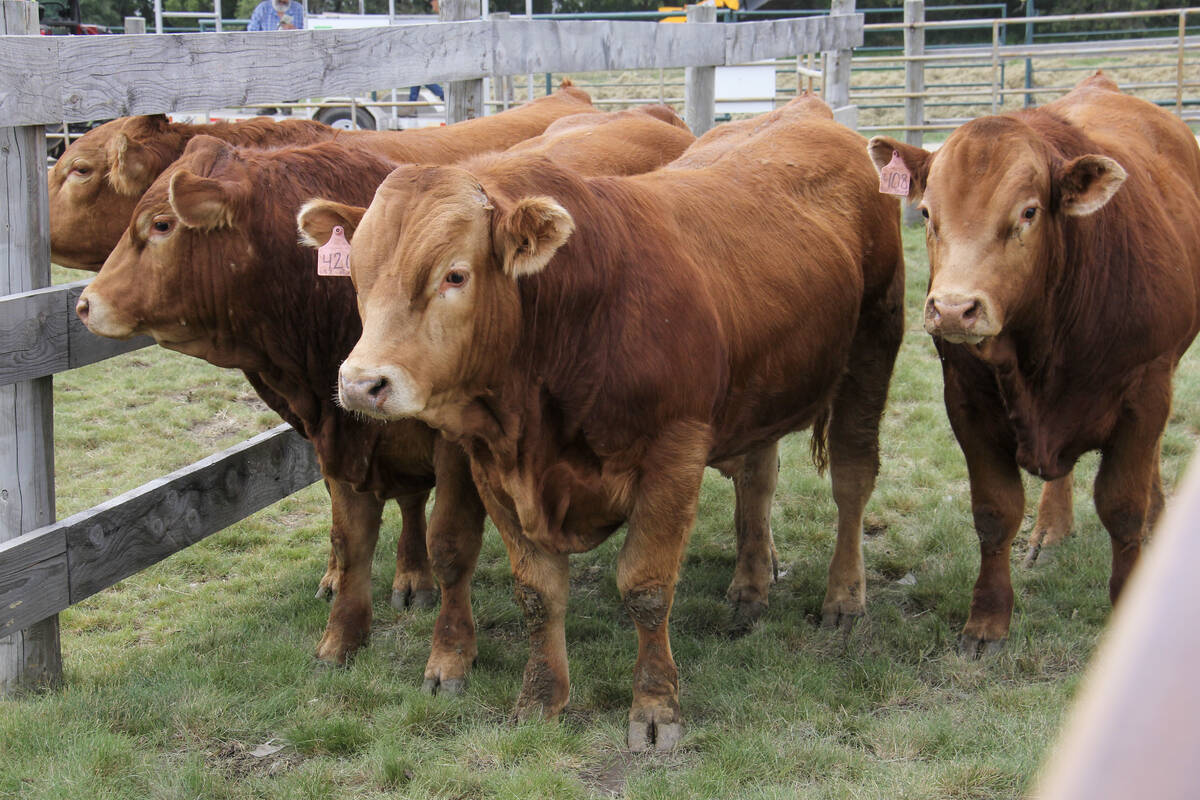
The Canadian cattle herd was larger on Jan. 1, 2026 than it was one year prior — the first year-over-year increase since 2018, Statistics Canada reported on Friday.
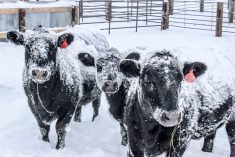
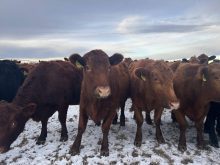
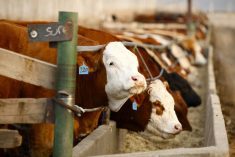
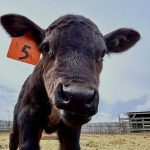
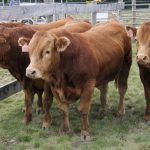
Canadian farmers and ranchers held 11.1 million cattle and calves on Jan. 1, up 2.5 per cent from one year before. Inventories rose across all categories of cattle. Beef heifers for breeding were up 4.8 per cent and beef cows were up 1.9 per cent.
Producers held 3.6 million calves, 4.3 per cent more than a year prior. This was mainly due to a 42.7 per cent increase in international imports of calves between July and December.
Read Also
Health Canada stops sales of coccidiosis medication Deccox on procedural issue
Deccox, a medication to prevent coccidiosis in calves and other livestock, is temporarily off the market after Health Canada issued a stop sale order earlier this month.
In the last six months of the year, slaughter of cattle and calves fell by 6.5 per cent to 1.6 million head, StatCan said. International exports dropped by 8.9 per cent to 361,300 head. Despite decreases, feeder and slaughter cattle prices climbed to record highs over the latter half of 2025 on global demand.
Hog inventories down
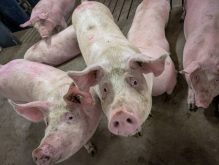
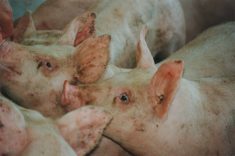
Canadian hog farmers reported 13.9 million hogs on farms as of Jan. 1, down 0.8 per cent from one year prior. They reported 1.2 million sows and gilts — up 0.4 per cent. The number of boars was unchanged at 15,300 head.
The pig crop for the second half of 2025 rose by three per cent year-over-year to 15.2 million. StatCan attributed this to an increase in demand from processors and international trade.
International exports of live hogs were up eight per cent year over year at 3.5 million head. Hog slaughter rose by 1.8 per cent to 10.9 million head.
Sheep and lamb inventory up
Canadian sheep and lamb inventories rose by three per cent year over year to 833,000 head.
The sheep breeding herd was up 2.2 per cent as inventories of ewes and replacement lambs both increased. Ram numbers were stable.
Sheep and lamb slaughter fell by 2.9 per cent year over year between July and December. Average producer prices for slaughter lambs fell well below those in the previous six months.
Between July and December, international exports of live sheep and lambs rose by 19.5 per cent to 4,900 head.