
Glacier FarmMedia — Declines in projected planting intentions for 2026/27 were not as big as the market expected, after the United States Department of Agriculture released its estimates on March 31.
The USDA also issued its quarterly grain stocks report with stocks for soybeans bigger than anticipated, while those for corn were smaller and wheat virtually matched the average trade guess.
USDA forecasts seeded acres for 2026/27
Read Also
February canola crush up from 2025, StatCan reports
More canola was crushed in February than a year ago, Statistics Canada reported on March 31. StatCan pegged last month’s domestic crush at 951,353 tonnes, up about 7.8 per cent from February 2025.
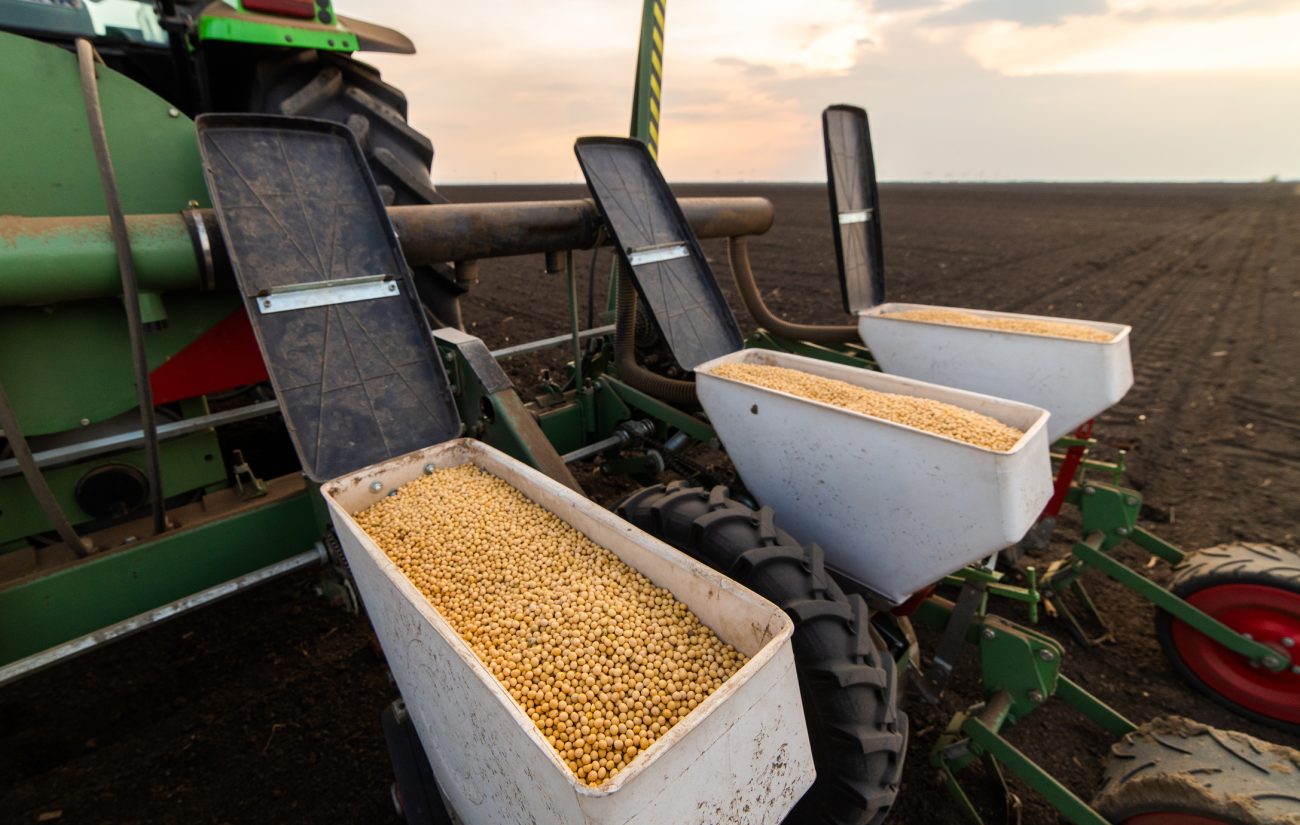
The USDA predicted corn planting intentions at 95.34 million acres, which is down from 98.79 million acres U.S. farmers seeded last year, but less than the market projection of 94.37 million.
The shift away from corn to soybeans was not as large as the trade believed there was going to be.
“That was the big conversation, how many corn acres there was going to be, especially with the beans this year,” said Ryan Etnner, broker with Allendale Inc. in McHenry, Illinois.
- For daily market updates, visit the Western Producer Markets Desk
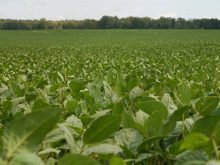
The report placed soybean acres at 84.70 million, up from 81.22 million last year, but short of the market projection of 85.55 million.
Ettner said the total wheat acres caught his eye, with how close the USDA was to the trade guess. The department placed its forecast at 43.78 million acres and trade called for 44.79 million. Last year, farmers planted 45.33 million acres of wheat.
Fertilizer issues could be down the road
The broker added that rising fertilizer prices did not have as great an effect on the switch from corn to soybeans. He said most U.S. farmers apply their fertilizer in the fall and what will go on the fields this spring was largely bought before the Middle East war.
“The bigger concern is fall of this year, if things don’t calm down over there by that point,” Ettner said. “Most people are assuming this is a larger 2027 issue if the war is still going on by the fall.”
USDA Planting Intentions (Millions of acres)
| Crop | 2025/26 | 2026/26 | Difference | Market |
|---|---|---|---|---|
| Soybeans | 81.22 | 84.70 | +3.48 | 85.55 |
| Corn | 98.79 | 95.34 | -3.45 | 94.37 |
| All wheat | 45.33 | 43.78 | -1.55 | 44.79 |
| Winter wheat | 33.15 | 32.41 | -0.74 | n/a |
| Spring wheat | 9.99 | 9.42 | -0.57 | n/a |
| Durum | 2.19 | 1.95 | -0.24 | n/a |
1 acre = 0.405 hectares
Grain stocks
As for grain stocks as of March 1, Ettner said there was some pre-report speculation that total corn could be as high as 9.30 billion bushels.
“The quarterly stocks all came in line. The one concern was ‘what if corn had come in bigger?’ and it didn’t,” Ettner said.
He added that corn stocks were going to be very large simply because of the size of the 2025/26 harvest.
USDA Grain Stocks as of March 1 (Billions of bushels)
| Crop | March 2025 | March 2026 | Difference | Market |
|---|---|---|---|---|
| Soybeans | 1.910 | 2.104 | +0.194 | 2.067 |
| Corn | 8.147 | 9.020 | +0.873 | 9.104 |
| All wheat | 1.237 | 1.300 | +0.063 | 1.310 |