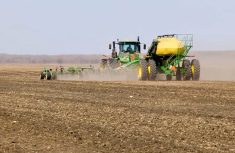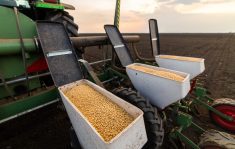

CNS — Flooding on the eastern edge of the Prairies has thrown into question how many flax acres will be harvested this year. Dozens of communities in southeast Saskatchewan and southwest Manitoba have been inundated with water resulting in flooded fields and stalled crops.
Will Hill, the president of the Flax Council of Canada, says the industry initially expected to see 1.7 million acres of flax planted this year.
However that estimate was reduced to 1.5 million acres in the June planting intentions report by Statistics Canada. In 2013, Canada grew 1.0 million acres of flax.
Read Also
India, Japan canola crops to be steady in 2026/27 – USDA
Canola supplies for India and Japan are expected to remain relatively stable in the 2026/27 crop year, the United States Department of Agriculture said.
“I think we’re a little bit up in the air right now as to where they will end up with the excess moisture we’re feeling in Manitoba and Saskatchewan.”
At the same time Hill doesn’t want to look too far ahead, noting the flooding occurred shortly after the second report came out.
“I think we’re going to have to see another survey done.”
According to a trade publication, flax is one of the hottest items on the Prairies right now with one analyst saying farmers could likely get prices of $15 a bushel (freight on board) at some western locations.
Prairie Ag Hot-wire was reporting a price range of $14.39 to $15.41 as of July 15.
New-crop prices are out, but so far there hasn’t been much interest, with elevators giving nominal bids of up to $12.20 per acre.
Hill says flax is holding up well relative to other commodities, and adds the carryout is being taken down to very low levels as well.
He says China stands to be a big buyer again next year, with the potential to absorb a large crop if need be.
Dave Sims writes for Commodity News Service Canada, a Winnipeg-based commodity reporting service