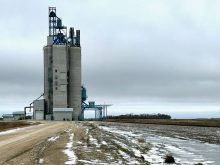

With harvest operations getting ready to being across the Prairies, the price of feed barley has seen a decline of late, and more losses are expected to occur in the next six weeks to two months.
Errol Anderson, president of Pro Market Communications in Calgary, said bids are currently bringing around $200 per tonne, but he expected values to go down once the harvest begins.
“Once we get into full blown harvest, it wouldn’t surprise me if we get down to about $185 (per tonne) or $190, and then hopefully we will start to pull out of that after harvest, maybe around late October,” Anderson said.
Read Also
AAFC projects tighter canola stocks for 2026-27
Canadian canola carryout supplies at the end of the upcoming 2026-27 marketing year will be tighter than earlier projections, according to updated supply and demand estimates from Agriculture and Agri-Food Canada, released April 17.
“The Alberta crops look pretty good, and there should be a lot of stocks coming in here. So guys who don’t have the bin space, or are looking for some cash flow, they have been selling.”
Although he expected prices will bounce back further on toward the winter, Anderson said if the global economy continues to falter, barley prices — and agricultural markets in general — will weaken.
“With the price of crude oil dropping, ethanol demand is also going down,” he said. “At current levels, ethanol margins are in the red, and if the U.S. starts to pull subsidies, 40 per cent of the corn demand is ethanol, so demand could really start to drop.”
The price of corn often serves as the catalyst for the direction of other grains and oilseeds, he noted.
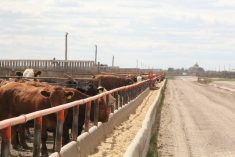
The one bit of good news for the market, he said, is that demand from feedlots has been fairly robust.
“There has been really good demand of late,” Anderson said. “Feedlots have been actively booking forward right out through March.”