
CNS Canada – The percentage of foreign control, as a percentage of total assets, in the Canadian agriculture, forestry, fishing and hunting sector was 1.6 per cent in 2016, according to data recently released by Statistics Canada.
While that’s up from 1.1 per cent in 2012, it compares with foreign control in all industries (excluding management of companies and enterprises) of 16.2 per cent. That all-industry number was down from 18.5 per cent in 2012.
Foreign control of non-financial industries in Canada was 25 per cent in total in 2016, and 9.5 per cent in the financial and insurance sector.
Read Also
Canola, U.S. soybean crushes expanding
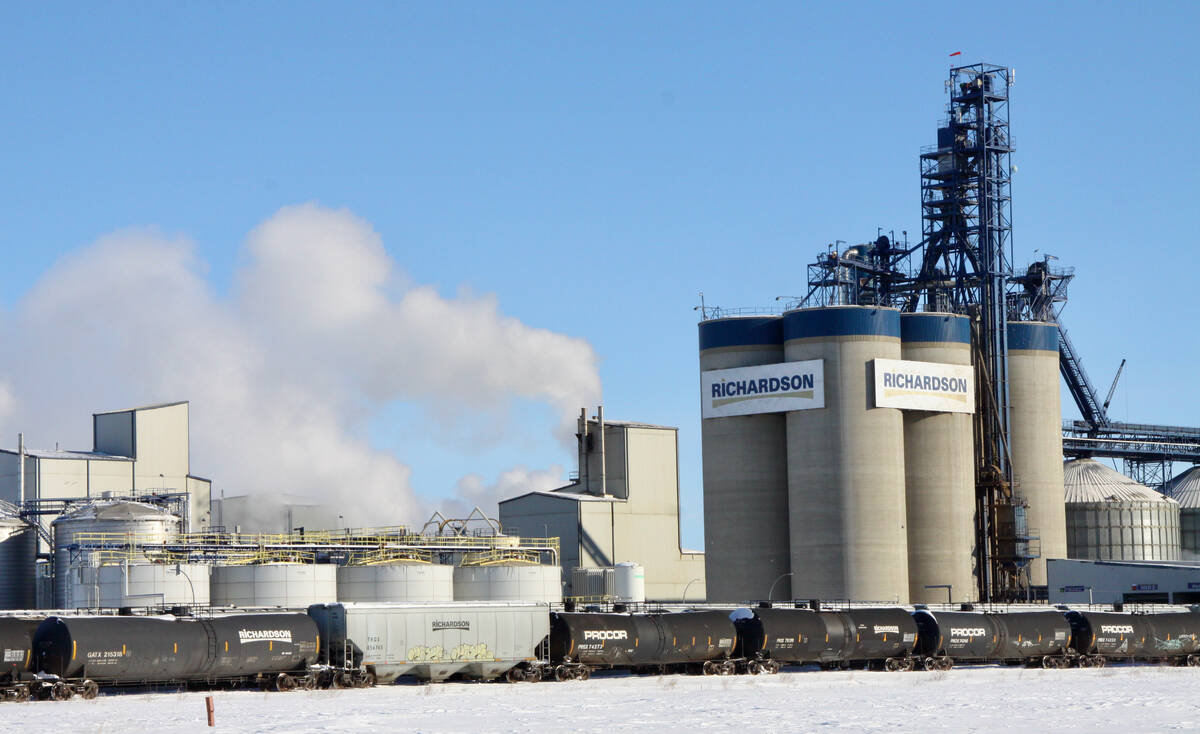
In calendar year 2025, the canola crushes in Canada and the United States remained above their respective five-year averages, Statistics Canada reported on March 13. While the U.S. soybean crush continued to expand, StatCan didn’t include any soybean crush data for 2025 due to confidentiality requirements under the Statistics Act.
After the agriculture, forestry, fishing and hunting sector, the education, healthcare, and social assistance sector had the next lowest level of foreign control, at 1.7 per cent.
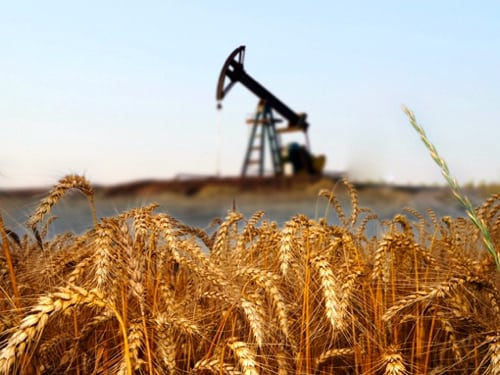
By comparison, the oil and gas extraction sector was 42.9 per cent under foreign control in 2016. That’s up from 37.4 per cent in 2012.
As a percentage of foreign control in the overall agriculture, forestry, fishing and hunting sector, 0.4 per cent was controlled by United States interests, 0.6 per cent by European Union, and 0.7 per cent were controlled by other foreign interests, according to the Statistics Canada report.
The data did not break out separate numbers of agriculture alone.