

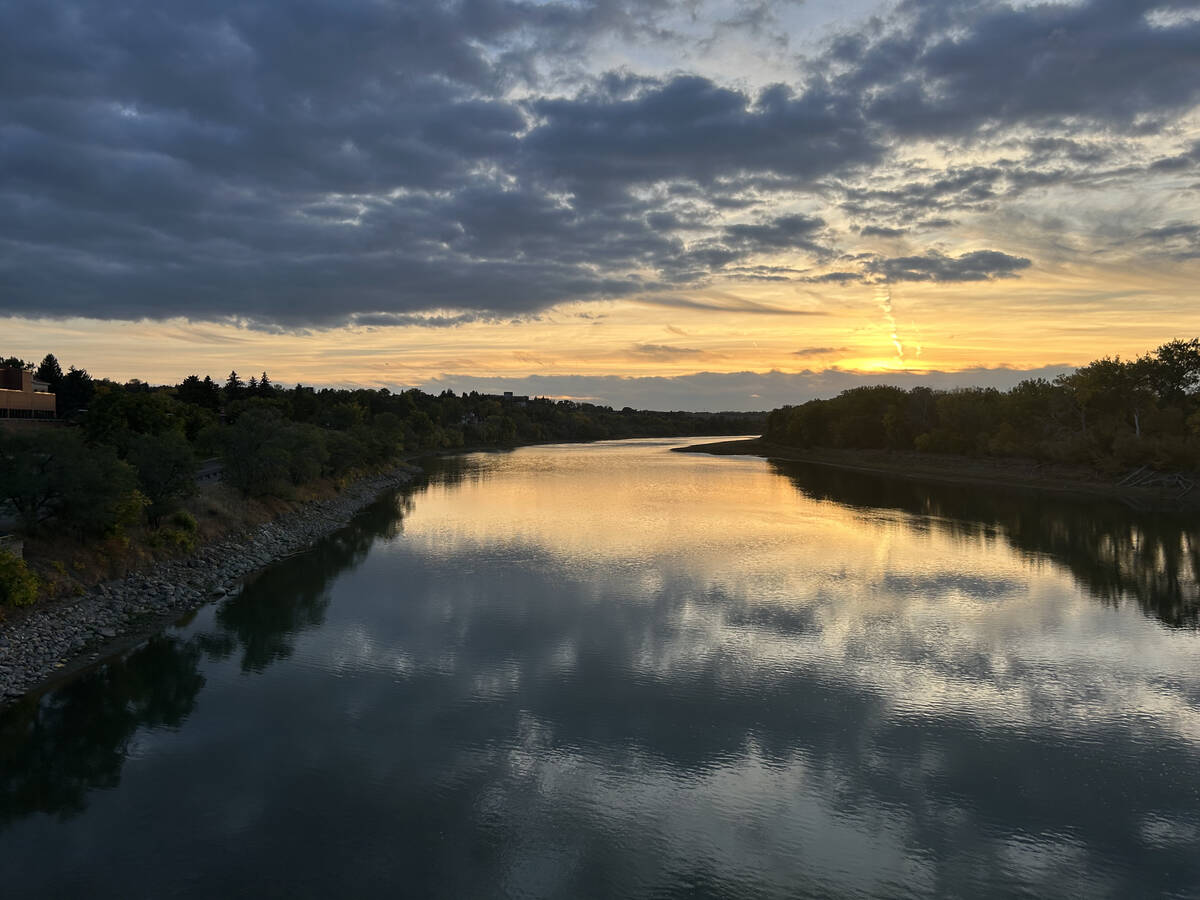
Farmers should be involved in the development of a Canadian water security strategy, the Canadian Federation of Agriculture says.
On March 22, the federal government announced it would develop such a strategy, calling it “an opportunity to discuss how we can address freshwater-related threats and opportunities,” protect freshwater ecosystems, and secure water for communities and the economy, according to a news release.
Read Also
Producers affected by bovine TB receive extended tax deferral
The Government of Canada has extended the tax deferral period for livestock producers affected by bovine tuberculosis in 2024 and 2025.
The Canada Water Agency, which was repurposed in 2024 as a stand-alone freshwater management agency separate from Environment and Climate Change Canada, will spearhead the strategy’s development.
While the announcement was scant on details of what such a strategy might look like, it said the agency will work with provinces and territories, First Nations, Inuit and Métis partners, “stakeholders across sectors” and the public.
Farmers should be among those consulted, the CFA said in a statement to Glacier FarmMedia.
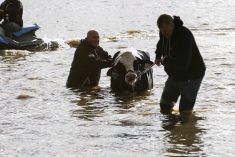
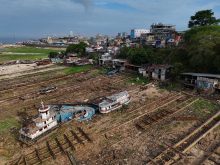
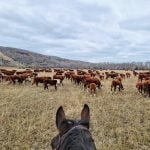
“Water security is absolutely critical for the future of Canadian farmers. Farmers in different regions of Canada have been devastated by water issues over the past few years, such as the floods in B.C., or the ongoing long-term drought in the Prairie provinces,” a federation spokesperson said.
“A lack of water has severe negative impacts on any type of farm, no matter what they grow or raise.”
Prioritizing food security, agriculture
The strategy should protect farmers and mitigate the effects of water-related events. It should also secure predictable access to water so farmers can maintain food production — for example, through effective water management policies and investment in water infrastructure, CFA said.
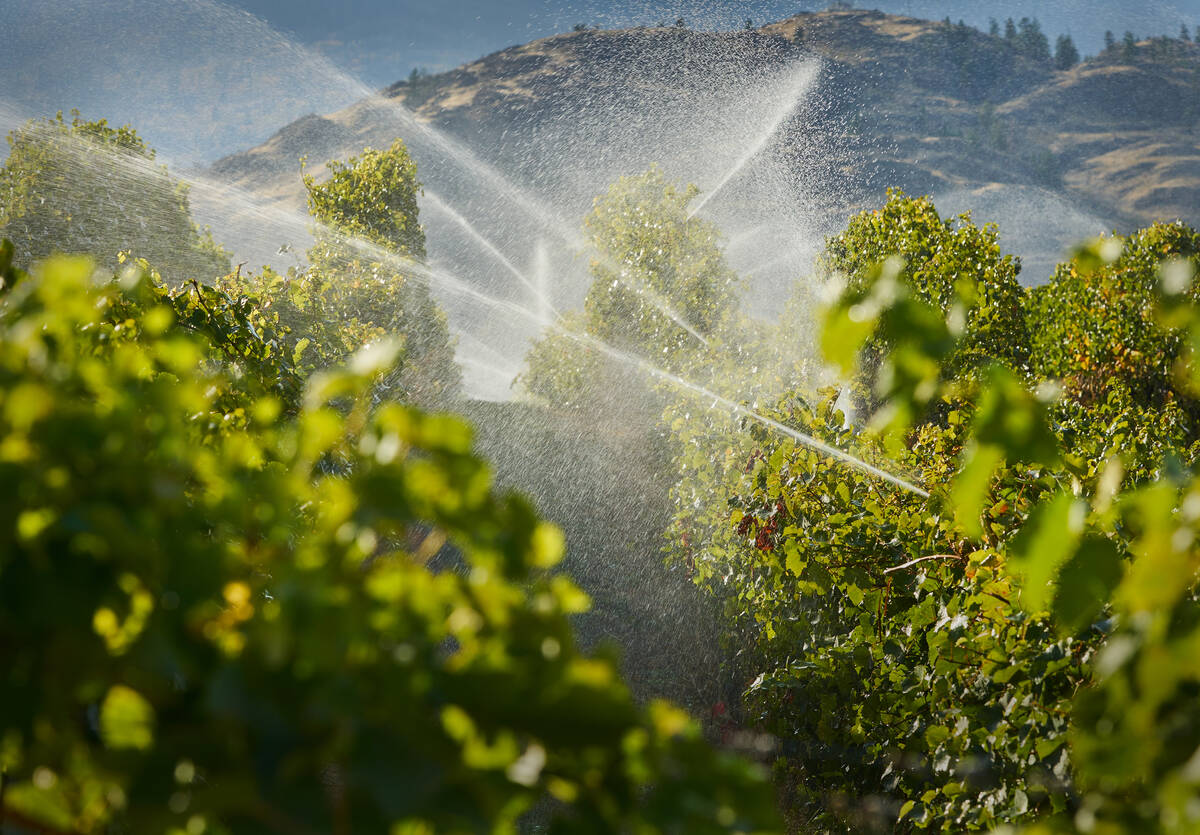
“Farmers need to make it clear that food security and agriculture production should be prioritized if there was any issues with access to water.”
“Farmers are also on the front-line of climate change, dealing with the on-ground realities of water-related events,” CFA added. “They have experience and knowledge that will be critical in developing this strategy.”
While the announcement made no specific mention of the agriculture industry, the sector will have an opportunity to share its views during the public engagement process, “recognizing that freshwater is fundamental to our economy, powering industries, agriculture, and the growth of communities,” a federal spokesperson told Glacier FarmMedia.
The federal government has not yet set timelines for consultations, but said those will be announced “in the coming months.”