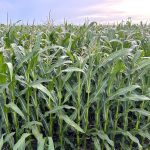

BASF’s foliar fungicide Headline has been granted a label expansion for treatment of sunflower crops against sunflower rust.
“This registration is a critical one for sunflower growers in Western Canada,” Wayne Barton, BASF Canada’s market manager for fungicides, said in a release Wednesday.
Sunflower rust is an “extremely damaging” disease, the company said, with early infections reducing yields by anywhere from 25 to 50 per cent.
According to the Manitoba disease survey, sunflower rust was present in 74 per cent of the surveyed fields in 2008, Mississauga-based BASF Canada noted.
Read Also
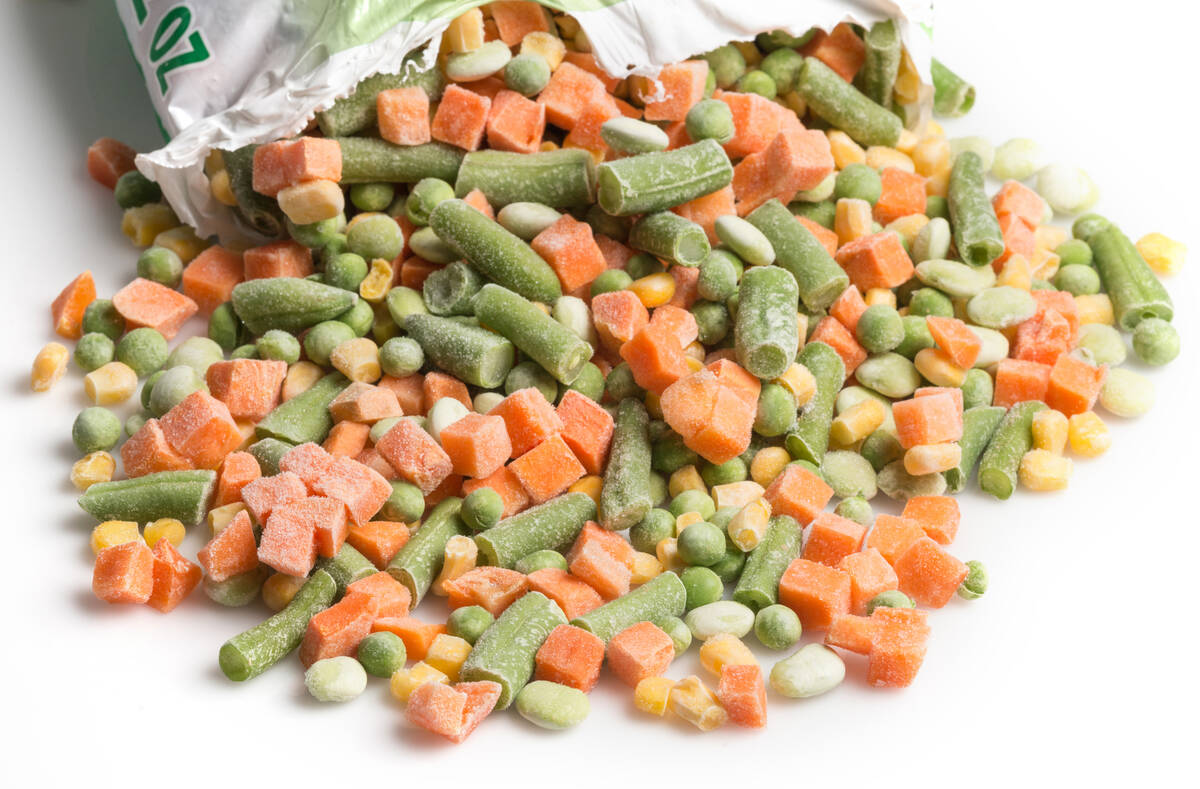
Canadian trade tribunal to examine imports of frozen, canned vegetables
Canadian officials will look into whether global imports of frozen and canned vegetables are threatening Canadian growers and processors.
The National Sunflower Association of Canada and Manitoba’s agriculture department in July 2009 supported and got an emergency use registration for Headline against sunflower rust.
“Two cases of sunflower rust have recently been confirmed in Manitoba,” Barton said Wednesday. “Fortunately, because of the delayed growing season this year, growers still have time to protect their crop from this tough-to-manage infection and protect their crops’ yield.”
Headline should be applied at 0.4 litres per hectare prior to disease development in sunflowers, the company said.
Growers should apply a second time 10 to 14 days later if disease persists, or if weather conditions favour disease development, BASF said.
Headline, a Group 11 pyraclostrobin fungicide, is already registered for disease control in cereals, lentils, field peas, dry beans, corn, flax and potatoes, among other crops.