

Glacier FarmMedia | MarketsFarm – Dryness throughout most growing areas of Manitoba accelerated seeding progress during the week ended May 25.
So far, 85 per cent of projected acres were planted by Manitoba farmers, well above the 57 per cent reported the week before. One year ago, 64 per cent of acres were planted, while the five-year average was 69 per cent.
Most places received very little precipitation over the past week. However, Snowflake and Cypress River in the Central region saw 21.8 millimetres of rain, while Glenboro in southwest Manitoba had 18.5 mm.
Read Also
Feed Grain Weekly: Seasonal gains expected this spring
Feed grain prices have not yet been affected by rising fuel costs, but will continue to rise nonetheless, said a Lethbridge-based trader.
Seasonal accumulations of precipitation were near-normal in most areas, but eastern Manitoba and eastern parts of the Interlake have seen less than 60 per cent of historical seasonal totals. On the other hand, the Southwest and parts of the Central region received approximately 150 per cent.
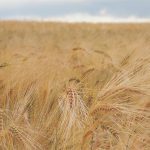
Spring wheat seeding in Manitoba is near complete with the earliest seeded fields now in the three-leaf to one-tiller stages. Grain and silage corn were 98 per cent and 94 per cent seeded, respectively, with most fields emerged and minor frost damage. Oats and barley were 89 per cent seeded, while winter wheat and fall rye are growing well.
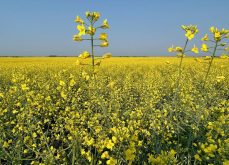
The majority of canola acres were planted over the past week and stood at 76 per cent planted. Sunflowers were 83 per cent planted, while flax was 54 per cent planted.
Many soybeans began to emerge last week while 76 per cent of acres were planted. So far, 28 per cent of dry beans were planted, including 45 per cent in the Central region.
Field pea seeding is complete with most fields emerged and the earliest seeded plants in the two- to three-node stage.
Most corn intended for silage and grazing were seeded with cereal silage seeding still underway. Alfalfa fields are growing more than grass due to the former’s roots accessing more subsoil moisture. Meanwhile, forages stand to benefit from additional rainfall. However, pastures have been affected by wildfires in the southeast corner of the province.
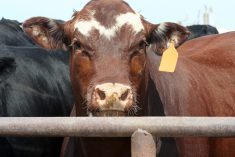
Cattle are being turned out to summer pastures, but some are waiting another week or two to ensure sufficient growth. Dugouts are in good condition considering the widespread dryness. However, lower water levels for livestock were found in Swan River and The Pas.