

CNS Canada –– Manitoba crops have suffered an array of problems due to unfavourable weather this year, and sunflowers are no exception.
“(Sunflower) crops would be looking really good if it wasn’t for the storms that have been rolling through Manitoba over the last few weeks,” said Troy Turner, agronomist with the National Sunflower Association of Canada.
“There have been a lot of areas that have been hit very hard and there are some crops that have been pushed over… generally there will be a lot less yield if that’s the case,” he said.
Read Also
Farmers expected to boost canola area beyond Statistics Canada intentions report
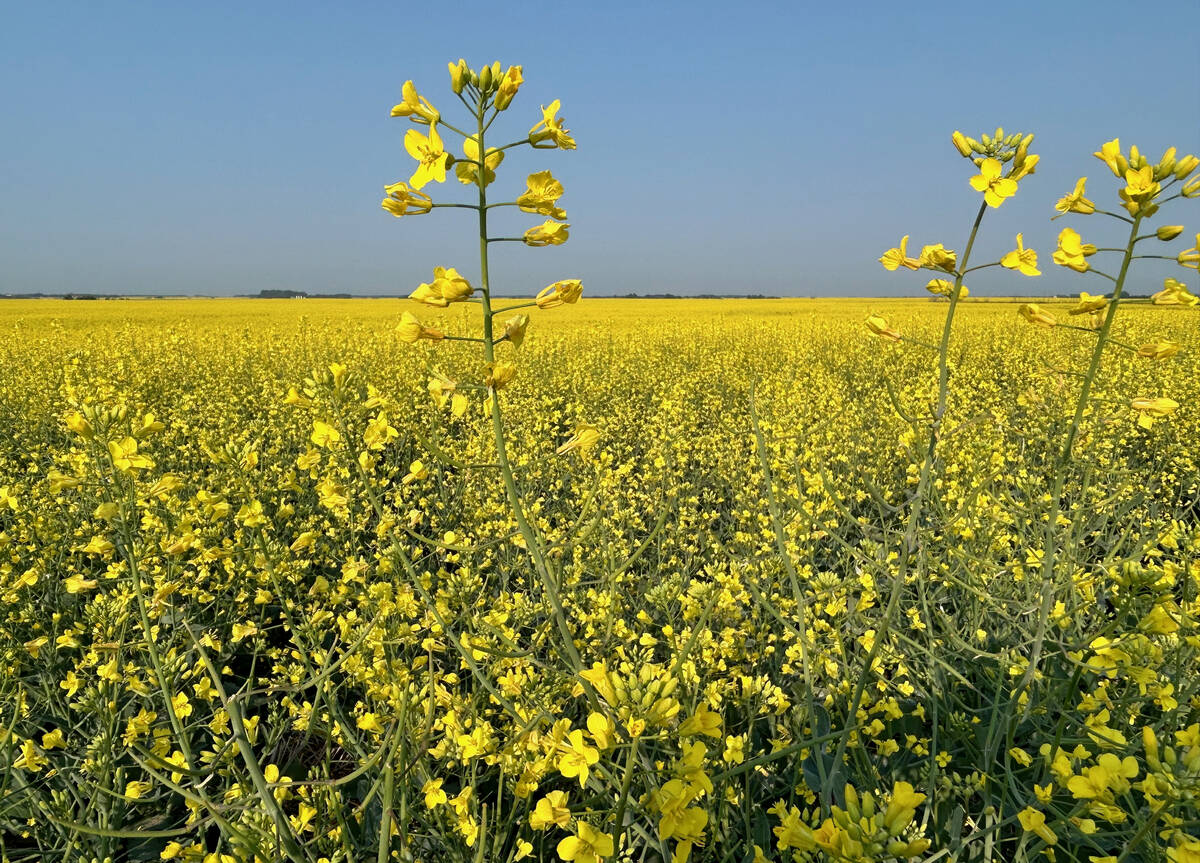
Canadian farmers might plant more canola acres than the 21.8 million that Statistics Canada reported in its seeding intentions report released on Thursday morning, analysts told Reuters.
Going into July, sunflower crops were thriving, with most producers successfully taking care of insects and controlling disease on an already good-looking crop, he said.
“It’s hard to say how many fields have been affected. I’ve talked to growers and some have lodging and others say they’re standing pretty good… we’ll know more when it comes to harvest how many of those acres will be affected.”
With lingering wet conditions and cooler weather, Turner said he’s also watching for rust damage and disease. This year is a higher pressure year for problems such as sclerotinia, he added.
“A drying trend would be a nice thing at this point to have, but we can’t control that unfortunately… everybody’s just sort of crossing their fingers,” he said. “I think most producers have done their due diligence to protect their crop as best they can at this point.”
Crops were able to get in the ground the first and second week in May, Turner said, meaning they are on schedule to come off starting the end of September.
“We’re still pretty optimistic that the crops still standing have potential for good yields,” he said. “There has been quite good moisture and good heat units this year, so the crops that haven’t been beat up by storms I’m very happy with.”
— Erin DeBooy writes for Commodity News Service Canada, a Winnipeg company specializing in grain and commodity market reporting.