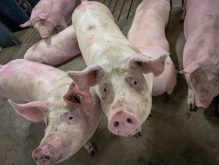


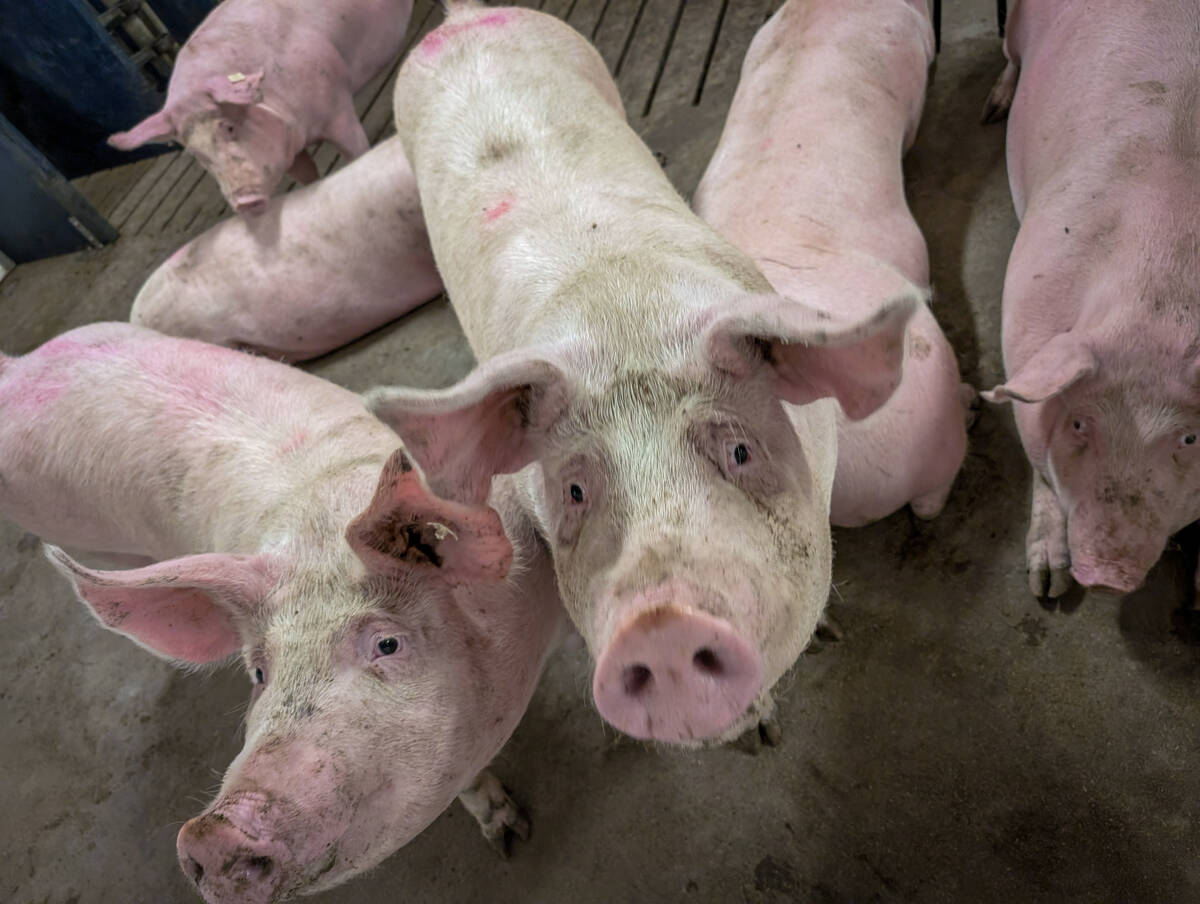
Canadian Pork Council says it supports bids to gain public acceptance for pigs gene edited for resistance to PRRS, as some consumer and agriculture groups call for mandatory labelling.
“We know domestic and international consumers will want to educate themselves on this technology, but it is important to note there is no mechanism to track or segregate this product through supply chains,” the Canadian Pork Council said in a March 3 statement.
Given the challenges of labelling, the council said it supports work to gain public acceptance for pork from these gene edited pigs.
Read Also

More canola, spring wheat likely to be seeded this spring
As spring planting approaches, farmers are busy planning which crops to seed this year and how much. With that, market thoughts have turned toward planted area projections, as Statistics Canada is set to issue its report on Thursday.
In January, Health Canada and the Canadian Food Inspection Agency gave the green light to pigs developed by U.K.-based Genus PLC and PIC (Pig Improvement Company), ruling them safe for food and feed. The pigs have been gene edited to resist porcine reproductive and respiratory syndrome (PRRS).
Environment and Climate Change Canada and Health Canada also said that environmental and human health risks were no different than with pigs currently available. The CFIA and Health Canada also found no difference in nutritional value, according to a Jan. 23 news release.
Pork from gene edited pigs won’t require special labelling because Health Canada found no health and safety concerns.
Calls for mandatory labelling
However, some agriculture and consumer groups are calling for mandatory labelling of foods produced through gene editing and genetic engineering — including pork from the PRRS-resistant pigs and genetically engineered tomatoes recently approved in Canada.
In a letter to Health Minister Marjorie Michel, a group of organizations including the National Farmers Union and the Canadian Biotechnology Action Network (CBAN) said mandatory labelling should be “urgently” implemented. It cited the recent approval of the pigs and tomatoes, and the imminent closure of the Canadian General Standards Board (CGSB).
“Health Canada has committed ‘to the highest level of transparency’ relating to the genetically engineered pig. We support this goal but require clarification on how you will accomplish this promised transparency,” the letter says.
Health Canada has been working with that board since November on a public review of the National Standard for labelling and advertising regarding foods produced with genetic engineering. However, it was announced in the 2025 federal budget that the board would wind down activities.
“The CGSB is currently developing a transition plan to ensure reliable continuity and minimize disruption for partners and interested parties,” the government’s website says.
The letter does not specify what the groups’ concerns are about gene edited and genetically engineered foods. CBAN’s website says that GM foods are “approved for human consumption based on company-produced science” and that “there are very few long-term independent tests on GM foods.”
Organic groups have also called for mandatory labelling of gene edited crops, due to concerns about cross contamination. Canadian organic standards don’t allow for crops or animals bred with forms of genetic engineering.