
(Commodity News Service Canada) — The area seeded to winter wheat in Ontario was up from the previous season, but fell short of record expectations, according to an official with the Ontario government.
“Planting of Ontario’s winter wheat crop got off to a great start, and there had been ideas that seedings could topple the record 1.25 million acres that were put in the ground in the fall of 2007,” said Peter Johnson, a cereals specialist for the Ontario Ministry of Agriculture at Stratford.
He pegged winter wheat area in the fall of 2010 in Ontario at 960,000 acres, which surpassed the 800,000 seeded in the fall of 2009.
Read Also
Canola, U.S. soybean crushes expanding
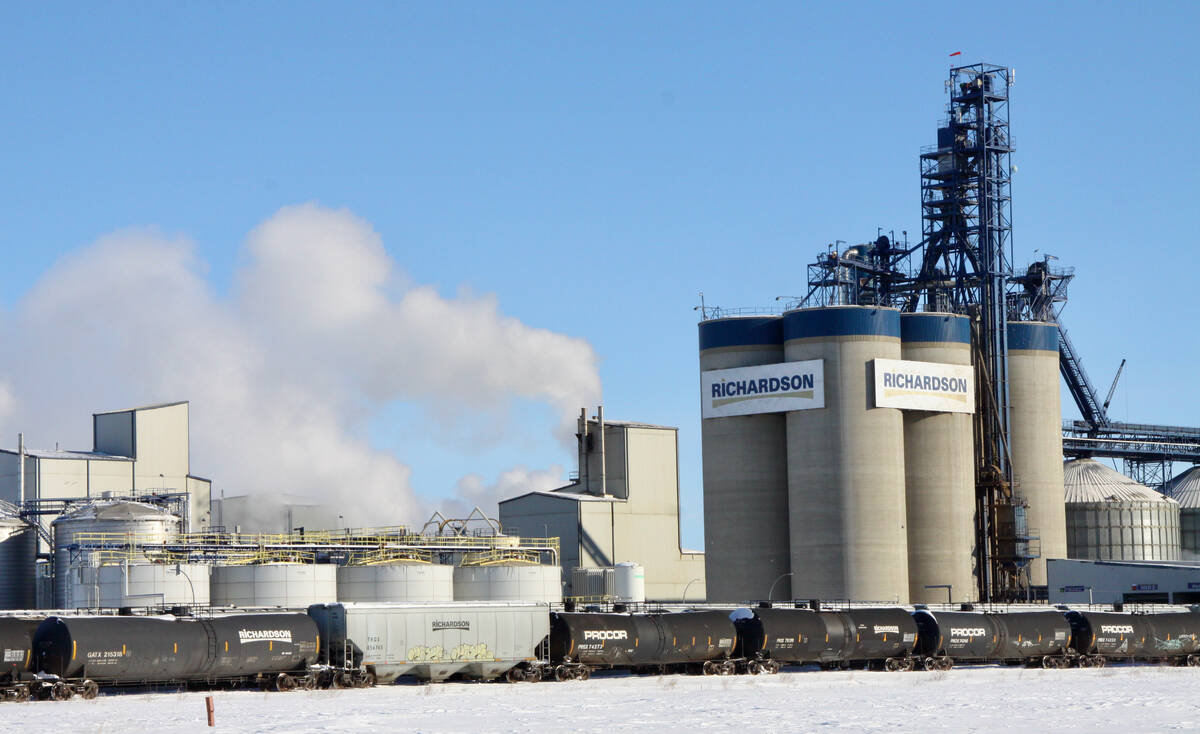
In calendar year 2025, the canola crushes in Canada and the United States remained above their respective five-year averages, Statistics Canada reported on March 13. While the U.S. soybean crush continued to expand, StatCan didn’t include any soybean crush data for 2025 due to confidentiality requirements under the Statistics Act.
The early harvest of soybeans and corn in the province, along with mostly favourable soil conditions, allowed producers in Ontario to get an excellent start in seeding, Johnson said.
However, the weather conditions turned wet, preventing producers from seeding as much wheat as had been anticipated.
Of the area that was seeded in 2010, 79 per cent consisted of soft red winter wheat, 13 per cent hard red winter wheat, and the remaining eight per cent consisted of soft white winter wheat, Johnson said.
Of the winter wheat crop that was seeded in 2009, production was a bit better than anticipated, with yields in the 82.3 bu./ac. range, he said.
“Because of the huge amount of winter wheat that was planted early in the fall of 2010, and based on the relatively good conditions heading into the winter of 2010, we’re anticipating the trend line yield to be in the 79.8 bu./ac. range,” Johnson said.
However, he acknowledged there is a lot of growing time between now and the summer harvest.
About 800,000 tonnes of production are required to meet domestic needs, Johnson said.