
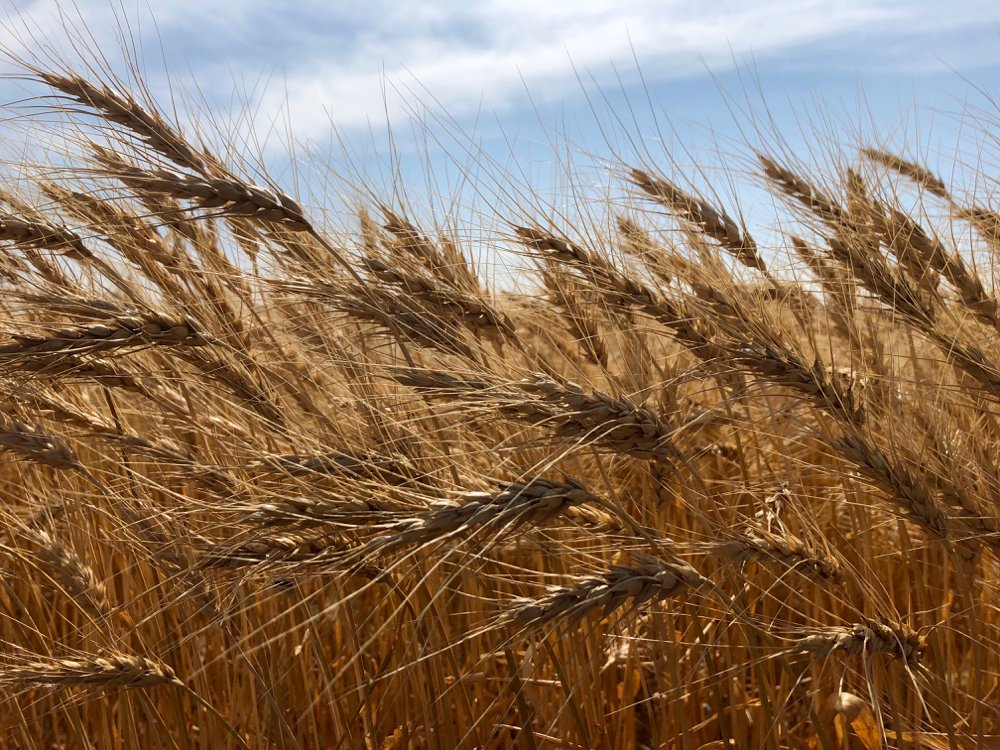
MarketsFarm – Crops throughout Saskatchewan rated as being in fair to good condition, according to the latest weekly crop report from Saskatchewan Agriculture. As of July 27, spring cereals, canola, field peas and soybeans were said to be in fair to excellent.
The report said winter wheat and fall rye were ripening and maturing. Harvest of those crops should begin in about a couple of weeks.
Diseases such as root rot, ascochyta, fusarium head blight and others have posed a problem along with damage caused by insects. Other crop damage has been the result of strong winds and from wildlife.
Read Also
CBOT Weekly: USDA predicts declines in planting intentions
Declines in projected planting intentions for 2026/27 were not as big as the market expected, after the United States Department of Agriculture released its estimates on March 31. The USDA also issued its quarterly grain stocks report with stocks for soybeans bigger than anticipated, while those for corn were smaller and wheat virtually matched the average trade guess.
Despite a general lack of rain across Saskatchewan, there was localized flooding and reports of hail. Nevertheless, cropland topsoil moisture levels were 71 per cent adequate with two per cent surplus, but 22 per cent short and five per cent very short. Hay land and pastures rated 63 per cent adequate, one per cent surplus, 25 per cent short and 11 per cent very short.
The dryness was most notable in the southwest corner of the province. The better moisture levels were generally in the northern growing regions, with some scattered pockets in the central and southern areas.
As for hay yields, Saskatchewan Agriculture reported they are below normal province-wide, especially in the drier areas. The overall quality of the hay was 75 per cent good to excellent. More than a quarter of the hay was cut and just under half has been baled or put into silage.