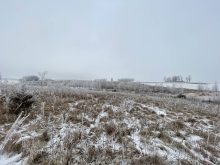

CNS Canada — Above-normal snowfall in central and northern growing areas of Western Canada should help improve moisture levels ahead of spring seeding, according to CWB’s crop and weather specialist.
Snowcover was sorely needed because a lack of rain last fall, especially in the north, helped create dry areas that drew moisture from the soil profile, Bruce Burnett said. Substantial snow volumes were recorded across much of the Prairies, though, alleviating some of the concern.
“It doesn’t make up totally for the lack of subsoil moisture supplies, but certainly we’re in decent shape for our starting soil moisture,” he said.
Read Also
Canola, U.S. soybean crushes expanding
In calendar year 2025, the canola crushes in Canada and the United States remained above their respective five-year averages, Statistics Canada reported on March 13. While the U.S. soybean crush continued to expand, StatCan didn’t include any soybean crush data for 2025 due to confidentiality requirements under the Statistics Act.
The situation is different in some parts of northeastern Alberta, though. Harry Brook, a crop specialist with Alberta Agriculture and Rural Development in Stettler, said Lloydminster and Vermillion could both do with some more moisture.
“There is some slight concern we might have a dry spring,” he said.
However, Brook noted, the majority of the province doesn’t seed until mid-May and traditionally relies on spring rains to get things moving.
As for southern growing areas on the Prairies, Burnett said most regions have normal to below-normal snow cover. “Given the amount of snowpack they have in most areas I don’t see that as a big difficulty this year,” he said.
Burnett agreed spring rains will be crucial to helping improve the subsoil moisture supply for areas such as central Alberta and parts of western Saskatchewan.
But he doesn’t expect to see many regions that are extremely dry right off the start. Southern Alberta could bear watching, though, as he noted it typically sees less soil recharge in the early going.
— Dave Sims writes for Commodity News Service Canada, a Winnipeg company specializing in grain and commodity market reporting.