

Grain Growers of Canada’s new executive director says his deep networks within Canada’s transport sector could grease the wheels for grain producers at key hubs like the Port of Vancouver.
“I saw firsthand all of the stress points at that huge hub and that’s certainly, I think, going to be an important priority for the Grain Growers,” said Bruce Burrows.
Burrows, who stepped into the executive director role on April 1, previously worked as president and CEO of the Chamber of Marine Commerce and as vice president and acting president and CEO of the Railway Association of Canada.
Read Also

McCormick bets on flavor in $65 billion Unilever merger
McCormick’s merger with Unilever’s food business to create a US$65 billion sauce-and-spice giant is a bet that access to rising global demand for flavor-rich, healthier food can help counter a maturing U.S. market.
WHY IT MATTERS: Grain Growers of Canada is one of the largest national farm organizations in Canada, representing over 100,000 producers through 15 regional groups.
“Given my past roles in both modes, both the marine and rail mode, I’ve got a good deep network,” he said.
He said he sees opportunities to “bring coalition-building to a next level for farmers.”
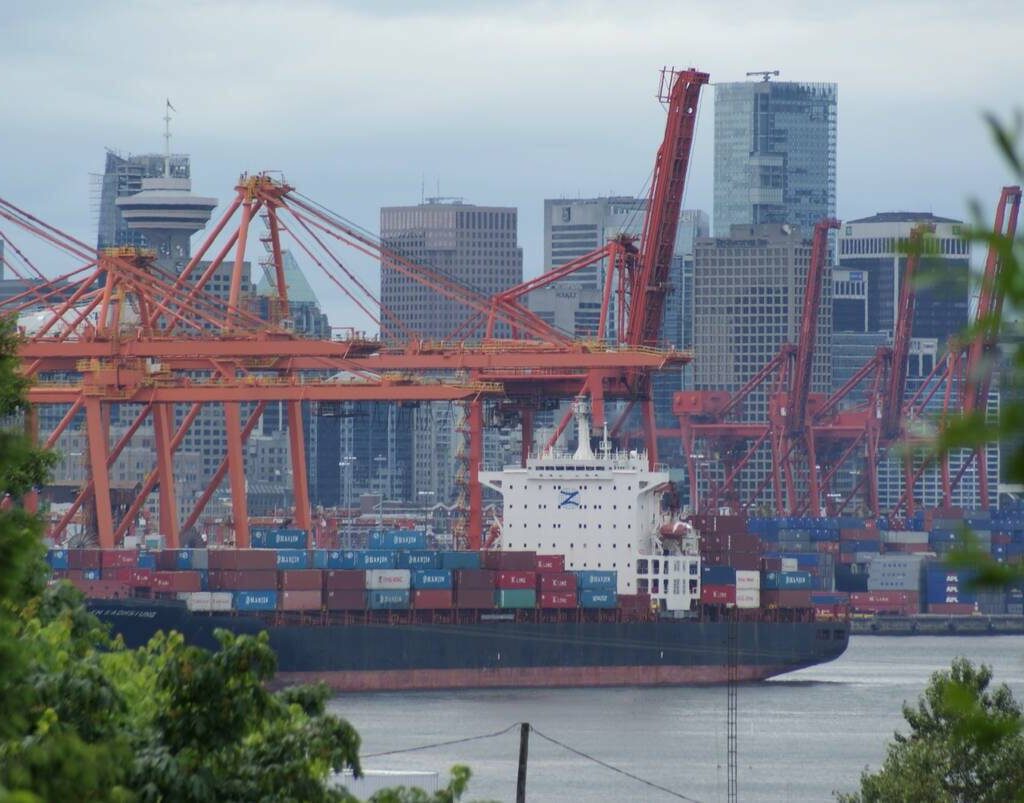
Burrows also has experience with port infrastructure including the port of Vancouver, a critical exit point for Canadian grain exports. Bottlenecks at that port and other critical infrastructure threaten the sector’s reliability, so it must have a good relationship with the ports and railways in the west.
“We know the canola story well with China, which is a Vancouver story,” Burrows said, “but there are lots of other Asian markets beyond China, which I think the sector wants to target for growth. And that’s very much a West Coast story.”
He said he saw other transport opportunities in places like Thunder Bay.
Consulting and advocacy
Burrows also brings experience in government relations and international trade policy through his work with Tactix Government Relations and BurCan Consulting. He said one of his goals will be to build on the GGC’s reputation to strengthen government relations.
“Fine-tuning our advocacy skills is really critical in the consulting world,” he said. “I’ve learned a few tricks of the trade.”
Burrows looked forward to upcoming trade trips, particularly to the U.S., which he said will be critical.
“If there are some interesting missions that need to be organized, I’ve been part of those things before and (would) be willing to be part of them again.”
“Global trading relations come and go, politicians come and go, but geography doesn’t change,” he said. “So, that U.S.-Canadian relationship is going to be first and foremost.”
He also called Global Affairs Canada and the Trade Commissioner Service underused resources and said he was open to working with them.
Burrows said his first priority in his new role would be to listen.
“I’m going to be in intense learning mode for some time,” he said. “I know I have to walk the field before I start plowing it.”
Burrows said he’s interested to tour farm tours in Western Canada and to meet with farmers one on one.
Grain as a “superpower product”
He said he hopes to encourage the federal government to recognize grain’s importance.
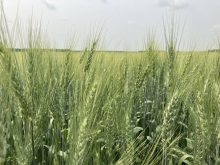
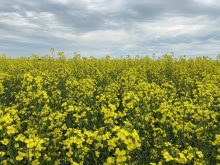
Canada has significant market share in wheat, canola and pulse crops.
“From a broader policy perspective, I’ll be focusing on this so that the federal government understands that opportunity to ensure that grain is considered a Canadian superpower product.”
Burrows said he feels he is entering the sector at a pivotal time as Canada begins to recognize agriculture’s role as more than a basic resource.
“So, how do we leverage this moment?” he said. “I think that’s what’s really driving me, in terms of my interest getting into the role.”
“I think we can step up our game and really demonstrate… how critically important we are in terms of supporting the commitments of Canada going forward.”
Other priorities Burrows listed for his time in the role included:
- Ensuring Canadian grain is considered in the upcoming review of the Canada-U.S.-Mexico Agreement.
- Engaging in labour issues and modernizing labour rules for a more predictable supply chain while respecting collective bargaining agreements.
- Finding ways to use precision agriculture technology to drive productivity and climate resiliency.
- Ensuring the movement of bulk resources at Canadian ports is recognized.