

Buenos Aires | Reuters — The leaders of Mexico, Canada and the United States signed a North American trade pact on Friday after brinkmanship over the final details of the deal continued through the eve of the signing.
They agreed on a deal in principle to govern the more than trillion dollars of mutual trade after a year and a half of acrimonious negotiations concluded with a late-night bargain just an hour before a deadline on Sept. 30.
Since then, the three sides have bickered over the wording and the finer points of the deal and still had not agreed just hours before officials were due to sit down and sign it as the G20 summit kicks off in Buenos Aires.
Read Also
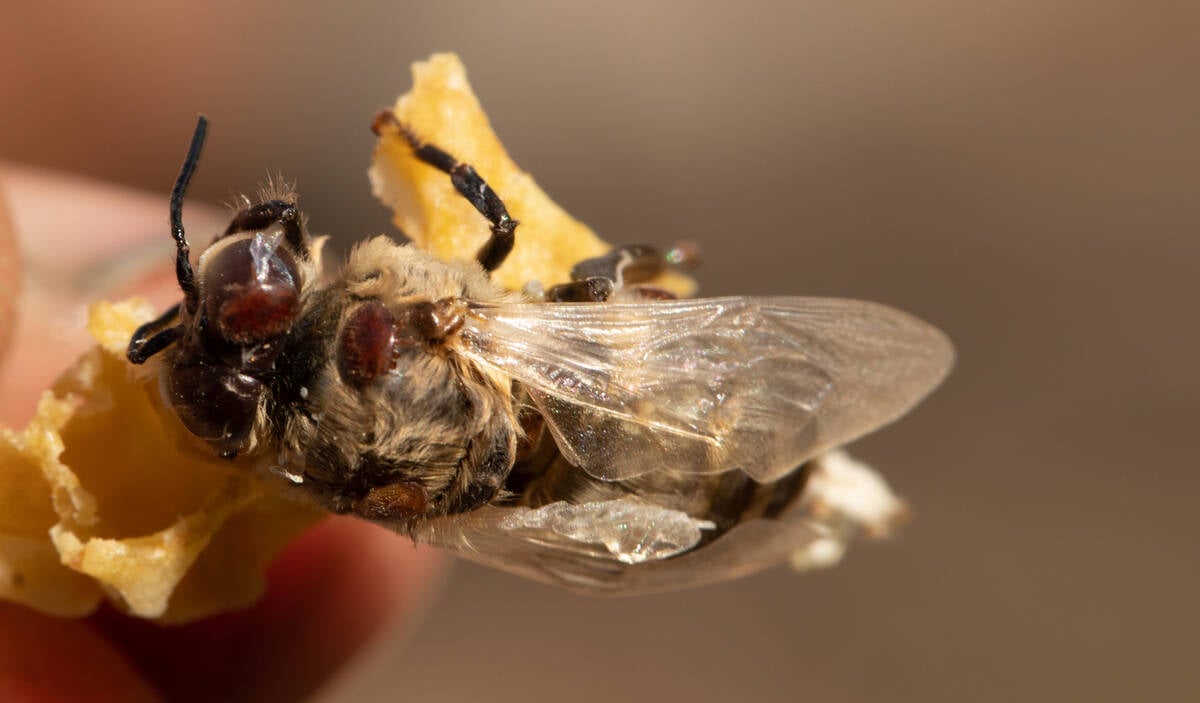
Southern California honeybees show resistance to varroa mites
Regionally-adapted honeybees in southern California show natural resistance to varroa mites, according to new research from University of California Riverside.
Legislators from the three countries still have to approve the pact, officially known as the United States-Mexico-Canada Agreement (USMCA), before it goes into effect and replaces the North American Free Trade Agreement (NAFTA).
Canadian Prime Minister Justin Trudeau’s spokesman only confirmed his attendance late on Thursday. Before signing the deal he continued to refer to as “the New NAFTA,” Trudeau told Trump the two should continue to work together to eliminate steel and aluminum tariffs.
Mexico’s President Enrique Pena Nieto joined the ceremony on his last day in office.
Trump had vowed to revamp NAFTA during his 2016 presidential election campaign. He threatened to tear it up and withdraw the U.S. completely at times during the negotiation, which would have left trade between the three neighbors in disarray.
Trump forced Canada and Mexico to renegotiate the 24-year-old agreement because he said the existing pact encouraged U.S. companies to move jobs to low-wage Mexico.
U.S. objections to Canada’s protected internal market for dairy products was a major challenge facing negotiators during the talks, and Trump repeatedly demanded concessions and accused Canada of hurting U.S. farmers.
Dairy Farmers of Canada on Wednesday said the USMCA would “grant the U.S. oversight into the administration of the Canadian dairy system” and urged the government not to sign.
“It has recently come to light that the published text — which is available only on the U.S. Trade Representative’s website and in English — contains clauses regarding dairy tariff-setting authority that differ from what Canadian negotiators agreed upon,” Katie Ward, president of Canada’s National Farmers Union, said in a separate release Thursday, also urging Canada not to sign.
A side letter to the September agreement showed that Trump preserved the ability to impose threatened 25 per cent global tariffs on autos while largely exempting passenger vehicles, pickup trucks and auto parts from Canada and Mexico.
— Reporting by Roberta Rampton and Caroline Stauffer in Buenos Aires and David Ljunggren in Ottawa. Includes files from Glacier FarmMedia Network staff.