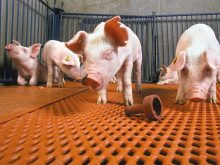

Chicago | Reuters — CME Group hog futures rose on Thursday while cattle futures eased as traders struggled to assess the long-term demand impacts of the global coronavirus pandemic.
“For livestock, traders are still trying to figure out where to take this market given the uncertainty of meat demand for the rest of the year,” said Terry Reilly, a senior analyst with Futures International in Chicago. “It is unknown how much the restaurants will buy or take in over the next six to 12 months.
A Tyson Foods unit said on Thursday it would temporarily halt production at a beef facility in Pasco, Washington, adding to the meat plants the company has had to shutter as it tests workers for COVID-19.
Read Also

El Niño risk building, U.S. forecaster says; ENSO-neutral expected to continue to June
U.S. forecasters say there is an 80 per cent chance of more stable ENSO-neutral weather conditions from April to June as La Niña transitions toward El Niño.
Lean hog futures for June delivery rose 3.725 cents to 51.625 cents/lb. at the Chicago Mercantile Exchange. The contract rose above its 20-day moving average for the first time since March 11.
“It looks like technically the nearby contracts have made a major bottom,” said Doug Houghton, analyst with Brock Associates.
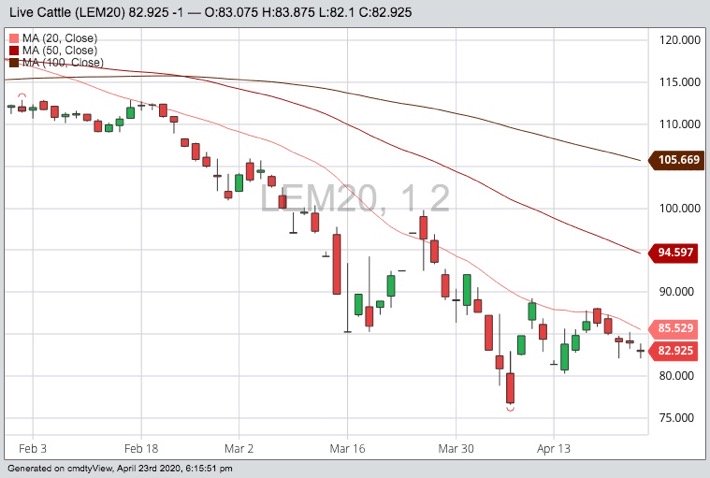
CME June live cattle fell one cent to 82.925 cents/lb.
August feeder cattle futures fell 0.825 cent to 126.375 cents/lb.
Lean hog contracts and live cattle contracts will trade with expanded limits of 5.5 cents and 4.5 cents, respectively, on Friday after some deferred contracts posted limit moves on Thursday.
The U.S. Agriculture Department will release its monthly cattle on feed report Friday afternoon. Analysts were expecting the amount of cattle in U.S. feedlots as of April 1 to be 95 per cent of a year earlier, according to the average of estimates in a Reuters poll. Placements in March were seen 21 per cent lower than March 2019.
— Mark Weinraub is a Reuters commodities correspondent in Chicago.