

Chicago | Reuters –– U.S. livestock futures fell on Tuesday as hogs retreated from a two-month high reached a day earlier.
December lean hog futures sank 2.675 cents to 69.925 cents/lb. at the Chicago Mercantile Exchange (all figures US$).
The setback came after the contract reached its highest price since July 31 on Monday amid hopes for Chinese buying. Futures had climbed 25 per cent after setting a one-year low on Sept. 10 and are too high compared with cash prices, traders said.
Cash prices rose for carcasses, loins, hams and bellies and other pork products.
Read Also
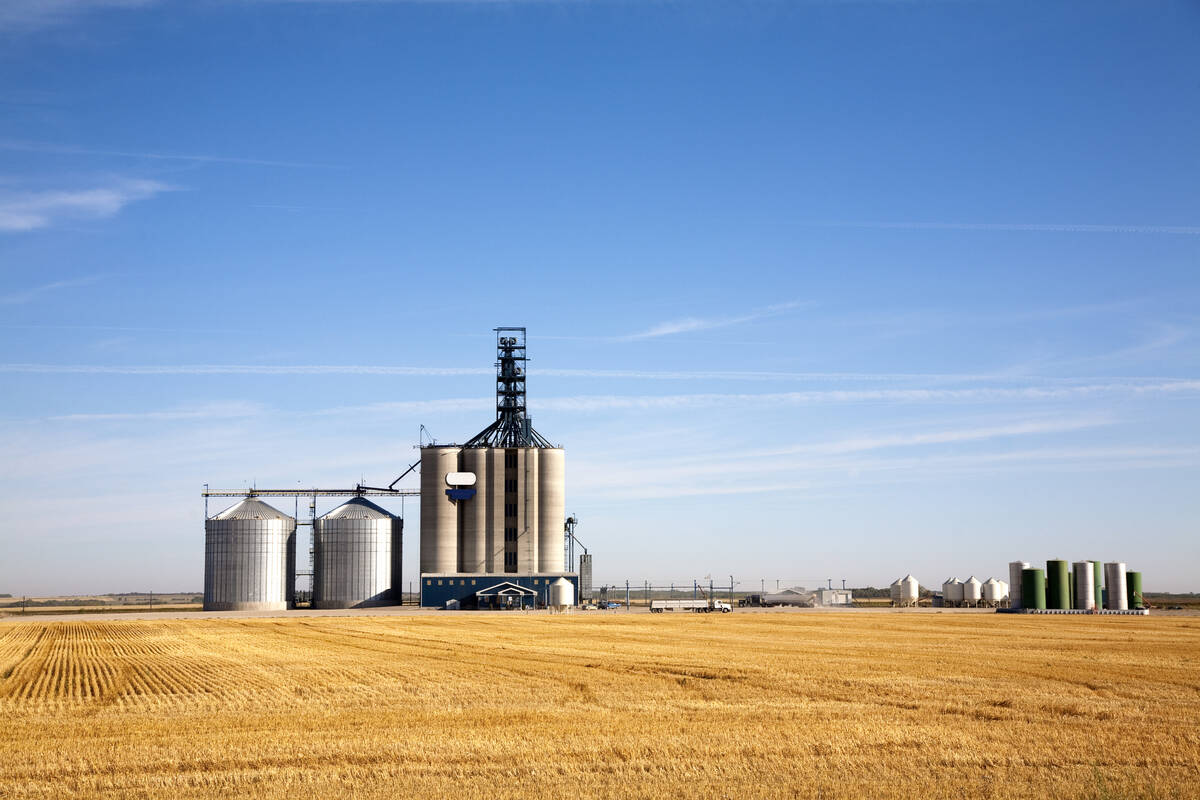
Crop merchant Louis Dreyfus reports lower profits, higher volumes for 2025
Global agricultural commodity merchant Louis Dreyfus Company said on Wednesday it had recorded a decline in annual profit, driven by lower prices for most crops and market uncertainty arising from tariffs and economic concerns.
“They believe that there’s exports coming down the road and I believe that, but how much premium do you want to put in?” said Jim Gerlach, president of broker A/C Trading in Indiana.
Hog futures are highly sensitive to expectations for Chinese buying as the Asian nation is struggling with an outbreak of African swine fever, a fatal pig disease that has decimated its herd over the past year. The disease has also spread to Vietnam, South Korea and other countries. The Philippines confirmed new cases on Tuesday.
“While this demand is possible, the immediate fact is that the U.S. has a rising pork supply, along with other meats,” said Karl Setzer, commodity risk analyst for Agrivisor.
Meat packers slaughtered an estimated 490,000 hogs on Tuesday, up from 470,000 a week earlier and 476,000 a year ago, according to the U.S. Department of Agriculture. They killed an estimated 117,000 cattle, steady from last week and up from 116,000 a year earlier.
“Given the rise in slaughter numbers this week the U.S. supply of pork and beef are likely to increase even further,” Setzer said.
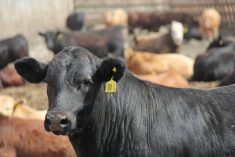
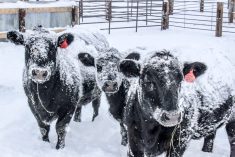
December live cattle futures closed down 0.475 cent at 109.825 cents/lb., after reaching its highest price since Aug. 7 on Friday.
November feeder cattle futures closed down 1.75 cents at 140.175 cents/lb., after reaching its highest price since July 31 on Friday.
— Tom Polansek reports on agriculture and ag commodities for Reuters from Chicago.