
Alberta potato growers who want to sell seed potatoes into the U.S. can resume exports Wednesday (Jan. 28).
Ottawa announced Friday that it has “taken all actions necessary to comply fully with U.S. import requirements for Alberta seed potatoes.”
After the plant pest golden nematode was found on two seed potato fields in the province in November 2007, the federal government completed a delimiting survey (soil sampling) of the two farm units in question, and all soil samples came back negative, the government said Friday.
Read Also
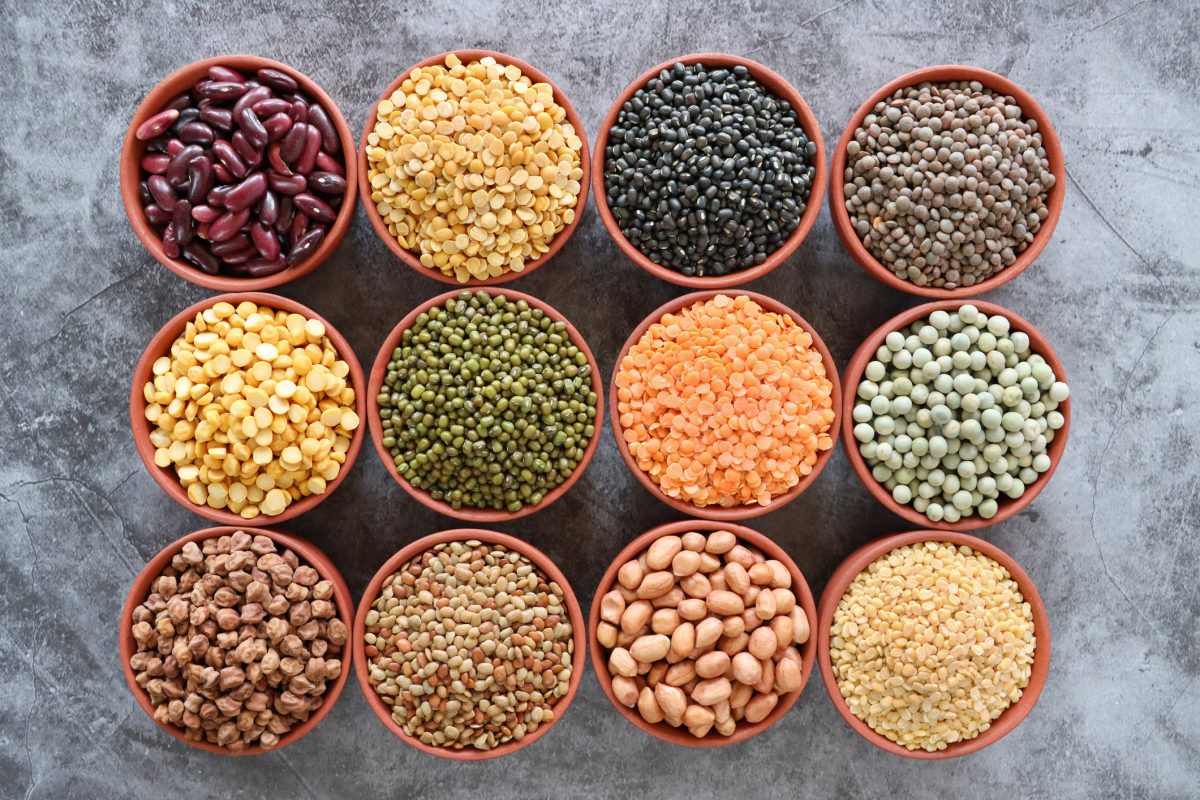
Pulse weekly: USDA to buy US$75 million in pulses as part of support package
Pulse growers in the United States have a new market after a recently announced program from the U.S. Department of Agriculture allocated US$75 million to purchase peas, lentils, beans and chickpeas.
Golden nematode and pale cyst nematode are both considered quarantine pests because they can reduce yields of host crops, such as potatoes and eggplants, by up to 80 per cent and can survive dormant in host soil for decades. Potato cyst nematodes (PCNs) such as these are not considered a threat to human health.
Furthermore, each of the two Alberta properties at issue had turned up just one positive sample in the 2007 findings, out of several hundred taken from the two fields in question.
The PCN finding and border closure bit into what was previously well known as a reliable seed supply for U.S. potato growers in Washington, Oregon and Idaho.
The federal government’s release Friday stated the U.S. market is now open to all Canadian seed potatoes that meet PCN phytosanitary guidelines, not counting potatoes produced in regulated areas.
PCN guidelines will soon be amended based on recommendations contained in a 2008 independent international science panel report on PCN, the government said, and those amendments will be made jointly by the Canadian Food Inspection Agency and U.S. Department of Agriculture “in full consultation with industry representatives.”