

Winnipeg/Reuters – Unusually warm temperatures in Western Canada are raising farmers’ hopes of a strong finish to a growing season of highs and lows, easing investors’ worries about the late harvest.
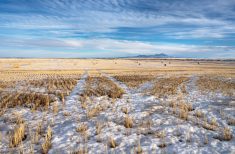
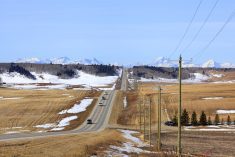
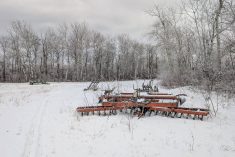
Summer-like weather in Saskatchewan and Alberta, the two biggest wheat and canola-growing provinces in Canada — a top global exporter of both crops — allowed farmers to resume harvesting on the weekend after delays from last month’s snow.
“I hope I can get it done, or most of it anyhow,” said Laramie Eyben on harvesting his remaining 567 hectares of spring wheat and canola. It looked like a longshot last week because of adverse weather.
Read Also

USDA attachés forecast some changes in China’s oilseeds, cereals
As China heads into the 2026/27 marketing year, the United States Department of Agriculture attachés in Beijing projected a few minor to moderate changes in the country’s soybean, canola, corn and wheat crops.
Eyben and his neighbors at Vermilion, Alberta, logged 18-hour days harvesting 600 acres of his canola before rain temporarily shut them down.
Eyben’s canola could be one of his best-yielding crops ever, thanks to extra moisture, but quality may be spotty. His late-harvested wheat will sell at a steep discount.
“Try to learn and adapt, that’s what farmers do,” Eyben said.
Farmers may gather up more than 90 per cent of Alberta’s harvest by next weekend, up from 76 per cent as of Nov. 1, government crop specialist Harry Brook said.
Canola quality has fared well since its seeds are insulated in pods, but cereals such as wheat face price penalties due to moisture damage, he said.
In Saskatchewan, harvesting has resumed in southern and western areas, but northeastern Saskatchewan is still too wet, said Shannon Friesen, the government’s cropping management specialist. Harvests may have to wait there until cold weather freezes the ground enough for machinery, she added.
Saskatchewan may have 90 per cent of the harvest done by next weekend, up from 82 per cent as of Oct. 24, she said.
In August, Statistics Canada estimated a canola harvest of 17 million tonnes, one of the largest ever, before the adverse weather wreaked havoc on farmers.
ICE Canada canola futures have lost nearly four per cent in the past week, tumbling from their highest prices since mid-June. They likely have further to fall as the harvest resumes, said Grant Hinrichsen, a futures broker at RJ O’Brien.
“It’ll be hanging over the market,” he said.
Environment Canada, a government agency, forecasts dry weather and daytime high temperatures of more than 10 Celsius (50 Fahrenheit) through the week in Saskatchewan and Alberta.