
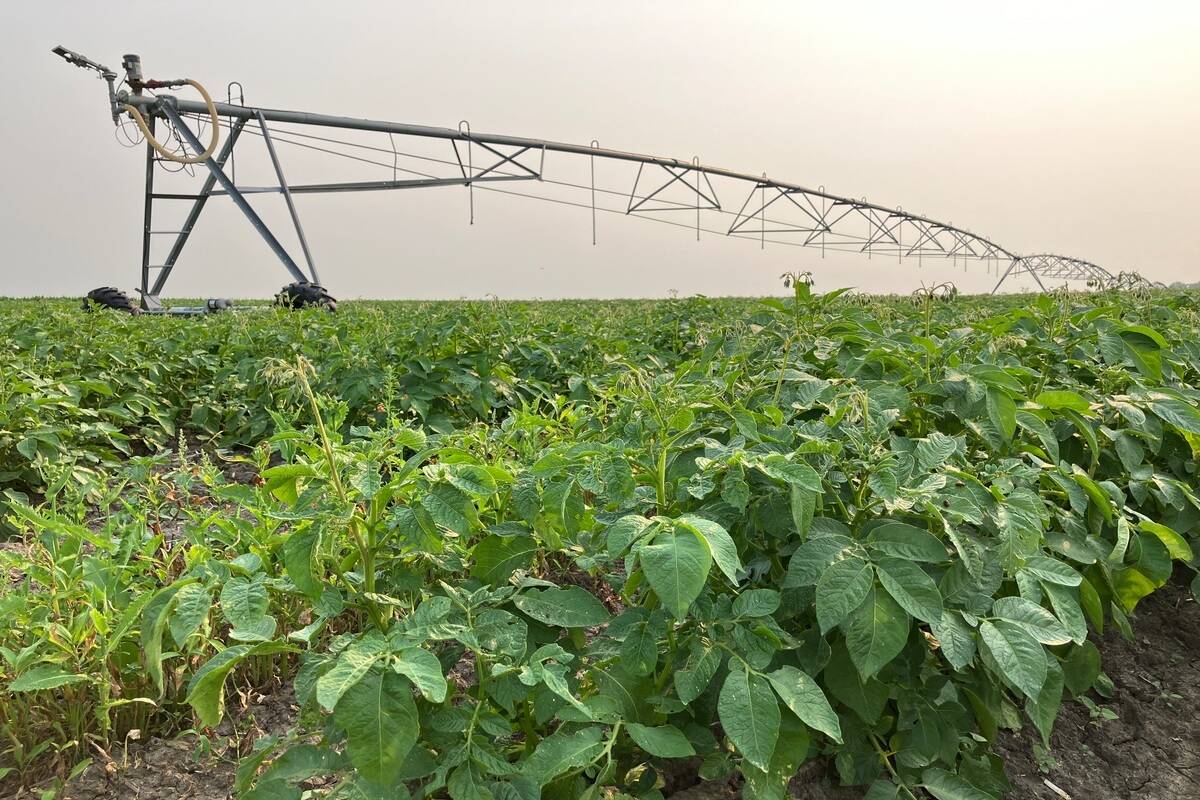
Alberta’s potato industry is heading into 2026 squeezed by rising input costs, growing global competition, and an uncertain trade relationship with its most important market.
The most immediate pressure has been the war in Iran, which has disrupted the flow of 20 per cent of global oil and liquefied natural gas consumption through the Strait of Hormuz. Some analysts have called it the largest oil disruption in history — and the effects reach well beyond the price at the pump.
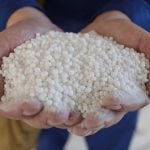
“The war itself is not helping our inputs right now. Everybody was saying last fall, we were at $800 (per tonne) nitrogen. Now it’s $1,200, and the other costs continue to grow up. That is out of our control,” said Terence Hochstein, executive director for the Potato Growers of Alberta, at the south regional meeting in Taber on March 24.
Read Also
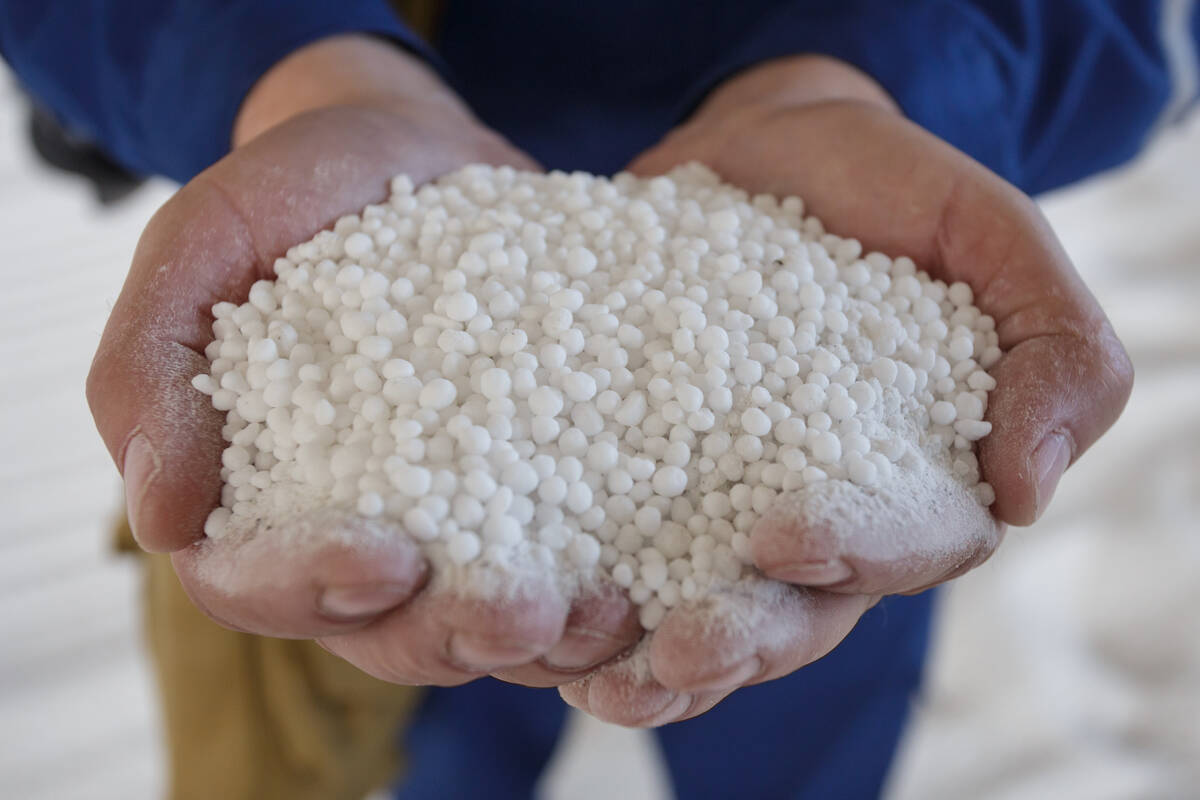
High fertilizer prices may finally push farmers toward application innovation
Rising fertilizer costs could accelerate adoption of nitrogen management technologies that have been available but underused on Prairie farms.
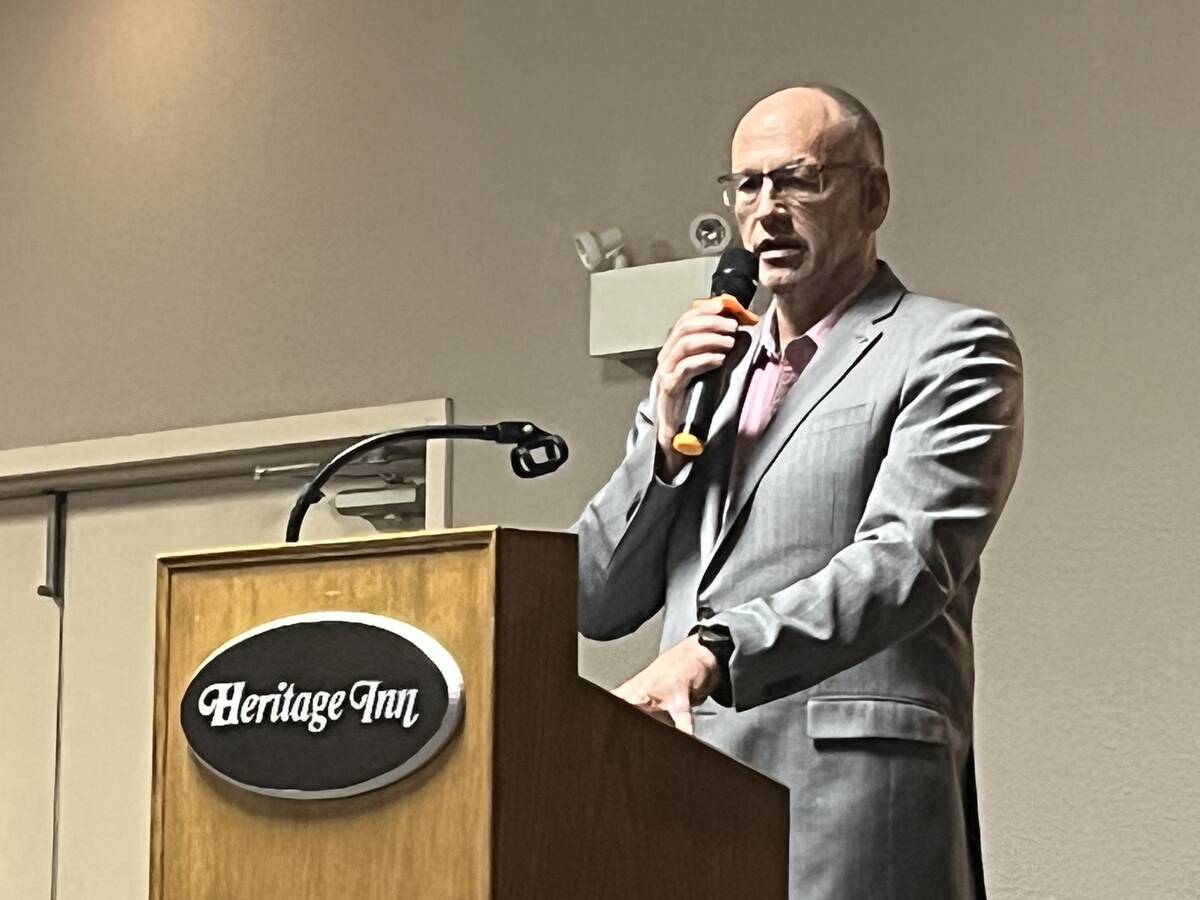
WHY IT MATTERS: Regional meetings of various commodities keep growers informed of the challenges the industry is having and what advocacy organizations are doing on their behalf.
Global competitors gaining ground
The cost squeeze comes alongside a saturated market, with new exporters gaining ground. India and China, once importers of Canadian potato expertise, are now among the world’s largest exporters.
“It wasn’t that many years ago where our processors, some of our experts, went into India and China. They wanted to learn how to grow potatoes in order to feed their own people. That wasn’t that long ago. Now, India and China are some of the largest exporters there is,” said Hochstein.
“They’re gradually getting a bigger and bigger foothold on the North American market. India, last year alone, increased their exports into North America. Although it was a small amount, it was 353 per cent year over year. China is not that far behind.”
New trade deal with Mexico
The growing competition raises the importance of trade deals. Canada secured an agreement with Mexico earlier this month that breaks the U.S. monopoly on Mexican potato imports, allowing export of fresh Canadian potatoes for consumption or processing. Shipping is expected as early as fall 2026, and the deal gives Canada access to one port the U.S. does not have.
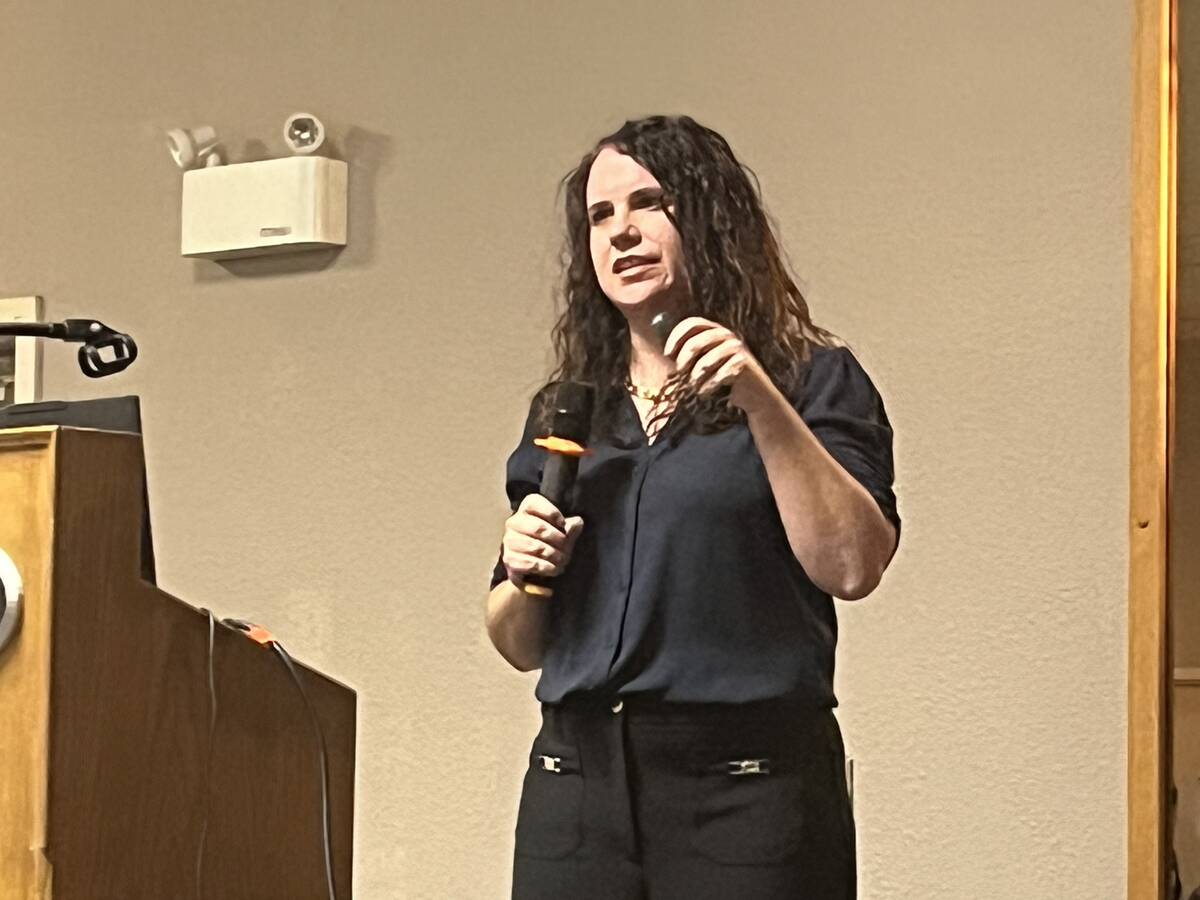
“Alberta has committed to work with one of our fresh packers here now to initiate the initial audit. We’ll bring those people from Mexico’s national service for agri-food health, safety and quality (SENASICA) up to Alberta. They’ll see some fields, they’ll see a packing plant, and then open that up. After that, it would be up to the fresh packers to decide whether Mexico is a market that they want to initiate,” said Stacey Bajema, government relations and policy director for PGA.
U.S. trade tensions
Despite diversification efforts, the U.S. remains the priority. Trade tensions have grown as Prime Minister Mark Carney has brokered agriculture-based deals with China, Indonesia, and India in recent months.
The U.S. has initiated a trade investigation through the USTR into Canadian potato subsidies — a move Bajema isn’t worried about.
“Bring it on, because I’m not sure what subsidies they’re talking about. So we’ll see how that comes out in the end, and we’ll continue to have these discussions,” said Bajema.
The PGA hopes the U.S. relationship will improve as CUSMA comes up for joint review.
“Above anything, that U.S. market is our number-one concern. That’s what we need to make sure people know. Market diversification is one thing, but when you’re dealing with perishable product, we have to keep that market with the U.S. secure,” said Bajema.
Funding outlook
The funding picture has been mixed. Agriculture and Agri-Food Canada is facing deep cuts, including the elimination of approximately 665 positions over the next three years. But the Alberta provincial budget, delivered on March 4, left the industry relatively unscathed despite the province’s deficit.
Results Driven Agriculture Research is funded at $41.5 million. The irrigation modernization and expansion project stays at $60.7 million, alongside $10 million for the Growing Greenhouses program.
“We’re going to keep monitoring on the CFIA side. The way things are now is they eliminated a lot of that management side, so we have a lot more streamlining,” said Bajema.
“We still had the loss of the Lacombe ag station. We joined our compadres in oilseeds and grains to talk about the concerns with losing ag infrastructure.”