
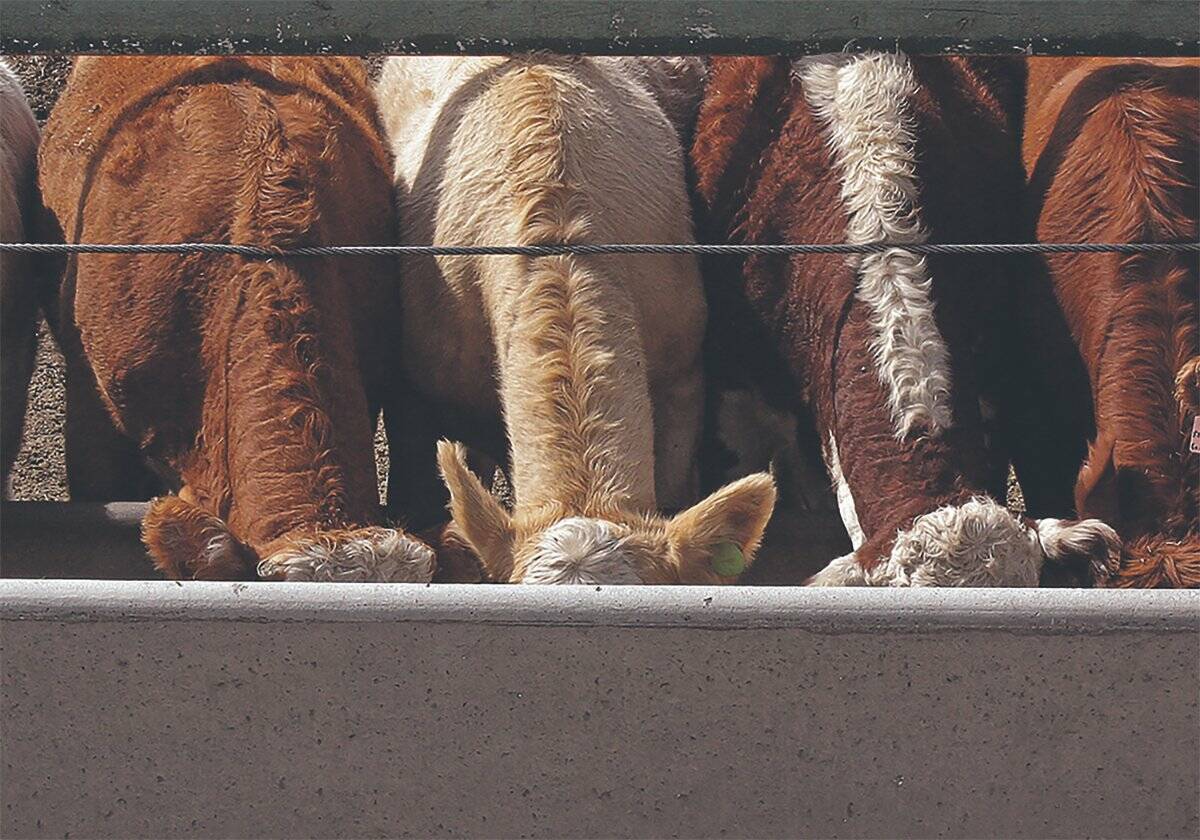
Billions of dollars in Canadian food waste could be redirected to livestock feed, but the country’s regulatory framework isn’t keeping up with the opportunity, according to a University of Lethbridge researcher.
Kim Stanford, an associate professor with expertise in microbiology related to cattle and food-borne pathogens, said Japan and South Korea are far ahead of Canada in recycling food waste as feed.
Read Also
Closing the yield gap in Prairie cereals means balancing agronomy with economics
The yield gap in Prairie cereals is real, but researchers say the path to closing it runs through economics as much as agronomy.
WHY IT MATTERS: As global food demand grows, finding ways to redirect wasted food into livestock feed can help reduce input costs and strengthen the industry’s environmental social licence.
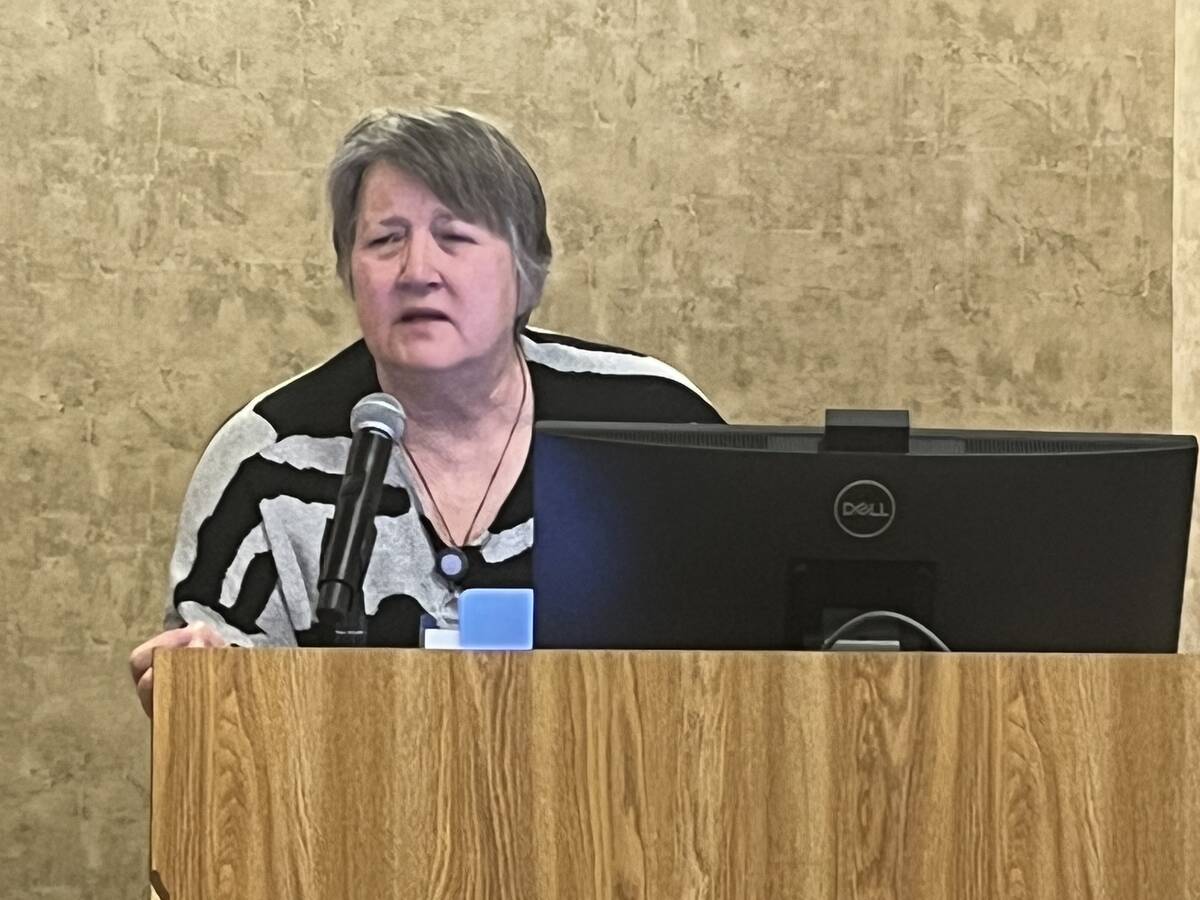
“Starbucks in Japan is recycling their coffee grounds. They’re splitting between feed and fertilizer streams, and they’ve been doing this that since 2010. The Japanese and the Koreans are way ahead of Canada when it comes to using food waste as feed,” said Kim Stanford, an associate professor at the U of L, during her Waste Not, Want Not: Food Waste as Cattle Feed presentation at the Alberta Beef Producers beef research showcase at the Alberta-based university.
“In Japan and South Korea, their regulatory agencies are promoting the recycling of food waste for feed, it’s very different from the CFIA.”
Where Canada’s food waste goes
Not all food waste can be captured for livestock. Roughly half has already reached consumers, and the CFIA maintains strict rules on what can be used in feed. But Stanford said the losses along the supply chain are substantial:
- 13 per cent of the waste happens on farms due to crops not being harvested or not having enough storage space.
- 20 per cent of the waste happens at processing.
- 12 per cent happens at retail stores with damaged goods and poor inventory.
- Five per cent is lost in transportation with refrigeration issues or spillage.
“But even with half of the half, that’s still billions of dollars of food waste that is readily available,” said Stanford.
Hemp and coffee grounds show promise
A survey led by Dr. Vicki Garcia found strong interest among hemp processors in using byproducts for livestock feed. While hemp is not currently on the CFIA approved feed list, Stanford said the concerns differ depending on the type of livestock.
For dairy cattle, studies have shown THC concentrations can transfer into milk at levels high enough to raise toxicity concerns for children. But for beef cattle, trials using 20 per cent hemp seed cake on a dry-matter basis over a 111-day feeding period showed positive results.
“Only trace amounts of THC and derivatives were detected in the fat and none in the lean part. Concentrations of THC in the fat were so low as to not be judged as food safety concerns,” said Stanford.
“A little extra bonus, they showed markers for reduced stress. There’s not a sign that they also have the munchies, but definitely exceptionally chill cattle.”
Coffee grounds are another ingredient not yet on the CFIA approved list, despite large volumes going to landfill daily. At 12 to 20 per cent protein by dry weight, they are also high in fibre and fat. Studies have shown that when coffee grounds make up no more than 20 per cent of the overall diet, there is no reduction in animal performance.
“The high fat concentration in coffee grounds; it’s a consideration. They need to be fed fairly quickly after they were received — you don’t want the fat to go rancid,” Stanford said. “But looks to me like coffee grounds are mixable in with the rest of the diet without the need for extra processing.”
Turning grocery waste into silage
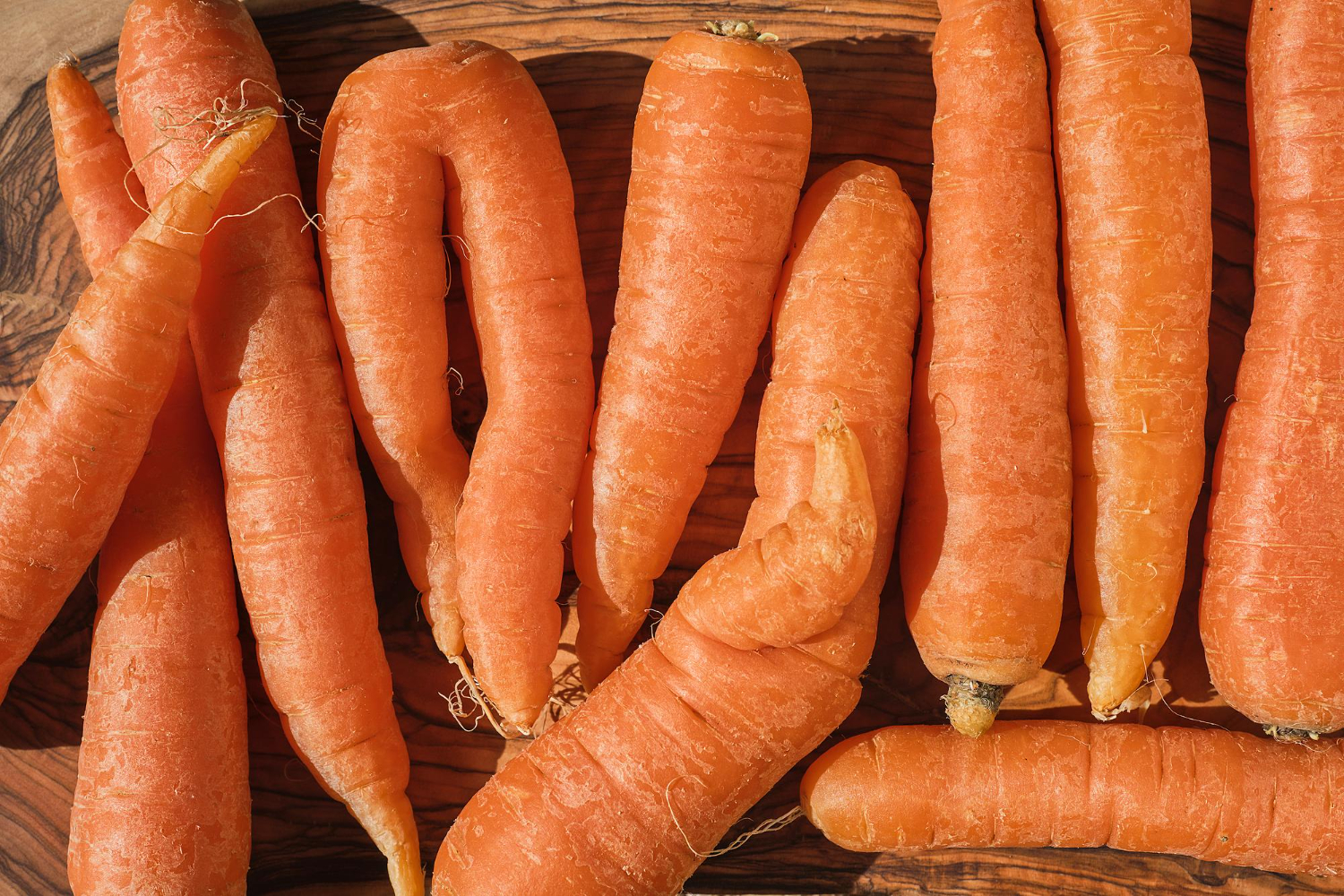
Discarded fruits and vegetables require more processing before they can be used as feed. Stanford noted that appearance standards drive significant waste — roughly 50 per cent of carrots, for example, are deemed too ugly for human consumption. In one study, two types of carrot silage were tested: one mixed with oat hulls and the other with chopped straw. Early results showed the chopped straw blend performing best in sheep trials.
On a larger scale, a program run by Loop Resources — started by a Canadian farmer in 2017 — has matched farmers with retail grocers, keeping 148 million kilograms of food waste out of landfills and contracting with more than 4,000 farmers who collect waste on scheduled pickup days and feed it to livestock.
“You never know exactly what you’re going to get or how much, which is why we wanted to see how easy it would be to turn this grocery food waste into silage,” said Stanford. “With the silage, you can stockpile food waste instead of having to bring it bring it and feed it almost as soon as it get it home.”
In a grocery store waste study, no foods that had gone too far with mould were included. The silage was blended with drier bread products and a variety of fruits and vegetables, targeting a 38 per cent dry matter threshold. Initial samples showed significant yeasts and moulds on basic microbiological plate counts.
But after 60 days of fermentation, the moulds and yeasts were undetectable. The mycotoxin Mycophenolic acid, an immune system suppressor, was also undetectable after being present in initial counts.
“Converting the food waste to silage is helpful for dealing with spoilage organisms. Even at day zero, the concentration of Mycophenolic acid was approximately 20 times lower than is typical for regular grass silage, so it wasn’t enough to really be a concern,” said Stanford, who recommended the approach for smaller operations looking to connect with local grocery stores on food waste recycling.
“From food waste, this will likely not be a food safety concern for feeding your cattle based on our mycotoxin results. But it’s a good idea to keep your eyes on that, depending on what you’re feeding.”