
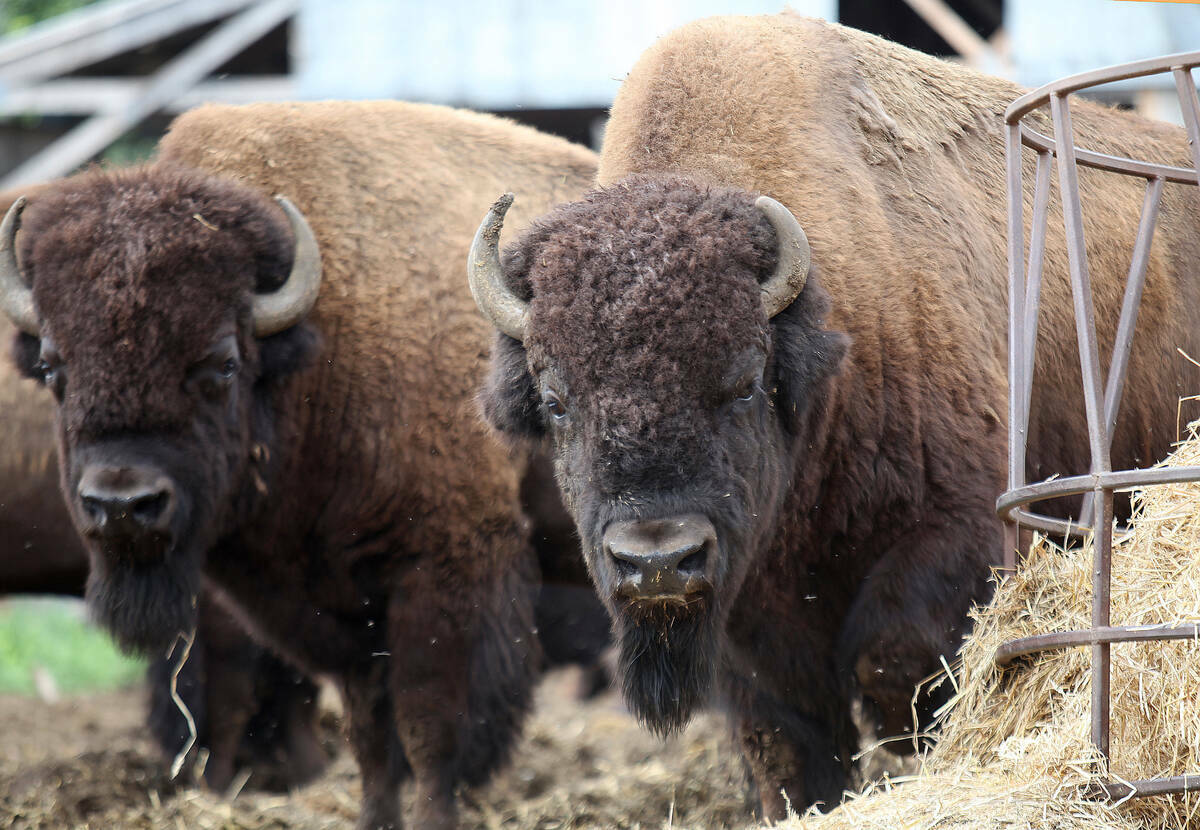
Bison numbers are down amid increasing demand and record-high market prices.
The situation is the same in both Canada and the United States, heard producers attending the Canadian Bison Association convention.
WHY IT MATTERS: Consumer demand for bison has soared, but supply could dwindle in the next few years as a number of Canadian producers walk away from the industry.
Read Also
From soil to stall: the digital platform closing the data gap in methane reduction
Maxime Leduc’s ‘My Forage System’ helps livestock producers boost profitability and slash emissions by finally connecting field data to animal performance.
CBA executive director Scott Yule said producers over the past five years have been taking advantage of the high prices that have moved in tandem with, but above, beef.
“We haven’t seen a lot of people (who) are just leaving the business for the sake of leaving the business, but they’re retiring and selling out,” he said.
The biggest challenge facing the Canadian industry right now is having enough animals to support demand that has held up since climbing during the COVID-19 pandemic.
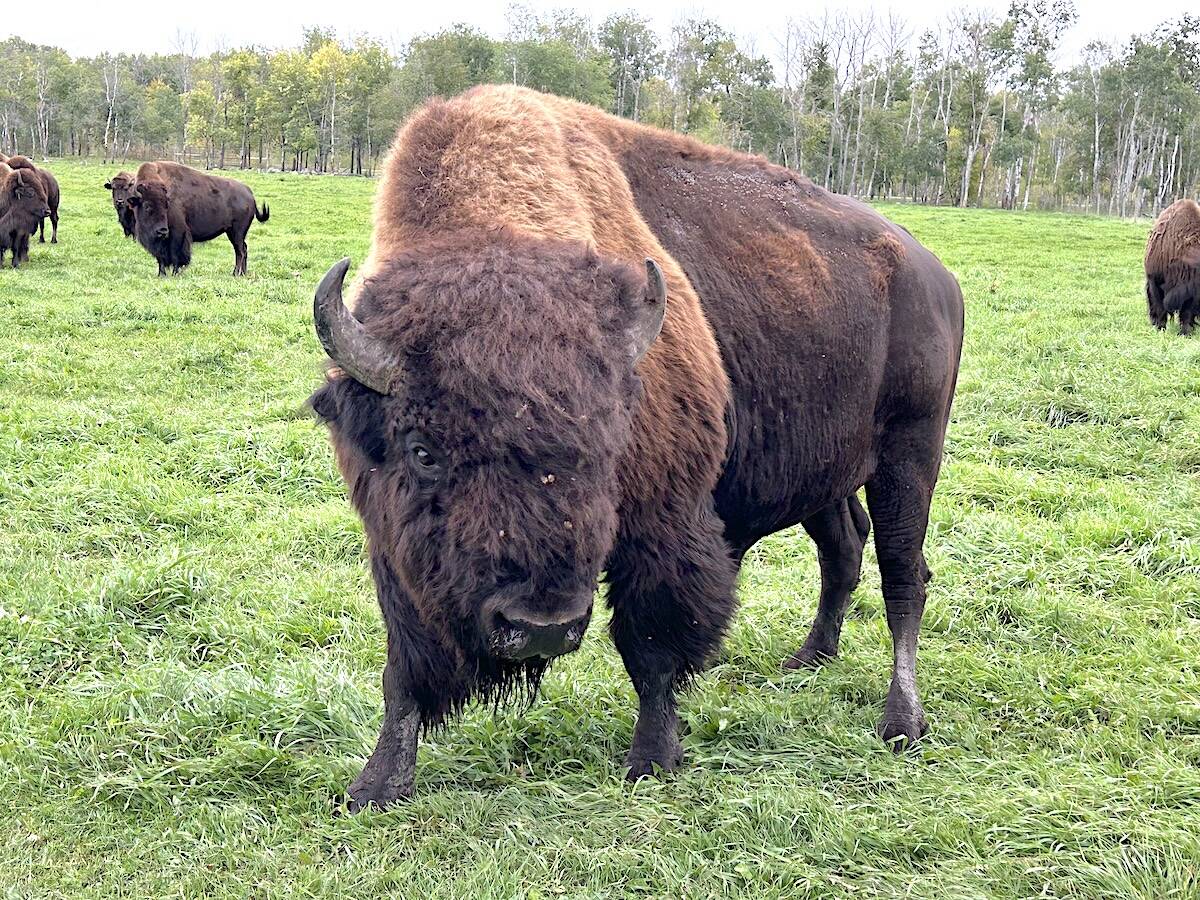
Slaughter numbers to the end of August in Canada were already higher than in 2024 and are on track to be among the highest in the past 10 years.
Fewer bison are moving south. Yule said in some years up to 80 per cent of animals have been exported. This year is down quite significantly.
National Bison Association (NBA) executive director Jim Matheson said the latest U.S. Department of Agriculture numbers show young bulls are averaging US$5.01 per pound hanging weight.
“That’s the highest bull price we’ve seen in about a decade on the rail, so prices are very good for producers right now,” he said.
“Of course, this is all related to the supply shortage we’re currently experiencing. By and large, this is largely due to too much consumer demand for our product, which is a great problem to have.”
Young heifers are about $4.75 per pound.
Matheson said bison typically run about twice the value of a beef carcass, but that hasn’t been the case the past couple of years. In some cases, bison producers are transitioning to beef production to make some money instead of the other way around.
His numbers showed U.S. federally inspected slaughter down 27 per cent over 2024, as of September. The effects of COVID demand saw slaughter increase by seven per cent from 2020 to 2021, 10 per cent from 2021-22, five per cent in 2022-23 and two per cent last year.
“This year we will probably contract for the first time in a long time for our federal numbers. This does not include our state inspected numbers,” Matheson said.
He said the U.S. will process about 25 per cent fewer bison in 2025 due to lack of supply.
Matheson also estimated 33 per cent fewer bison will move south from Canada this year.
High land costs, the cost to borrow money and the supply crunch are all affecting the sector. He said agriculture is a cycle, though, and the supply and demand balance will return at some point.
Bison move without tariffs under the Canada-United States-Mexico Agreement. Matheson said the NBA has been meeting with high level staffers at the U.S. Trade Representative’s office, the USDA and state officials, where it has found strong support for continuing the agreement.
CBA president Brian Arnold said the threat of U.S. tariffs at the start of the year created much uncertainty.
“I think we saw a lot of people push a lot of animals, trying to beat the tariffs, and maybe they were selling animals that maybe they would not have done if the threat of the tariffs wasn’t there,” he said in an interview.
“That reduced our herd numbers significantly as people were trying to maybe beat the economic impact of the tariffs that ended up never coming.”
Arnold said both associations work together but also need to protect their own interests. That’s why more animals are being sold and processed in Canada.
He expects producers will begin to realize they need to hang on to a few more animals and start to increase herd sizes again.
A big concern for the entire industry is whether the federal government realizes the value of agriculture and the fact that producers are feeding people, Arnold said.
There should be help, perhaps in the form of tax incentives, to drive people to farming and ranching, he said.
The CBA has been focusing more on its relationship with governments, he added.
Yule said CBA membership dropped from 488 in 2023 to 448 in 2025.