
Vaccine decisions for newborn calves are getting more focused these days, with veterinarians pushing producers to look at their own herd problems instead of following a one-size-fits-all blanket plan.
Intranasal vaccines are catching on with some Alberta ranchers, said Dr. Tawnya Copland, a large-animal vet with Prairie Rose Veterinary Services in Innisfree.
“A lot of people are using [them],”Copland said.
Read Also
Nortera’s Lethbridge plant closure ends 75 years of frozen vegetable processing in southern Alberta
Quebec-based Nortera Foods is closing its Lethbridge frozen vegetable facility in June as part of a strategic restructuring, ending 75-year processing run in region.
WHY IT MATTERS: Tailoring calf vaccination timing to your herd’s specific needs is key to healthier calves, experts say.
But she’s quick to point out these products aren’t right for every outfit, and instead are usually brought in when specific health troubles crop up.
“This isn’t a cookie cutter recipe for everybody … it depends on what your problems are, (and) how big your herd is.”
Operations dealing with respiratory disease in young calves are the main users of intranasal vaccines, while outfits without those troubles might skip vaccinating at birth altogether, Copland added.
Producers also need to read the fine print, since some vaccines have minimum age requirements before you can use them.
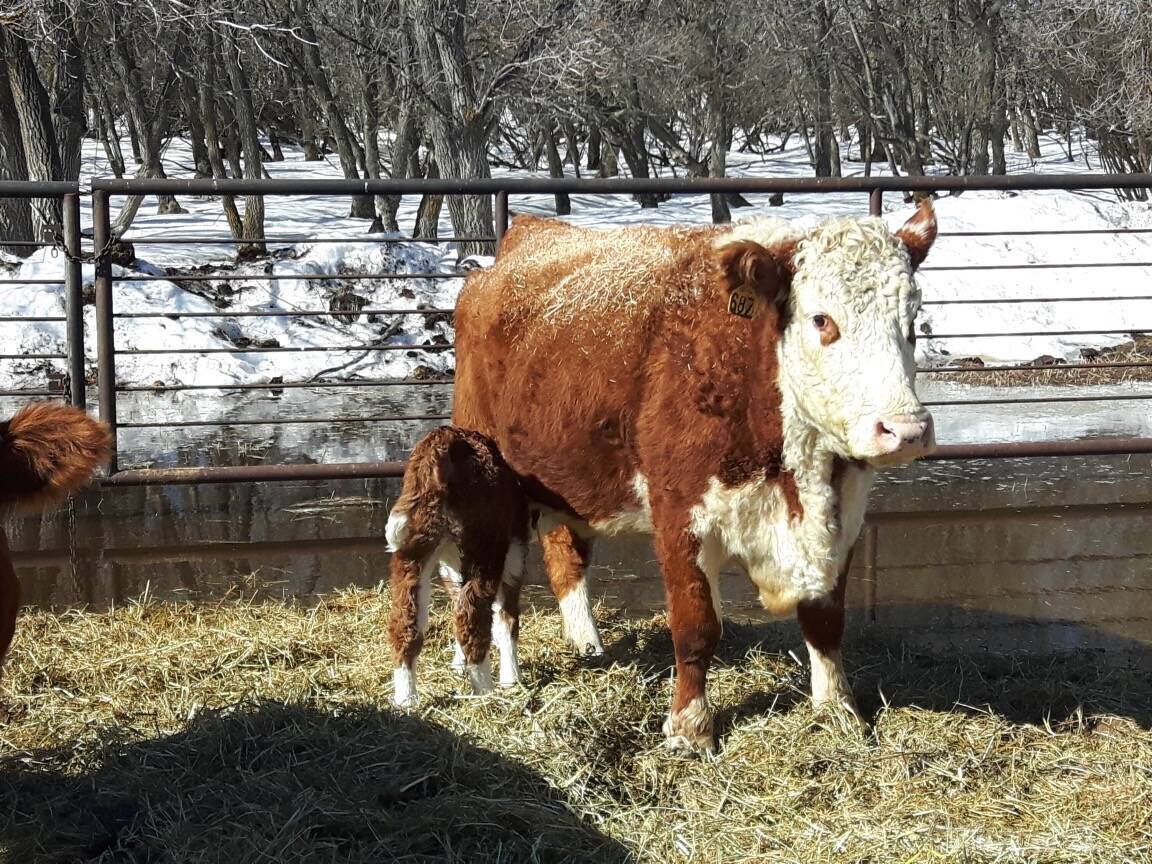
The maternal immunity question
Timing gets trickier when you factor in the immunity calves pick up from their mothers through colostrum.
How long those maternal antibodies keep calves protected is “a million-dollar question” that nobody can pin down for sure, Copland said. Even though people throw around rough estimates, immunity levels swing all over the map.
“You can guess eight weeks, but you can’t really say, because it all depends on the quality of the colostrum and the amount that the calf got,” she said.
Research shows why timing is tricky
Research backed by Alberta Beef Producers sheds some light on why getting vaccine timing right in young calves is so tough.
A 2010 study out of the University of Guelph, led by researcher Patricia Shewen, found that newborn calves depend heavily on antibodies soaked up from colostrum in those first few weeks, but those same antibodies can interfere with how well early vaccines take.
Calves come into the world with immune systems that aren’t fully operational yet. It takes several weeks before they can properly respond to standard vaccines. Between when maternal antibody protection drops off and when the calf’s own immune system gets up to speed, there’s a window where calves face higher disease risk.
Standard preweaning programs target core diseases
Most cow-calf operations aim to get at least basic protection in place before weaning hits. Vaccination programs typically start during other ranch work, including branding time, when cows get their pre-breeding shots, or around bull turnout, to cut down on extra handling.
The backbone of most preweaning programs covers clostridial diseases (blackleg and related bacteria) plus the main respiratory viruses that cause shipping fever and pneumonia, according to the Merck Veterinary Manual.
On the virus side, that usually means protecting against bovine respiratory syncytial virus, both types of bovine viral diarrhea, infectious bovine rhinotracheitis, and parainfluenza type-3. Some outfits also add bacterial pneumonia coverage for bugs like Mannheimia haemolytica and Pasteurella multocida, depending on what problems they’re seeing.
Feedlot protocols differ from cow-calf operations
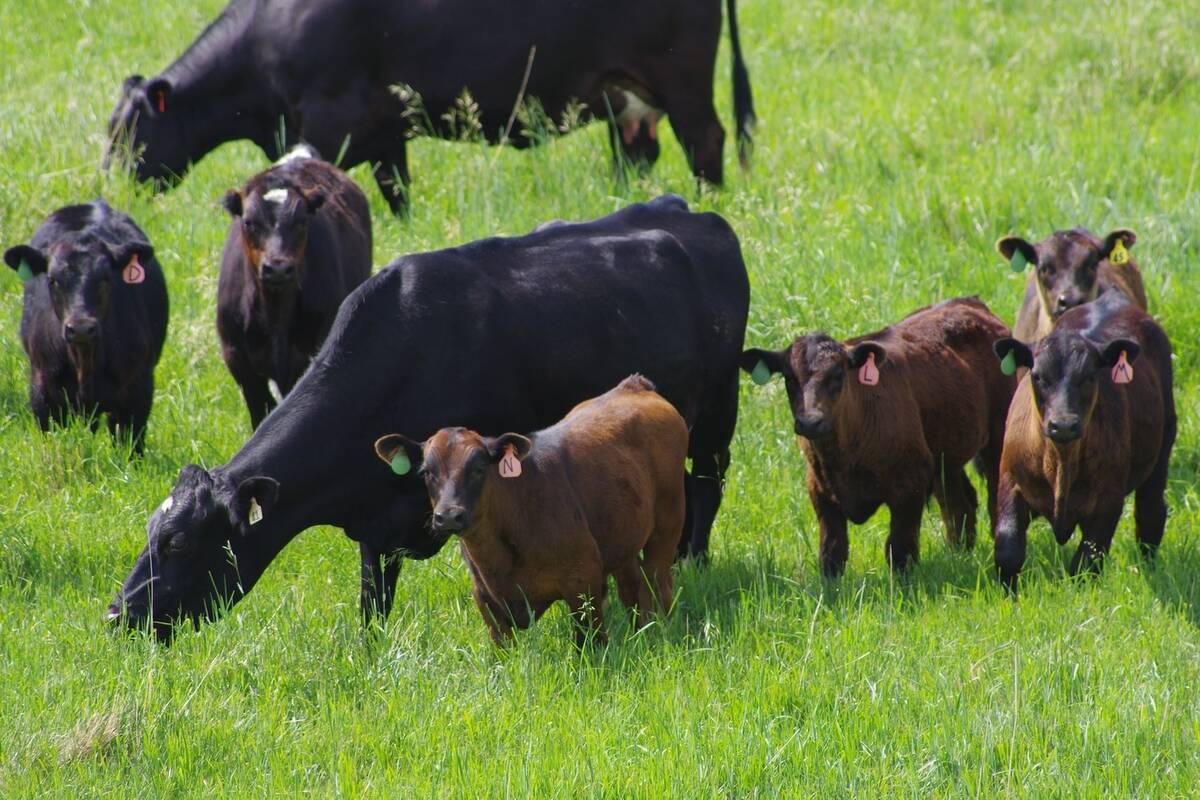
In feedlot settings, where calves are packed tighter and often mixed together, the usual game plan includes early respiratory vaccines, then clostridial (blackleg) vaccines at four to six weeks, with boosters at weaning, according to feedlot vaccination guidance published by the Alberta Veterinary Centre.
Calves in feedlots are usually split into groups based on whether their vaccination history is known or not, with killed vaccines often the safer bet when previous exposure is anybody’s guess.
Handling matters as much as what you buy
Vaccines only work if they’re stored and handled right, and that’s where plenty of programs fall apart, said the Merck Veterinary Manual.
Most vaccines need to stay refrigerated but not frozen, and they need to hold that temperature from the time you buy them until they go in the animal.
Common mistakes include hauling vaccines without a cooler, leaving them out during a long working day, or storing them in a fridge that doesn’t keep a steady temperature. If you’re keeping vaccines for any length of time, it’s worth checking your fridge actually holds the right temperature.
The manual also warns against reusing vaccine bottles once you’ve stuck a needle in them. Once that seal’s broken, bacteria can grow inside, and you risk making calves sick instead of protecting them. Use what you need that day and pitch the rest.
For vaccines that come as powder needing mixed with liquid, the manual recommends only mixing what you’ll use within an hour or so. Don’t mix up the whole day’s supply first thing in the morning. Be sure to give the bottle a gentle swirl before drawing up each dose to keep everything mixed evenly.
When it comes to whether you need to give a booster shot, that depends on what type of vaccine you’re using. Modified live virus vaccines usually build good immunity with one dose, while killed vaccines typically need that second shot a few weeks later to really take hold. Check the label or ask your vet which kind you’ve got.
Vaccines work best when cattle are in good shape to start with, the vaccine says. This includes proper nutrition, low stress, and good health.
Working with a local vet is non-negotiable
Both Copland and Dr. Troy Gowan, a veterinarian at the Minnedosa Veterinary Clinic in Manitoba, hammered home that vaccine calls should be made with a local vet who knows your operation.
“The best thing to do is work with your local veterinarian,” Gowan said.
Copland agreed, warning producers off chasing generalized advice instead of getting herd-specific direction.
“The number one thing is get a relationships with a local vet and use them,” she said. “And stay away from Facebook know-it-alls.”