

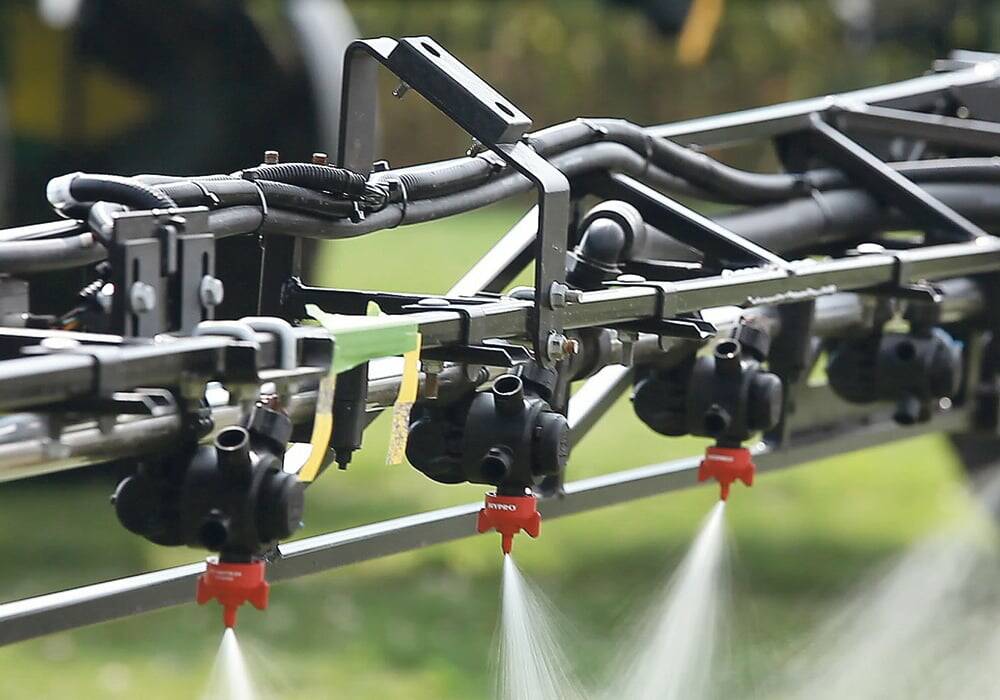
Farm chemical prices are on the rise due to conflict in the Middle East, says a major retailer of crop protection products.
“I would expect a full dollar per litre change on glyphosate,” said Breen Neeser, Canadian manager for Farmers Business Network (FBN). “That could happen any day now.”
FBN and many other crop input retailers source their products from China, which means looming supply shortages are also a concern.
Read Also
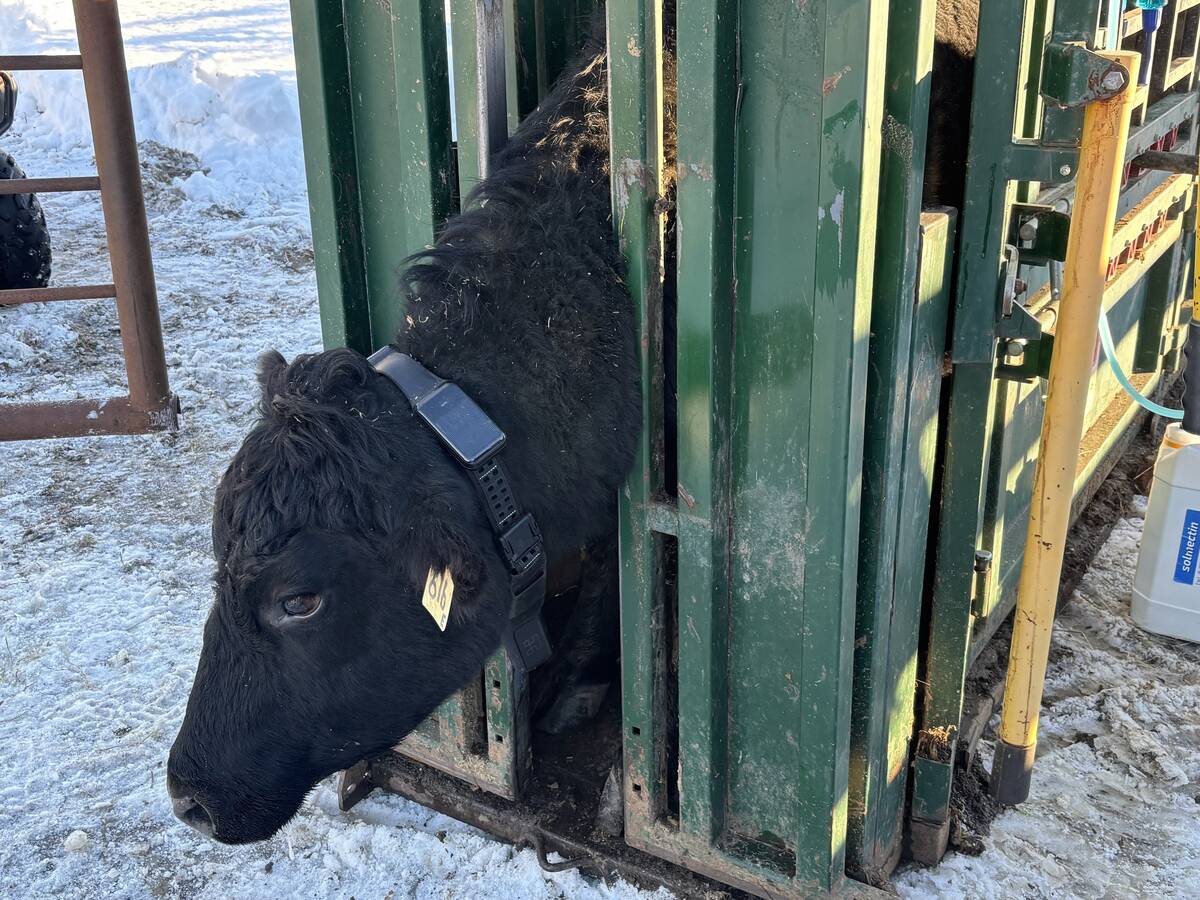
First Canadian trial of Halter virtual fencing system underway near Westlock
The New Zealand-designed system uses GPS collars and is now eligible for OFCAF funding in Canada.
“When you have a world event like this, that long supply chain becomes extremely difficult to manage,” he said. “I think it’s going to have a real impact on who has what to sell this spring.”
WHY IT MATTERS: Fertilizer and diesel prices are already sky high, so farmers don’t need another blow.
Bill Prybylski, president of the Agricultural Producers Association of Saskatchewan, said he is not surprised that agriculture chemical costs are rising, given what has already happened with fertilizer and diesel.
“Margins were thin already, and this is just going to exacerbate that situation,” he said. “There’s going to be a lot of red ink on a lot of farmers’ books come this fall.”
He described the situation as “death by a thousand cuts.”
Shipping delays compound the problem
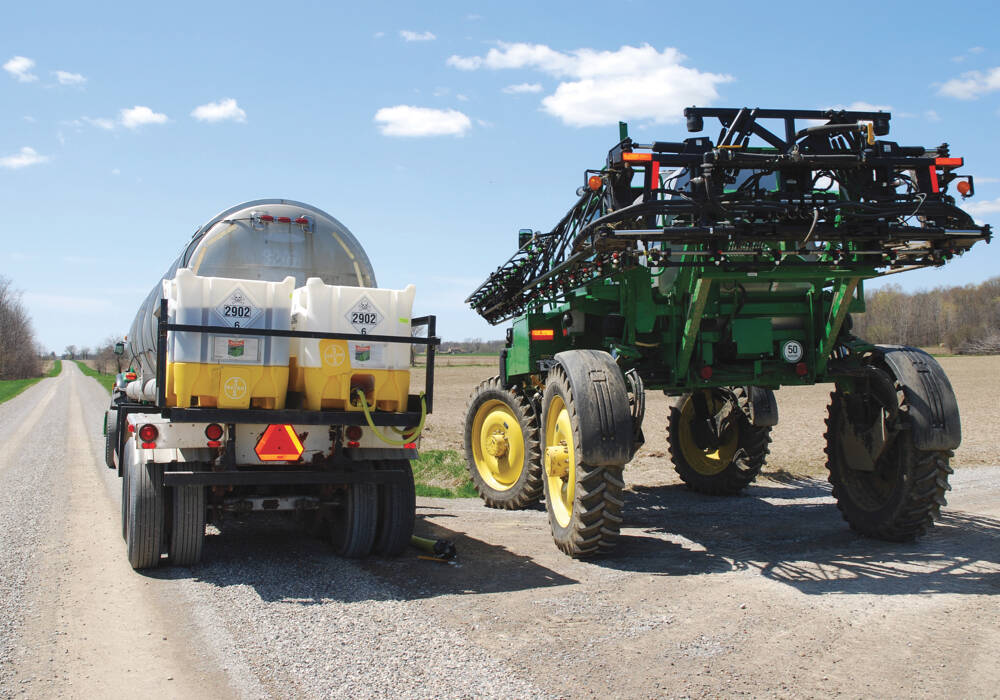
Neeser said there has also been a tightening in ocean vessel availability, leading to delays for product arriving at the Port of Vancouver. FBN was recently informed about its first major delay with a glufosinate shipment.
He said people need to “wake up” to the fact that product they thought would land in April or May could be delayed by a month or two.
“Some of it is going to miss the season,” said Neeser.
Why prices are climbing
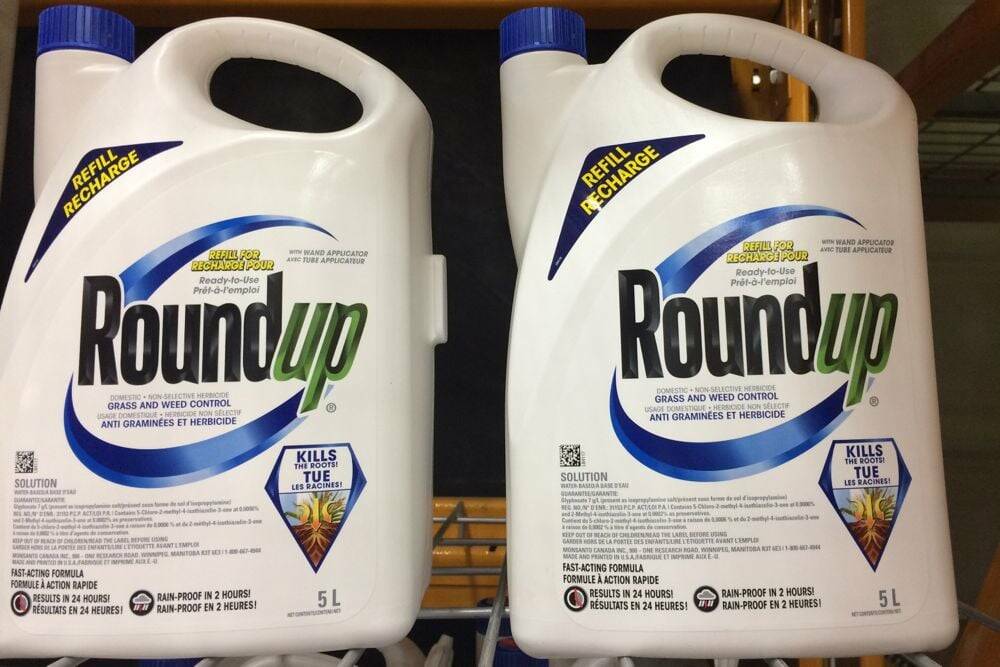
There are multiple reasons crop protection products are getting more expensive. Yellow phosphate, a key ingredient in manufacturing glyphosate and glufosinate, is suddenly in short supply and has become very pricey. Natural gas, another key input, is also rising.
Soaring diesel prices are driving up transportation costs at every stage — moving raw ingredients to manufacturing plants in China, shipping finished product to Chinese ports, crossing the ocean and then hauling it to distribution points across Western Canada.
Some retailers may have stockpiles of cheaper, older product and may be able to shield farmers from the price shock briefly. However, most suppliers bring in product as close to when it is needed as possible to minimize carrying costs, meaning the impact will be felt immediately.
Some farms on the financial edge
Neeser said some farmers in Western Canada have had tremendous financial success over the past decade with a combination of good grain prices, moisture levels and yields. But there are pockets where farmers have not been so fortunate, and he worries about their ability to withstand today’s harsh environment.
“I don’t mean to be doom and gloom on it, but the economic impact of this war is going to have related impacts on farm size and on who is farming and who isn’t and who can survive and who can’t,” he said.
Prybylski said it is “absolutely” correct that some farmers could be exiting the business this year.
“Margins were thin already, and this is just going to exacerbate that situation.”
Bill Prybylski
Agricultural Producers Association of Saskatchewan
“There are some producers that have been kind of just hanging on. This may be the death knell for them,” he said.
There has been improvement in grain prices lately, but some farmers won’t be able to participate in that rally because they had a small crop and had to liquidate it to pay last year’s bills. Now they are facing across-the-board hikes in input costs for the 2026 crop.
“This is just going to be an extra pressure on their margins that may very well be the deciding factor for some guys to pull the pin on their operations,” said Prybylski.
Diquat and glyphosate supply at risk
Neeser is particularly concerned about Diquat, a popular herbicide and desiccant.
“One of the plants that makes dibromide, which is the active ingredient in Diquat, has come under attack and as far as we know is not producing well,” he said.
There are not many other facilities in the world that make that active ingredient, so supply concerns for Diquat are significant.
Prybylski said products such as Diquat and glufosinate are used later in the growing season, so he is hopeful the supply chain issues will be resolved by then. However, he is very concerned about glyphosate costs and supply because that is a major tool farmers use in the spring.
He noted that some producers already have the majority of their farm chemicals on hand or in position in a warehouse, but others prefer to hold off on purchases until needed.
“Those guys may be rethinking their decisions this spring,” he said.
Neeser said growers might be forced to consider alternatives to traditional crop protection products, such as plant growth benefactors and nutritional supplements. Some farmers may even decide to forego certain products altogether because they can’t make the numbers work.