

Beginning in April, dairy producers will be facing payment changes as processors and industry move to meet consumer demands and trends.
The shift in focus to protein over butterfat increases the ratio paid for protein to 25 per cent of allocated funds, a 15 per cent increase, and decreases the ratio for butterfat to 70 per cent from 85 per cent.
“Always people think production is the driver. Forget about that,” Benoit Basillais, chief executive officer of the Canadian Dairy Commission, said at the 2025 Saskatchewan Dairy Conference in Saskatoon.
Read Also

Rodeo hall of fame inductee blowing out candles on celebrated cowboy life
Canadian Pro Rodeo Hall of Fame inductee’s family reflects on a fun and interesting southern Alberta life on and off the cowboy grounds.
“The consumer decides what you produce and not the other way around. And we always forget that.”
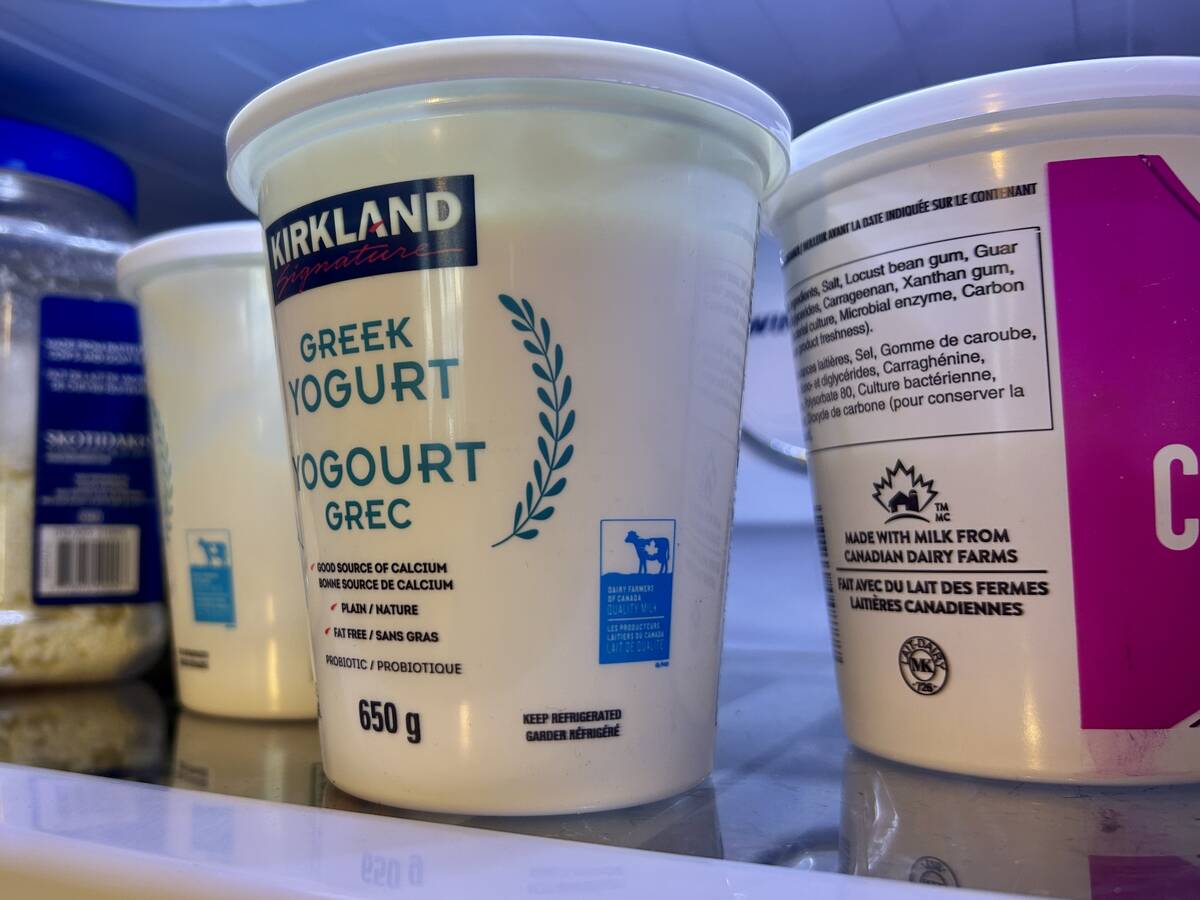
The CDC has noticed a continuing strength of demand, and even an increasing demand, as consumers seek choices for good protein. Yogurt and cheese are increasing in popularity because of their high protein content.
For 2024 and into 2025, every class of dairy product has grown, including cream, butter, yogurt and cheese.
Consumers are returning to higher fat milk and cream and adopting yogurt, which has brought big changes to the industry.
“This milk, which used to go to butterfat, is now going to yogurt. So the butter makers have to buy cream. They don’t have milk,” Basillais said.
“So big change in the industry in terms of who gets the milk, where gets the milk. So, if you wonder why some processors are worried, that’s a major impact for them. It impacts their relationship, their competitiveness.”
However, butterfat composition has increased, and the industry has been overproducing for three years. The CDC suspects stocks will continue to remain high in 2026.
Processors are continuing to buy, so there isn’t a worry there, but there’s a strong likelihood of dairy products going on sale.
The dairy industry has adjusted to meet the new consumer demands, but a number of concerns still remain.
Market access is at the top of the list, along with a weakening supply management system, the balance of the milk class system and Canadian milk exports, particularly with the Canada-U.S.-Mexico Agreement review soon underway.
“The U.S. has frequently portrayed Canada’s dairy system as part of an unfair trade landscape,” said David Wiens, president of Dairy Farmers of Canada.
“And in truth, the United States already enjoys substantial carefree access to our market under the current agreement.”
While the Canadian government has made promises to protect the system, the DFC continues to remind it of its promise to make no new trade concessions.
Despite concerns that negotiations may chip away at Canada’s food sovereignty and security, there has been a silver lining in the trade battle with the United States: Canadians are being adamant in their choice of domestically produced food.
“Canadians care about buying homegrown foods, but they also want assurances that what they buy is produced with animal care, food safety and quality in mind,” Wiens said.
The DFC has also been advocating and working on interprovincial trade and finding ways to meet consumer environmental values.